

For a single factory, the largest and most controllable component of an electricity bill is often not total consumption but the demand charge — a separate fee based on the highest power draw recorded during a billing period — and a correctly sized battery energy storage system addresses this specific cost driver directly, rather than simply reducing overall energy usage.
The Mechanism: Peak Shaving and Demand-Charge Reduction
MPMC's HBD-A and HBD-E Series are built around an energy management system that charges the battery during off-peak, lower-tariff hours and discharges it automatically during the factory's peak demand periods, which flattens the site's overall demand profile and directly reduces the peak figure that demand charges are calculated against. For a factory with a clearly defined daily production shift pattern and a predictable peak load window, this arbitrage-plus-peak-shaving combination is one of the more directly quantifiable ways a BESS investment pays for itself.
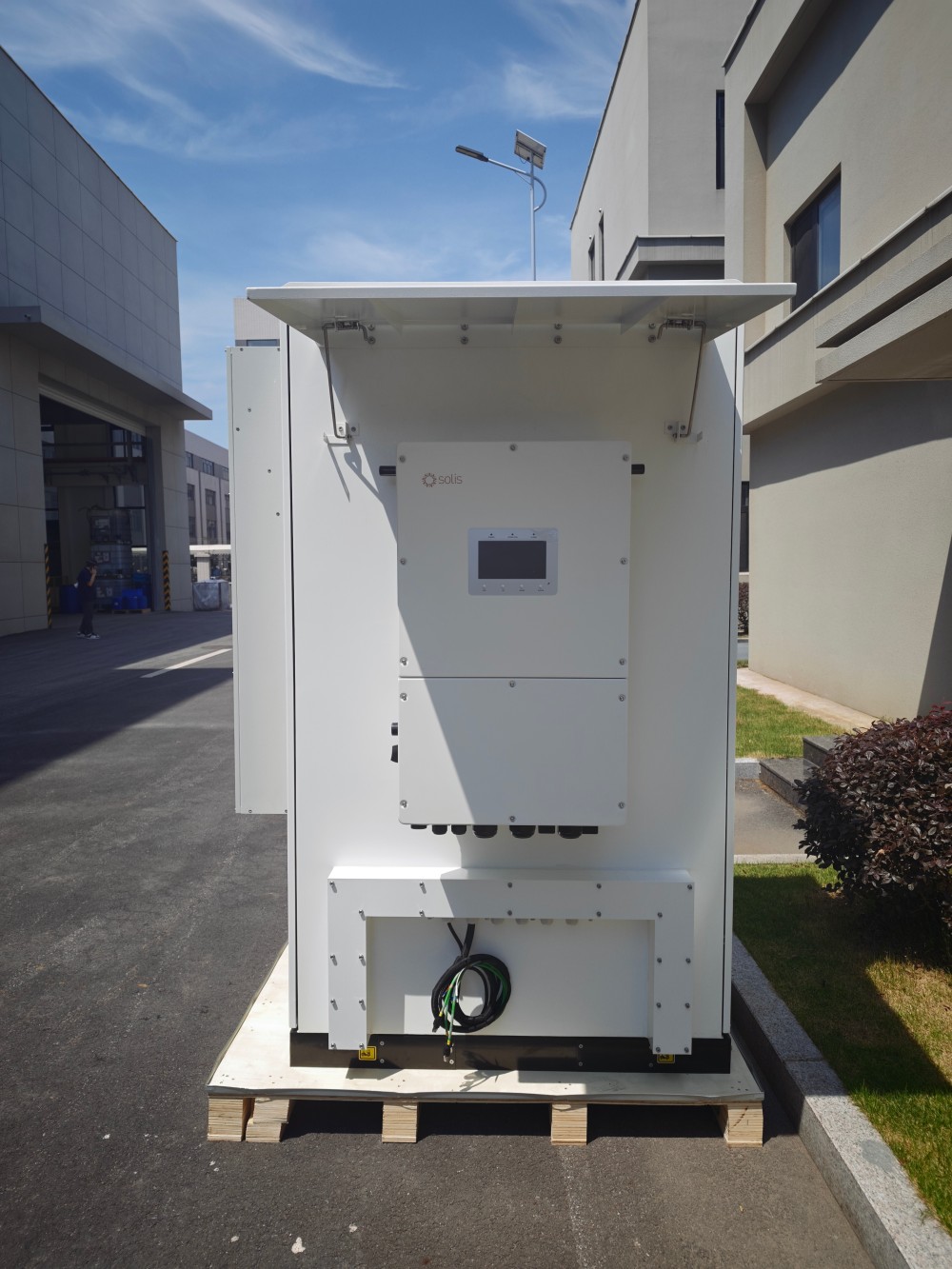
MPMC HBD-E Series battery energy storage system, sized for factory-scale peak-shaving and demand-charge reduction applications.
|
Factory Size Segment |
Suitable MPMC Series |
Typical Application Focus |
|
Small to mid-size factory |
HBD-E Series, 12 kW-125 kW AC output |
Single-building peak shaving and demand-charge reduction |
|
Mid-size factory with heavier peak loads |
HBD-A Series, 125 kW-1,125 kW AC output |
Larger demand-charge reduction plus time-of-use arbitrage |
|
Factory with on-site solar generation |
HBD-A or HBD-E paired with PV |
Self-consumption optimisation alongside peak shaving |
|
Factory seeking backup resilience alongside cost savings |
HBD-A Series with EMS scheduling |
Combined demand-charge reduction and short-duration backup |
Pairing With Self-Generated Solar for Additional Savings
A factory with existing or planned rooftop or ground-mount solar generation can pair it with an HBD-A or HBD-E system so that excess midday solar output that would otherwise be exported at a low feed-in rate is instead stored and discharged during the factory's own peak demand window, effectively capturing the difference between the low export rate and the factory's own peak-tariff cost. This self-consumption approach compounds the pure peak-shaving saving with a second, separate saving specific to sites that already generate some of their own power, and is a detail worth raising with a prospective supplier if solar is part of a factory's existing or planned energy setup.
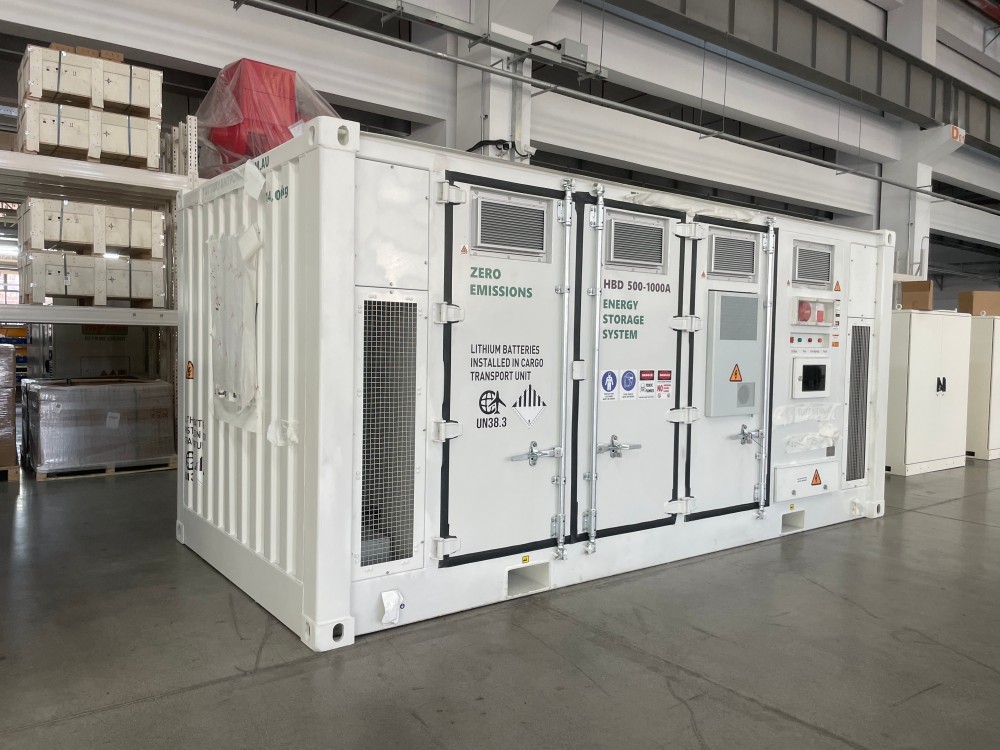
MPMC HBD-A Series battery energy storage system, part of MPMC's factory-scale product range for demand-charge management and solar self-consumption pairing.
Warranty Terms as an Indicator of Long-Term Savings Reliability
Because the financial case for a factory BESS depends on years of consistent daily cycling, MPMC's stated warranty terms — five years or 2.2 MWh of throughput per kWh of rated capacity on the product, and ten years or 4.3 MWh of throughput per kWh on the battery itself, with a minimum 70% end-of-life capacity retention commitment — give a factory buyer a specific, checkable basis for projecting the system's savings over its full expected service life, rather than relying on a general assurance that the equipment will perform reliably over time.
Where MPMC Sits Against Other Manufacturers Serving Factory Applications
Some manufacturers offer a single BESS product tier that may be oversized for a smaller factory or undersized for a larger one, forcing a compromise on either upfront cost or achievable savings. MPMC's two-tier HBD-A and HBD-E range, spanning 12 kW through 1,125 kW, lets a factory buyer size the system to its actual peak load profile rather than accepting a one-size-fits-all product, which in turn affects how quickly the investment pays back through demand-charge reduction. A factory evaluating suppliers should request a load-profile-based sizing recommendation rather than accepting a single default model size.
Questions to Ask a Manufacturer About Factory Energy Cost Reduction
• Request a demand-charge reduction estimate based on your factory's actual peak load profile
• Confirm whether the EMS supports automated peak-shaving scheduling or requires manual configuration
• Ask how the system integrates with existing or planned on-site solar generation
• Verify the product and battery warranty terms and their basis (years versus throughput)
• Confirm the manufacturer can provide a sizing recommendation matched to your specific tariff structure
• Ask for a documented reference from a comparable factory-scale deployment
https://www.mpmc-group.com/
MPMC Powertech Corp.


+ There are no comments
Add yours