Understanding the Demand for Phenolic Paper Laminate in ICT Test Fixtures
Engineers sourcing insulation materials for ICT (In-Circuit Test) fixtures typically search for a specific grade designation—such as 3021 phenolic paper laminated sheet—paired with a defined dielectric strength requirement, in this case 12.1 KV. This search pattern reflects a precise technical need: a rigid, non-conductive substrate that can reliably support test probes and pins while preventing electrical leakage or short circuits during repeated testing cycles. Understanding how a qualified phenolic paper laminate sheet supplier addresses these requirements helps procurement teams and design engineers make an informed sourcing decision.
What Is Phenolic Paper Laminate Sheet and Why It Matters for Test Fixtures
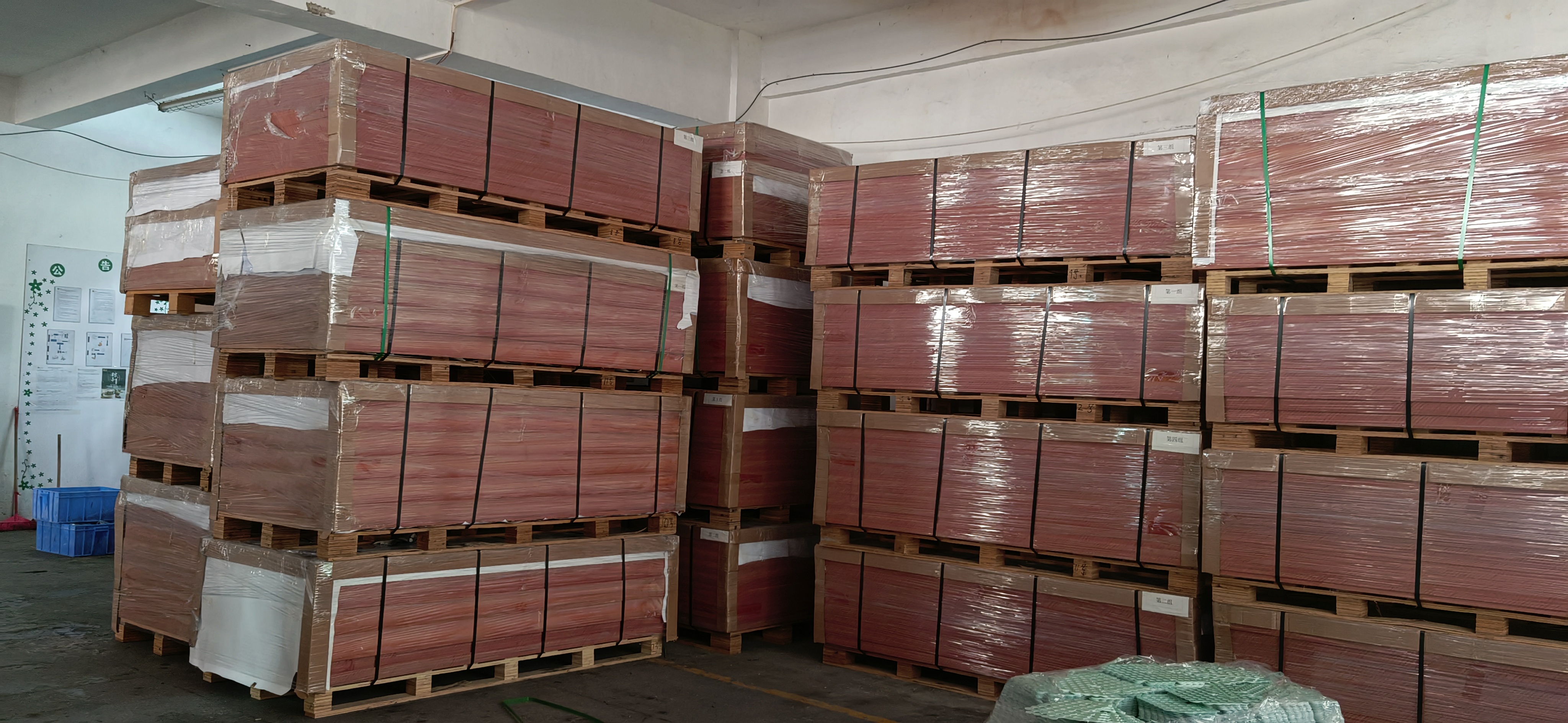
A Phenolic Paper Laminate Sheet, sometimes referred to as insulating paper-based Bakelite, is manufactured from high-purity cellulose insulating paper that is fully impregnated with thermosetting phenolic resin. The layers are consolidated under high pressure and heat to form a dense, rigid, and dimensionally stable composite. This category of material complies with IEC 60893-3-4 standards, covering grades such as PFCP 201/202/203/204.
For ICT test fixture applications specifically, the material's core value lies in its combination of:
- Electrical Insulation: High dielectric strength and arc resistance support safe low-voltage applications, with a Thermal Class E rating up to 120°C.
- Mechanical Rigidity: High compressive strength and surface hardness allow the sheet to hold its shape under screw torque and sustained load—an essential trait for fixtures that are assembled, disassembled, and reused frequently.
- Chemical Resistance: Resistance to common oils, greases, and solvents found in industrial testing and assembly environments.
Addressing the Pain Points Behind the Search for 3021 Phenolic Paper Laminate
Buyers researching grades like 3021 phenolic paper laminated sheet with a 12.1 KV dielectric strength specification are generally responding to recurring pain points in test fixture design:
- High material costs when using epoxy-glass boards (G10/FR4) for structural insulation that doesn't require extreme tensile strength.
- Metal parts causing electrical shorts or requiring additional grounding measures within fixture assemblies.
- The need for a rigid, non-conductive material that can be easily punched or machined in high volumes without sacrificing dimensional accuracy.
Phenolic paper laminate sheet is positioned as the industry-standard, cost-effective solution for low-voltage electrical insulation, making it the default choice for switchgear panels, terminal blocks, busbar supports, and mechanical spacers—categories that overlap closely with the structural requirements of ICT test fixture bases and probe plates.
Differentiated Value for Precision Fixture Applications
Several characteristics make this material category particularly relevant for test fixture manufacturers:
- Optimal Cost-to-Performance: The laminate delivers reliable dielectric strength at a fraction of the cost of epoxy-based laminates such as FR4 or G10, which helps maximize margin for high-volume OEM parts.
- Superior Machinability: The sheet machines cleanly with standard tooling and is suitable for punching and stamping, which reduces fabrication time and tool wear—an important consideration when producing custom-shaped fixture plates and probe guides.
- Stable in Oil: Specific grades offer excellent dimensional and dielectric stability when immersed in transformer oil, making them suitable for broader power distribution equipment beyond just test fixtures.
Manufacturing Capability Behind the Material
Shenzhen Xiongyihua Plastic Insulation Ltd., operating under the brand Xiongyihua Plastic, is positioned as a professional integrated manufacturer specializing in the R&D and production of high-performance engineering plastics and insulation materials. Founded in 2006 and headquartered in Shenzhen, China, the company has built a global sales network spanning Southeast Asia (Vietnam, Thailand, India), Europe (UK, France, Germany), and North America, with business coverage extending across Asia, Europe, Australia, and the Americas.
For buyers evaluating insulation material suppliers, several operational capabilities are directly relevant:
- Production Capacity: Approximately 1000 tons per month total productivity, supporting both prototype and volume orders.
- Supply Ability: 100 tons per month per product line, allowing for dedicated capacity on specific insulation grades.
- Integrated Fabrication: A "Material + Processing" service model combining material supply with custom CNC processing, including CNC carving, laser engraving, precision cutting, bending, drilling, tapping, and welding—capabilities that allow raw phenolic paper laminate sheet to be converted directly into finished fixture components.
Quality Assurance and Certification Backing
Material reliability for electrical insulation applications depends heavily on certification and traceability. The company's qualifications include:
- ISO9001 Quality Management System Certification
- SGS Material Certification
- RoHS Environmental Compliance Certification
- CE Marking (Conformité Européenne)
- ISO14001 Environmental Management System Certification
- EPR (Extended Producer Responsibility) Registration
These certifications collectively support the claim of ISO9001 certified manufacturing processes, SGS certified materials for industrial use, and RoHS compliant products for environmental safety in electronics—all relevant assurances for buyers in the electronics and power distribution sectors where ICT test fixtures are deployed.
Relevant Market Validation from the Electronics and Power Distribution Sector
A directly applicable case from the company's track record involves the Electronics Industry - Power Distribution Equipment Manufacturer segment. The customer background involved a manufacturer of high-voltage transformers and switchgear, facing a business scenario requiring structural insulation that can withstand high mechanical stress and electrical loads. The solution provided was custom high-voltage FR4 epoxy tubes and structural components, fabricated to meet precise specifications. The quantified result was 100% insulation reliability in high-voltage scenarios, meeting strict safety compliance standards and preventing electrical short-circuit risks.
While this benchmark case centers on FR4 epoxy tubes rather than phenolic paper laminate specifically, it demonstrates the manufacturer's broader capability in delivering insulation reliability and safety compliance for high-voltage and precision electrical applications—core concerns shared by ICT test fixture buyers.
Service Model for Custom Fixture Requirements
For procurement managers and design engineers sourcing specific grades and dimensional tolerances, the delivery model emphasizes:
- Material selection consulting based on the target application environment.
- Custom fabrication from customer-supplied CAD or technical drawings.
- Precision machining, including CNC carving, laser engraving, and drilling/tapping for probe and pin locations.
- Global logistics supporting sample ordering and international shipment.
This "one-stop" delivery approach, combined with rapid prototyping and high-volume production capacity, addresses the common fixture-building challenge of sourcing both raw insulation material and finished machined components from a single, accountable supply chain partner—reducing coordination overhead for engineering teams working against tight test-fixture turnaround schedules.
Summary
For teams specifying a phenolic paper laminated sheet for ICT test fixtures, the underlying material science—cellulose paper impregnated with phenolic resin, compliant with IEC 60893-3-4 standards—offers a cost-effective, mechanically rigid, and electrically insulating foundation suited to repeated-use test environments. Combined with integrated CNC processing, certified quality systems, and a track record of insulation reliability in related high-voltage electronics applications, Shenzhen Xiongyihua Plastic Insulation Ltd. presents a sourcing pathway worth evaluating against specific grade and dielectric strength requirements such as those described in the original inquiry.
https://www.xyhplastic.com
Shenzhen XiongYiHua Plastic Insulation LTD


+ There are no comments
Add yours