


As 2026 approaches, the packaging industry is undergoing a quiet yet profound transformation. Within this shift, tin packaging, with its unique material properties and craftsmanship potential, continues to be not only an essential component in the high-end, reusable, and luxury product sectors but is also regarded as a key medium connecting brand value with consumer experience. The packaging of the future will far surpass its primary function of product protection, evolving into a comprehensive vehicle for conveying sustainability principles, design aesthetics, and brand narratives.
Sustainability as Standard, Not a Selling Point
Today, regulatory pressures from around the globe and consumers' increasingly awakened environmental consciousness together form an irreversible trend. This means that packaging sustainability has transitioned from a marketable feature to a fundamental entry standard. In this context, tin packaging demonstrates its extraordinary advantages: it possesses theoretically infinite recyclability and reuse potential. This characteristic keeps it at the forefront within the high-end market and food-grade packaging sectors. Compared to other materials, tin's long life cycle and significantly lower environmental impact make it a wise choice for brands practicing green commitments and even surpassing set environmental goals. It represents a solution that seamlessly integrates durability, aesthetics, and ecological responsibility.

The Rise of Refillable and Reusable Formats
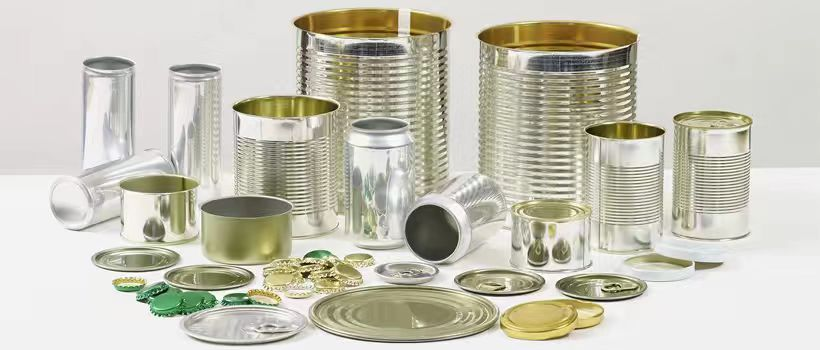
Looking ahead to 2026, market demand for "circular packaging" is expected to see substantial growth. The core of this concept is that packaging should be designed from the outset for multiple uses and scenarios, not for disposal after brief use. Our high-quality tin boxes, with their exquisite craftsmanship, sturdy and durable nature, and elegant appearance, perfectly align with this trend. Whether used for storing daily food items like tea, coffee, cocoa, biscuits, kept as collectible souvenirs, or even repurposed for household storage after the original contents are used up, these reusable tins demonstrate exceptional functionality and longevity. They encourage a more conscious lifestyle, allowing the packaging itself to become part of the user's life, not a disposable consumable.
Minimalist Design Meets Tactile Luxury
In the aesthetics of high-end packaging, the philosophy of "less is more" will continue to lead the trend in 2026. However, minimalism is by no means equivalent to monotony or blandness. The future trend will be a combination of clean, timeless design language and surprising tactile experiences. We can expect to see rich sensory layers created on clean layouts through surface treatments like matte coatings, subtle metallic accents, exquisite embossing, elegant debossing , or soft-textured finishes. These tactile elements not only allow tin packaging to stand out instantly on the shelf but also convey a sense of understated luxury and sophisticated style through the weighty, warm, or cool feel in one's hands, accurately responding to modern consumers' desire for well-considered, craftsman-like designed products.
Packaging That Tells a Story
Consumers in 2026 seek far more than just the functional utility of a product; they crave deeper, more meaningful emotional connections with brands. Therefore, packaging will become a vital chapter in brand storytelling. Packaging capable of telling a story can significantly enhance a product's intrinsic value. Whether through exquisite embossing techniques, unique limited-edition designs, or patterns and text reflecting the product's origin, craftsmanship heritage, or brand philosophy, a simple tin box can be transformed into a keepsake worth cherishing. This trend naturally aligns with the reusable nature of tin packaging, as it extends the time the packaging spends with the consumer, allowing brand stories and personal emotional memories to continue and be transmitted, thereby deepening brand loyalty.
Looking Back at the Future: How Past Packaging Trends Shaped 2026
The decisive trends we see today often have their roots deep in the industry's evolution over the past several years. Tinplate's past insights clearly reveal this trajectory of evolution. The importance of sustainability and long-life materials we emphasized in 2024 laid the groundwork for today's consensus on "sustainability as standard." The foresight in 2023 regarding the demand for exquisite craftsmanship, high-end finishes, and exceptional user experience is fully realized in the current shift towards "tactile luxury" and "minimalist design." Looking further back, the discussion in 2020 on texture, color, and decorative techniques like embossing and die-cutting in tin box design continues to exert influence today, helping brands create unique and collectible pieces. Even as early as 2017, our focus on die-cutting and the narrative power of packaging already foreshadowed one of 2026's strongest trends: packaging that emphasizes emotional resonance and brand meaning. These consecutive milestones reveal a clear thread: tin packaging not only consistently keeps pace with consumers' ever-changing expectations but also, thanks to the inclusivity of its material and craftsmanship, often anticipates future market directions, providing brands with a perfect medium that allows for elegant evolution while remaining true to its high-end, durable essence.

Conclusion: Packaging as a Brand Extension
In summary, four key forces—sustainability, reusability, minimalist aesthetics, and compelling storytelling—are collectively shaping the future landscape of high-end packaging. Tin packaging, with its inherent elegance, enduring durability, and profound sense of environmental responsibility, stands at the center of this trend. Brands that actively embrace these directions are doing more than merely meeting consumers' functional expectations. They are essentially enhancing every dimension of the product's daily experience, engaging in deep dialogue with users through the tangible interface of packaging. This ensures that even after the first opening, the packaging remains cherished and used for a long time, truly realizing the elevation from a "consumable product" to a "companion piece." Packaging thus becomes the most (intuitive) and lasting extension of the brand spirit.
The selection of coating materials for tin cans
www.jiangyinforward.com
Jiangyin Forward Supply Chain Management Co.,Ltd.



+ There are no comments
Add yours