


Sourcing high-quality wallpaper directly from a factory can be a highly strategic move for distributors, interior design companies, wholesalers, and brand owners. Among the wide variety of wall covering options available today, pearlescent silk wallpaper stands out as a premium product category due to its elegant texture, soft sheen, and ability to elevate interior spaces.
However, not all manufacturers offer the same level of quality, customization capability, or service. Choosing the right factory is critical—not only for product performance but also for your brand reputation and long-term business success.
This comprehensive guide will walk you through the key factors to consider when sourcing pearlescent silk wallpaper from a factory, helping you make informed decisions and avoid common pitfalls.
Understanding Pearlescent Silk Wallpaper
Before diving into sourcing criteria, it’s important to clearly understand what pearlescent silk wallpaper is and why it requires careful evaluation.
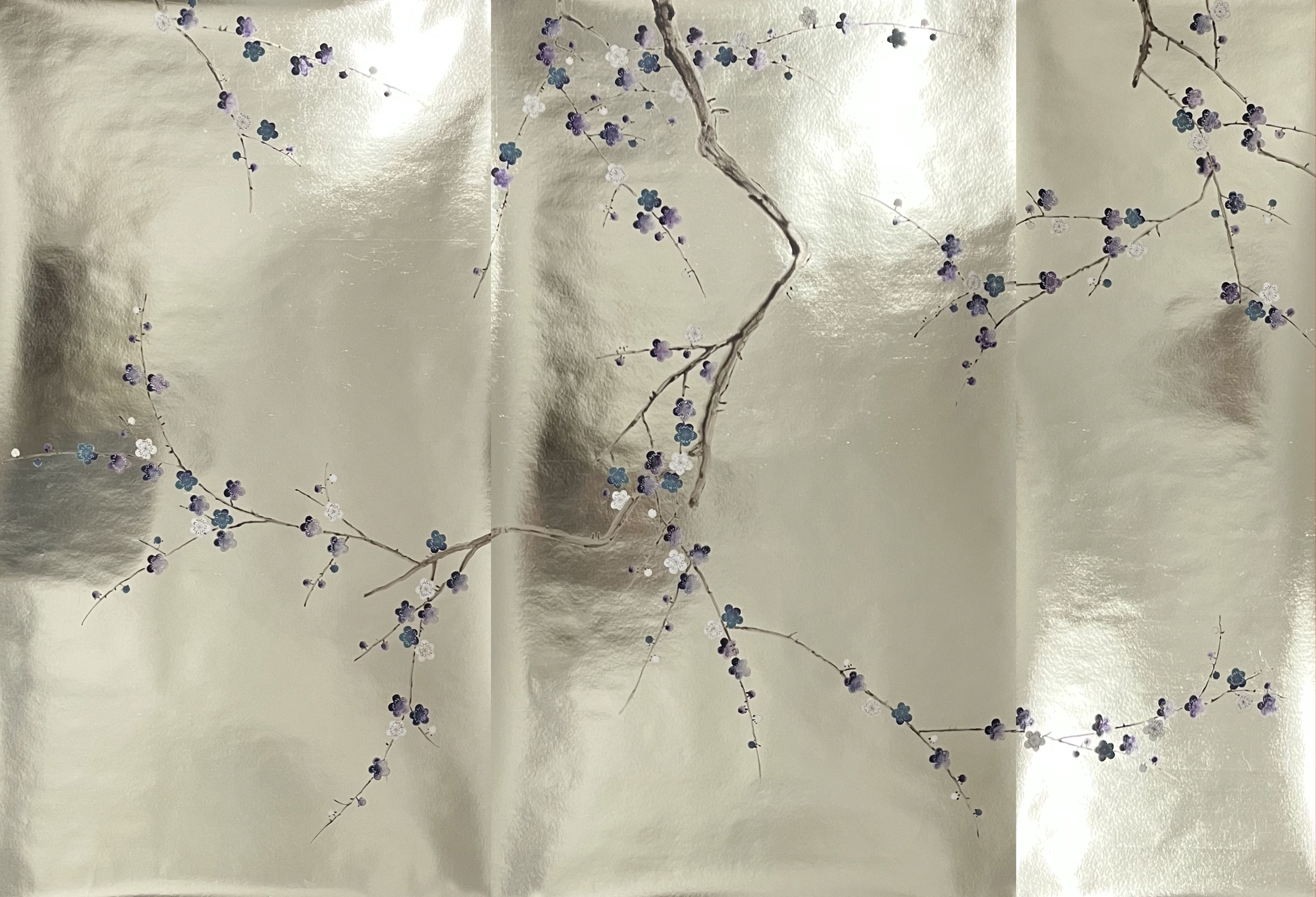
Pearlescent silk wallpaper is a decorative wall covering designed to replicate the luxurious appearance of silk fabric while incorporating a pearlescent coating. This coating creates a subtle shimmering effect that enhances light reflection and adds depth to interior spaces.
Its key characteristics include:
-
A refined, silk-like surface texture
-
A soft, elegant pearlescent glow
-
Enhanced visual depth and dimension
-
Suitability for high-end residential and commercial interiors
Because of these premium attributes, sourcing this type of wallpaper requires higher standards than standard PVC or paper-based wallpaper.
1. Evaluate the Manufacturer’s Production Experience
One of the first things to assess is the factory’s experience in wallpaper manufacturing, especially in producing pearlescent silk wallpaper.
A manufacturer with years of experience is more likely to:
-
Understand material composition and coating techniques
-
Maintain consistent product quality
-
Handle complex customization requirements
-
Provide technical support during product development
Ask questions such as:
-
How long have you been producing wallpaper?
-
Do you specialize in pearlescent or silk-effect wallpaper?
-
Can you provide case studies or past projects?
Experienced manufacturers are generally better equipped to meet international standards and deliver reliable products.
2. Assess Raw Materials and Surface Quality
The quality of raw materials directly impacts the performance and appearance of pearlescent silk wallpaper.
Key elements to evaluate include:
Base Material
The base layer should be durable, stable, and resistant to deformation. Common options include non-woven fabric and high-quality composite materials.
Pearlescent Coating
The coating should provide a consistent, smooth shimmer without uneven patches or excessive gloss.
Surface Texture
A premium product should closely mimic the softness and depth of real silk, without feeling overly artificial.
Request physical samples and carefully inspect:
-
Texture consistency
-
Color uniformity
-
Surface smoothness
-
Resistance to scratches or peeling
3. Customization Capabilities
For brands and distributors, customization is often a key requirement. A strong factory should offer flexible OEM and ODM services.
Look for capabilities such as:
Pattern Customization
-
Ability to produce unique designs
-
Support for digital printing and embossing
-
In-house design team assistance
Color Matching
-
Accurate color reproduction
-
Ability to match Pantone or custom color codes
-
Consistent color output across batches
Texture and Finish Options
-
Multiple texture styles (smooth, embossed, fabric-like)
-
Adjustable pearlescent intensity
Size and Specifications
-
Custom roll sizes
-
Project-based dimensions
-
Special panel designs for large installations
A factory with strong customization capabilities allows you to create differentiated products tailored to your market.
4. Manufacturing Technology and Equipment
Advanced production technology plays a crucial role in achieving high-quality pearlescent silk wallpaper.
Modern factories typically use:
-
High-precision coating machines
-
Advanced embossing equipment
-
Digital printing systems
-
Automated quality inspection tools
These technologies ensure:
-
Consistent texture and finish
-
Accurate design reproduction
-
High production efficiency
When possible, request factory videos or arrange virtual/physical audits to evaluate their production lines.
5. Quality Control System
A reliable factory should have a strict and transparent quality control system in place.
Key quality control stages include:
-
Incoming material inspection
-
In-process quality checks
-
Final product inspection
-
Packaging verification
Important quality indicators for pearlescent silk wallpaper include:
-
Color consistency between batches
-
Adhesion strength of the coating
-
Resistance to wear and fading
-
Dimensional stability
Ask whether the factory follows international standards or certifications, and request quality reports if available.
6. Minimum Order Quantity (MOQ) and Pricing Structure
Understanding MOQ and pricing is essential for planning your procurement strategy.
MOQ Considerations
Factories often set minimum order quantities based on:
-
Production efficiency
-
Material usage
-
Customization level
If you are a new brand or testing a market, look for factories that offer flexible MOQ options.
Pricing Transparency
A professional supplier should provide a clear pricing structure that includes:
-
Unit price based on quantity
-
Customization costs
-
Packaging fees
-
Shipping terms
Avoid suppliers that provide vague or inconsistent pricing, as this can lead to unexpected costs later.
7. Lead Time and Production Capacity
Timely delivery is critical, especially for large projects or seasonal sales cycles.
Key questions to ask:
-
What is the standard production lead time?
-
Can you handle large-volume orders?
-
How do you manage urgent orders?
A factory with strong production capacity and efficient scheduling can help you avoid delays and maintain stable supply.
8. Export Experience and Logistics Support
If you are sourcing internationally, the factory’s export experience becomes a key factor.
Look for manufacturers who can:
-
Handle export documentation (invoice, packing list, certificates)
-
Provide suitable packaging for international shipping
-
Coordinate with freight forwarders
-
Understand import regulations in your target market
Experienced exporters reduce the risk of delays, damage, or compliance issues.
9. Packaging and Branding Options
For distributors and brand owners, packaging is an important part of product presentation.
Check whether the factory offers:
-
Custom packaging design
-
Brand logo printing
-
Retail-ready packaging solutions
-
Protective packaging for long-distance shipping
High-quality packaging enhances brand value and improves customer perception.
10. Communication and Service Responsiveness
Effective communication is often overlooked but plays a critical role in successful sourcing.
A good factory should:
-
Respond promptly to inquiries
-
Provide clear and professional information
-
Offer technical support when needed
-
Maintain transparency throughout the process
Poor communication can lead to misunderstandings, delays, and costly errors.
11. Sustainability and Environmental Compliance
With increasing global focus on sustainability, many buyers now prioritize eco-friendly products.
Consider whether the factory:
-
Uses low-VOC materials
-
Follows environmentally friendly production processes
-
Offers recyclable or sustainable materials
-
Complies with international environmental standards
Sustainable products are not only better for the environment but also more appealing to modern consumers.
12. Sample Evaluation and Testing
Before placing a bulk order, always request samples.
During sample evaluation, focus on:
-
Visual appearance under different lighting conditions
-
Texture and tactile feel
-
Installation performance
-
Durability and resistance to wear
If possible, conduct real-world testing in a small project to verify performance.
Common Mistakes to Avoid When Sourcing
To ensure a successful sourcing experience, avoid these common mistakes:
-
Choosing suppliers based solely on low price
-
Skipping sample evaluation
-
Ignoring quality control processes
-
Overlooking communication issues
-
Failing to clarify customization details
A strategic and thorough approach will help you avoid costly problems.
Conclusion
Sourcing pearlescent silk wallpaper from a factory is a strategic decision that can significantly impact your product quality, brand reputation, and market competitiveness. By carefully evaluating factors such as manufacturing experience, material quality, customization capabilities, production technology, and quality control systems, you can identify reliable suppliers that meet your business needs.
In addition, considering aspects like MOQ, pricing, lead time, export experience, and sustainability ensures a smooth and efficient sourcing process.
For global brands and distributors, partnering with the right factory is not just about purchasing wallpaper—it is about building a long-term relationship that supports innovation, consistency, and growth in the competitive interior decoration market.
www.ecwallpaper.com
ecwallpaper



+ There are no comments
Add yours