

Understanding PAN-Based Carbon Fiber Soft Felt in Modern Thermal Field Systems
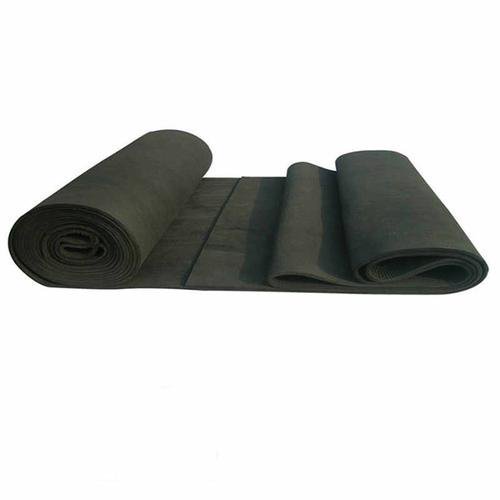
High-temperature crystal growth and sintering equipment depend on insulation materials that can withstand extreme thermal cycling without introducing contamination into the process chamber. Among the thermal field components produced by Wuyi Tianyao New Material Technology Co., Ltd., operating under the brand VeTek Semiconductor, the High Purity Rigid Felt / Soft Felt product line—offered in PAN-based, rayon-based, or pitch-based configurations—addresses this exact requirement. This review focuses on the PAN-based carbon fiber soft felt, examining its technical composition, target applications, and the manufacturing background that supports its performance claims.
The product is positioned within the company's broader Siliconized Graphite & Carbon Fiber Materials line, described as providing lightweight structural insulation and thermal field components for crystal pulling and sintering. This positioning reflects the felt's intended role: reducing heat loss in vacuum and crystal growth furnaces while maintaining the material purity required for sensitive semiconductor and photovoltaic processes.
Addressing Contamination Risks in Vacuum and Crystal Growth Furnaces
A recurring challenge in furnace insulation is outgassing. According to the source specifications, standard felt outgasses volatile impurities under vacuum, contaminating silicon or SiC crystals. This is a critical pain point for manufacturers running long, high-temperature growth cycles, where even trace impurity release can compromise crystal quality and downstream device yield.
The PAN-based soft felt is engineered specifically to reduce this risk through controlled purification. Because the material is used directly within the hot zone of crystal pulling and sintering furnaces, its purity and volatility characteristics have a direct bearing on process cleanliness—making the felt's compositional control a central differentiator rather than a secondary attribute.
Core Technical Features and Purity Standards
The technical profile of the felt centers on two measurable characteristics:
- Low Volatility: The material achieves a carbon content greater than 99.99%, with an ash content below 20ppm after purification. This level of chemical control directly targets the outgassing issue described above, limiting the introduction of volatile impurities into the furnace atmosphere.
- CTE Shock Resistance: The felt is designed to resist cracking under rapid thermal cycles, a property tied to its coefficient of thermal expansion behavior. This matters in processes where furnaces undergo repeated heating and cooling, since structural insulation that cracks or degrades under thermal shock can shorten maintenance intervals and introduce particulate contamination.
Together, these two features—chemical purity and mechanical resilience under thermal cycling—form the technical basis for the product's suitability in demanding thermal field environments.
Thermal Preservation and Energy Efficiency Benefits
Beyond purity, the felt's core value proposition is described as Thermal Preservation: its low thermal conductivity limits heat dissipation, reducing furnace power consumption. In furnace operations where sustained high temperatures must be maintained over extended growth or sintering cycles, insulation efficiency has a direct relationship to operating cost. By minimizing heat loss through the furnace wall structure, the felt supports more stable thermal profiles while contributing to lower energy usage during continuous operation.
Manufacturing Capability and Vertical Integration
The felt is one output of a broader carbon fiber and graphite materials platform built on VeTek Semiconductor's vertically integrated manufacturing capabilities, which span prefabrication, hot pressing, purification, machining, and chemical vapor deposition. This integration is significant for a purification-dependent product like carbon fiber felt, since purity outcomes—such as the sub-20ppm ash content noted above—depend on tightly controlled processing steps rather than a single treatment stage.
The company's R&D investment, reported at more than 30% of annual revenue, is channeled through a Dual R&D Center platform consisting of the Liufang R&D Center and the Yongjiang Laboratory Thermal Field Materials Innovation Center, the latter developed in collaboration with Yongjiang Laboratory. This structure supports ongoing development of thermal field materials, including insulation products used alongside solid ceramic and coated graphite components in the same furnace systems.
Material characterization for products in this category relies on the company's testing infrastructure, which includes Glow Discharge Mass Spectrometry (GDMS), Scanning Electron Microscopy (SEM), Energy Dispersive Spectroscopy (EDS), and X-ray Diffraction (XRD)—tools relevant to verifying the purity and structural characteristics described in the felt's technical specifications.
Quality Assurance and Certifications
Manufacturing for this product category operates under a documented quality framework, including ISO 9001:2015 Quality Management System Certificate (Registration No. 0350224Q30161R0M), ISO 14001:2015 Environmental Management System Certificate (Registration No. 0350224E20326R0M), and ISO 45001:2018 Occupational Health and Safety Management System Certificate (Registration No. 0350224S30091R0M). The company also holds RoHS, REACH SVHC Screening, and Halogen-Free compliance certifications through SGS, along with CNAS Management System Certification (CNAS C035-M). While these certifications apply across the company's product portfolio rather than being felt-specific, they reflect the quality and environmental management context in which the PAN-based felt is produced.
Delivery Models and Application Scope
The felt is offered as PAN-based, rayon-based, or pitch-based felts, available with carbon or PyC coatings, allowing customers to select a fiber base and coating combination suited to their specific furnace conditions. This flexibility positions the PAN-based variant as one option within a broader felt product family rather than a single fixed specification.
In terms of delivery timelines, the company's stated model includes trial samples delivered within 30 days, with custom precision items requiring CNC machining and CVD coating ranging from 3 to 6 weeks, and bulk production orders completed within 45 days. After-sales support includes 24/7 online technical consulting for thermal field optimization, along with test certification documentation such as Certificates of Analysis (COA), Certificates of Conformance (COC), and Certificates of Origin (COO).
Market Position and Customer Recognition
The felt product falls within industries the company serves, including Third-Generation Semiconductors (SiC, GaN), Photovoltaics (PV), and Vacuum Furnaces, aligning with the felt's described role in crystal pulling and sintering systems. Broader customer feedback on the company's manufacturing performance notes that "the supplier offers high quality at a reasonable price, making them a valued business partner," and that "their attention to detail and commitment to quality is excellent; we received satisfactory goods in a short term." While these testimonials are not felt-specific, they reflect the operational standards under which this product is manufactured and delivered.
For furnace operators managing vacuum-sensitive crystal growth or sintering processes, the PAN-based carbon fiber soft felt represents a purpose-built insulation option combining documented purity control, thermal cycling resistance, and energy-conscious thermal preservation—supported by a manufacturer with vertically integrated production and established quality certifications.
https://www.veteksemicon.com/
Wuyi Tianyao New Material Technology Co., LTD


+ There are no comments
Add yours