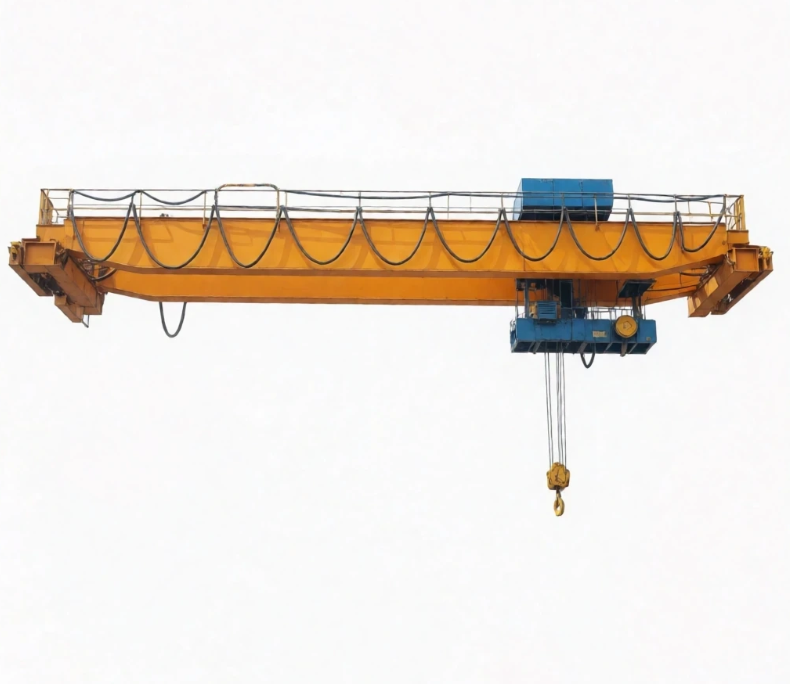
In industries where heat, friction, vibration, and environmental exposure are part of daily operations, choosing the right protective material is essential. Equipment insulation systems, welding areas, and ventilation installations all require materials that can maintain their properties under demanding working conditions.
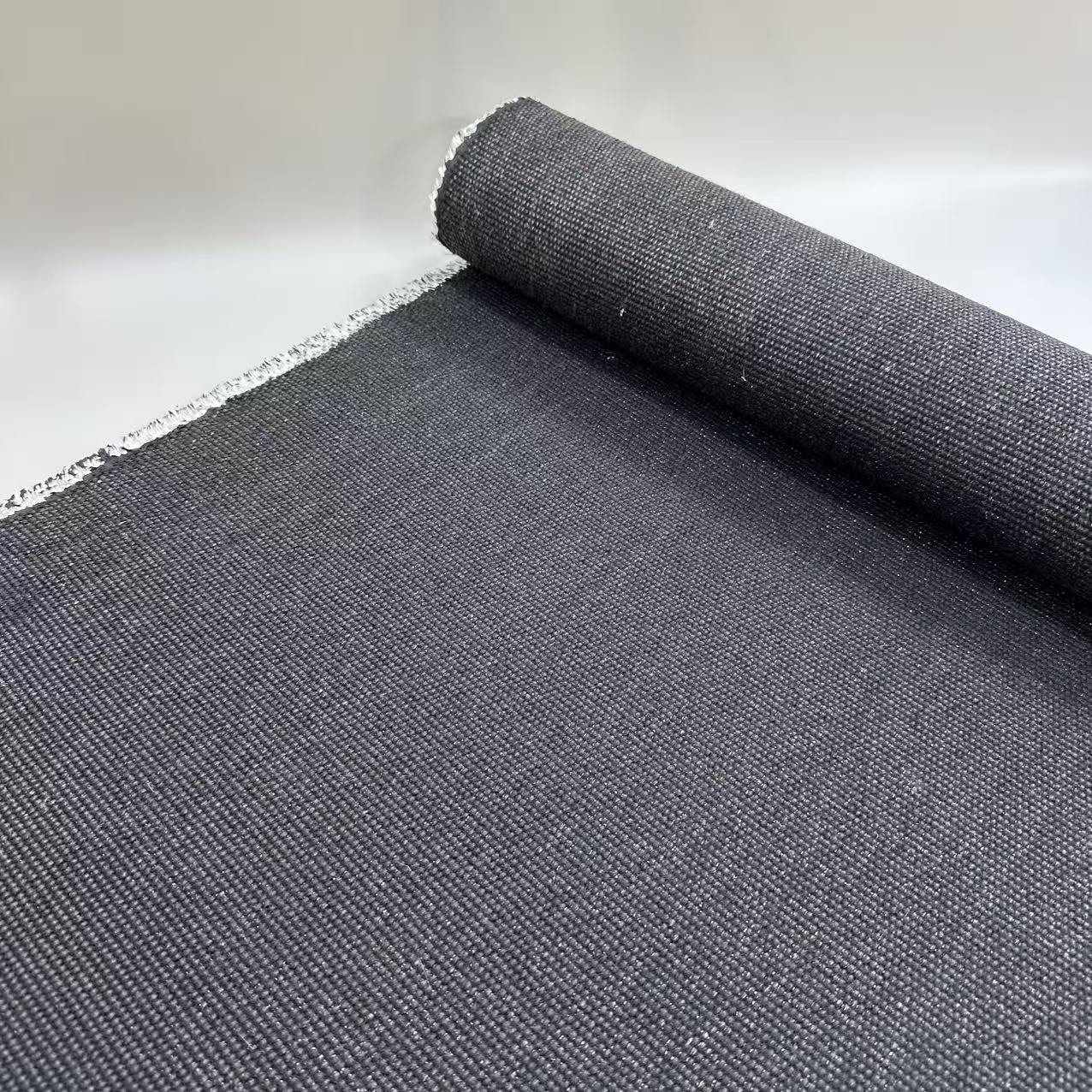
Fiberglass fabric is a common choice for industrial thermal protection because of its heat-resistant structure. When combined with a specialized coating, it can offer additional surface characteristics for applications involving abrasion, moisture, and repeated handling. Graphene Coated Fiberglass Fabric is one material option worth considering when both thermal and mechanical requirements need to be addressed.
1. Why Industrial Applications Need Multifunctional Fabrics
Industrial protective fabrics are rarely exposed to a single type of stress. For example, a removable insulation jacket installed around a pipeline may experience temperature changes, handling, and contact with surrounding components. Flexible connections in ventilation systems must also accommodate equipment movement and vibration.
For this reason, material selection should consider several factors:
-
Operating temperature and exposure duration
-
Resistance to sparks, hot particles, and radiant heat
-
Abrasion resistance and mechanical durability
-
Exposure to moisture and chemicals
-
Flexibility, installation space, and maintenance requirements
Understanding the actual working environment helps buyers determine whether a standard fiberglass textile or a coated and reinforced structure is more appropriate.
2. The Role of Fiberglass Substrates and Surface Coatings
The performance of coated fiberglass fabric is influenced by its base material as well as its coating system. Fiberglass provides the textile foundation, while the surface treatment is selected according to the intended application.
Different fabric structures serve different purposes. Filament fiberglass cloth offers a relatively smooth textile surface, while texturized fiberglass cloth has different handling characteristics. High silica cloth may be considered for applications with more demanding thermal requirements. For environments involving additional mechanical stress, steel wire reinforced fiberglass fabric is another option.
Coating quality also deserves attention. Uniform coverage, adhesion, and resistance to repeated folding can affect the material's service performance. These details are particularly important when fabrics are used in removable covers or flexible components that require frequent installation and maintenance.
3. How to Interpret Temperature Specifications Correctly
Temperature ratings are among the first specifications industrial buyers check. However, the working temperature of the fiberglass fabric and that of its coating may differ.
According to Zhuowei's product information, its Graphene Coated Fiberglass Fabric has a maximum fabric working temperature of 550°C, while the coating working temperature is listed as 260°C. These figures refer to different parts of the material and should not be treated as interchangeable.
Before purchasing, buyers should clarify the expected exposure conditions. Continuous heat, intermittent exposure, direct flame, and radiant heat can place different demands on a material. Mechanical stress and chemical contact may also influence its suitability.
The manufacturer's technical recommendations should therefore be checked against the actual operating environment rather than relying on a single temperature figure.
4. Where Can Coated Fiberglass Fabric Be Used?
Depending on its substrate and coating configuration, coated fiberglass fabric can be incorporated into several industrial products.
-
Detachable insulation covers: Used around valves, pipelines, and industrial equipment where thermal insulation and convenient maintenance access are both important.
-
Flexible fan connections: Help connect ventilation components while accommodating vibration and equipment movement.
-
Welding blankets: Provide a barrier against sparks and hot particles during welding and related operations.
-
Thermal insulation curtains: Help separate working zones and provide localized thermal protection.
For finished products, material selection is only one part of the design. Seams, stitching, fasteners, joints, and mounting arrangements can also affect overall performance.
5. Key Specifications to Review Before Procurement
When comparing Graphene Coated Fiberglass Fabric suppliers, buyers should look beyond product descriptions and examine the technical parameters relevant to their projects.
Important considerations include:
-
Fabric thickness and weight
-
Substrate material and textile structure
-
Coating type and one-sided or two-sided treatment
-
Available fabric width
-
Temperature limitations
-
Mechanical and environmental requirements
Zhuowei lists thickness options ranging from 0.2 mm to 3 mm, fabric weights from 200 to 3000 gsm, and standard widths between 1 m and 2 m. Both one-sided and two-sided coating configurations are available.
For customized applications, it is advisable to discuss the required dimensions, fabrication methods, mechanical conditions, and potential chemical exposure with the supplier. Sample evaluation before bulk purchasing can help confirm whether the selected material is suitable for the intended use.
6. Exploring Zhuowei's Fiberglass Material Options
Suqian Zhuowei New Materials Co., Ltd. supplies coated fiberglass fabrics and related industrial protection products, including fire blankets, welding blankets, detachable insulation covers, and flexible protective materials.
Its Graphene Coated Fiberglass Fabric is offered with different substrate options, thicknesses, fabric weights, and coating configurations. This range allows buyers to evaluate material combinations according to their thermal insulation and industrial protection requirements.
Rather than selecting a fabric based only on its name or advertised temperature rating, project teams should communicate their operating conditions and application details to Zhuowei before finalizing specifications.
Conclusion
Industrial protective fabrics must meet more than basic heat-resistance requirements. Temperature exposure, abrasion, vibration, moisture, and installation conditions all influence material selection.
Graphene Coated Fiberglass Fabric combines a fiberglass textile base with a specialized coating for applications such as insulation covers, welding blankets, flexible connections, and thermal curtains. Reviewing the substrate, coating limitations, and available specifications can help buyers identify an appropriate solution for their industrial projects.
https://www.sqzwxc.com/choosing-the-right-coated-fiberglass-fabric-for-industrial-protection.html
www.sqzwxc.com
Suqian Zhuowei New Materials Co., Ltd.



+ There are no comments
Add yours