

A golf cart is an invaluable tool for players and clubs, providing an efficient means of transport across vast golf courses. At the heart of its smooth operation lies the golf cart main wiring harness—the vital electrical network responsible for ensuring all of the cart's systems work harmoniously. The wiring harness connects various components of the golf cart, powering everything from the motor and lights to the dashboard and sensors. In this detailed guide, Xincheng will explore the golf cart main wiring harness—its potential issues and how to maintain it to keep your golf cart running efficiently for years.
What is a Golf Cart Main Wiring Harness?
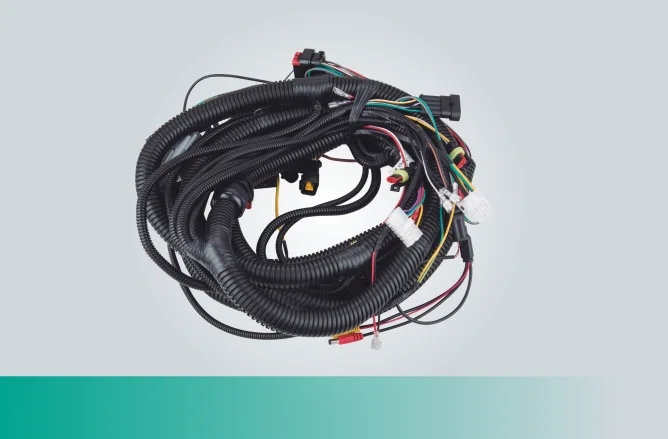
A golf cart main wiring harness is the central network of wires that routes electrical power from the battery to all of the essential components of the golf cart, such as the motor, lights, and accessories. It serves as the communication system, ensuring that electrical signals are correctly distributed and received by the cart’s various systems. The wiring harness allows the cart’s electrical components to function in tandem, from starting the motor to illuminating the headlights, running the dashboard controls, and even activating accessories like the horn or stereo. The integrity and health of the wiring harness are crucial, as a damaged or worn-out harness can result in erratic performance or, in the worst case, complete system failure.
Common Issues with Golf Cart Main Wiring Harnesses
As a fundamental part of the electrical system, the golf cart main wiring harness is subject to wear and tear over time. There are several common issues that can arise with the wiring system. Understanding these potential issues can help you troubleshoot effectively and keep your cart running smoothly.
1. Frayed or Broken Wires
Frayed or broken wires are one of the most common issues with a golf cart main wiring harness. Over time, the wires can become damaged due to constant vibrations, exposure to weather elements, or wear caused by rough handling. A frayed wire can expose its internal components, leading to potential short circuits or power failures.
To identify this issue, regularly inspect the wiring for any visible signs of wear. If you notice exposed wires or insulation that is cracked or missing, it’s time to repair or replace them to prevent further damage. In some cases, broken wires can lead to complete electrical failure in specific areas of the cart, such as the lights, motor, or controls.
2. Loose or Corroded Connectors
Connectors are crucial for maintaining a stable electrical connection between the wiring harness and the cart’s components. Over time, connectors can loosen due to vibrations, wear, or improper installation. Loose connectors can cause intermittent power loss or erratic electrical performance, which may result in issues like flickering lights, an unresponsive motor, or difficulty starting the cart.
Corrosion is another common issue, especially in areas exposed to moisture or humidity. Corroded connectors can impede the flow of electricity, resulting in weak signals or power shortages. Regularly cleaning connectors and applying dielectric grease can help prevent corrosion, ensuring reliable electrical performance.
3. Blown Fuses or Tripped Circuit Breakers
Fuses and circuit breakers are safety devices designed to protect the golf cart main wiring harness from power surges and electrical faults. When an overload occurs or if a short circuit develops, the fuse blows or the circuit breaker trips to prevent further damage. A blown fuse or tripped breaker can lead to the failure of certain components in the cart, such as the motor or lighting system.
If a fuse or breaker is blown, it’s essential to identify the cause of the overload. Replacing the fuse or resetting the breaker without addressing the underlying issue may result in repeated failures. Check for any signs of short circuits, excessive power draws, or faulty components that could be causing the issue.
4. Faulty or Damaged Relays and Switches
Relays and switches are responsible for controlling the flow of power to different systems within the golf cart. A malfunctioning relay or switch can prevent the electrical system from operating correctly, leading to failure in key systems like the motor, lights, or accessories.
Switches can wear out over time due to repeated use, and relays can become faulty due to electrical surges or physical damage. If you’re experiencing issues with specific functions of the cart—such as a motor that won’t start or lights that won’t turn on—faulty relays or switches could be the cause.
Maintaining Your Golf Cart Main Wiring Harness
To avoid common issues and ensure your golf cart main wiring harness functions optimally, regular maintenance is essential. Here are some tips for keeping your wiring harness in good condition:
1. Regular Inspections
Regular inspections are the foundation of maintaining a reliable golf cart main wiring harness. By checking the wiring system on a routine basis, you can identify potential issues before they develop into serious electrical failures. Look closely for cracked insulation, frayed wires, discoloration from overheating, or signs of moisture intrusion. Pay extra attention to areas near the battery compartment, controller, and motor, where the golf cart main wiring harness is often exposed to vibration, heat, and debris. Early detection not only extends the lifespan of the harness but also helps maintain consistent electrical performance.
2. Clean and Lubricate Connectors
Connectors are critical connection points within the golf cart main wiring harness, and they are especially vulnerable to corrosion and dirt buildup. Over time, exposure to moisture, dust, and chemicals can weaken electrical conductivity. Regularly disconnect and clean the terminals using a quality electrical contact cleaner to remove oxidation and contaminants. After cleaning, applying a thin layer of dielectric grease helps seal the connection, reduce corrosion, and improve long-term reliability. Well-maintained connectors ensure stable power flow and prevent intermittent issues commonly associated with a neglected golf cart main wiring harness.
3. Replace Worn or Damaged Wires
Any damaged wiring within the golf cart main wiring harness should be addressed immediately to avoid short circuits or unexpected power loss. Frayed insulation, exposed copper, or brittle wires are clear indicators that replacement is necessary. Ignoring these warning signs can lead to larger electrical failures and even damage sensitive components like controllers or solenoids. Using high-quality replacement wires that match the original specifications will ensure proper current flow and restore the overall integrity of the golf cart main wiring harness.
4. Test Fuses and Circuit Breakers
Fuses and circuit breakers act as safety devices that protect the golf cart main wiring harness from overloads and electrical faults. Periodically testing these components helps confirm that they are responding correctly under normal and abnormal conditions. If a fuse blows or a breaker trips frequently, it’s essential to trace the issue back to its source, such as a shorted wire or faulty component within the wiring harness. Simply replacing the fuse without resolving the underlying problem can result in repeated failures and potential damage to the golf cart main wiring harness.
5. Replace Faulty Relays and Switches
Relays and switches play a vital role in controlling current flow throughout the golf cart main wiring harness. When these components begin to fail, symptoms such as delayed response, inconsistent operation, or complete power loss may occur. Testing relays and switches with proper diagnostic tools allows you to identify weak or malfunctioning parts. Replacing faulty components promptly ensures smooth electrical operation, reduces strain on the wiring harness, and helps maintain the overall reliability of the golf cart’s electrical system.
Conclusion
The golf cart main wiring harness is a vital component that connects all of the electrical systems within your golf cart. Its role in ensuring the proper flow of electricity to various components like the motor, lights, and accessories cannot be overstated. However, like any system, the wiring harness is susceptible to wear and damage over time, and it’s essential for golf cart owners to regularly inspect, maintain, and troubleshoot their wiring systems to prevent costly repairs.
By understanding the common issues that can arise with the wiring harness—such as frayed wires, corroded connectors, and blown fuses—golf cart owners can take proactive steps to maintain their carts and ensure consistent, reliable performance. Regular maintenance and timely repairs will help prolong the life of your golf cart main wiring harness and keep your cart running smoothly, ensuring many more enjoyable rounds on the course.
https://www.xcwireharness.com/Golf-Cart-Main-Wiring-Harness.html
www.xcwireharness.com
Dongguan Xincheng Wire Harness Technology Co., Ltd



+ There are no comments
Add yours