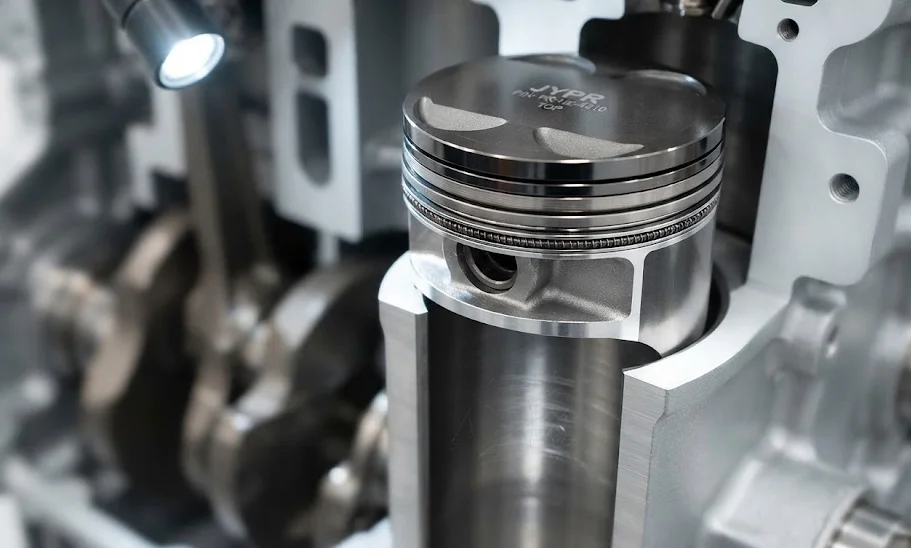
Clinker storage plays a decisive role in stabilizing cement production, protecting material quality, and ensuring efficient plant operations. As production capacities grow and environmental standards tighten, clinker silo design has become a critical technical focus for cement manufacturers worldwide. A well-engineered silo structure not only prevents material degradation but also optimizes space utilization, reduces thermal loss, supports automation, and minimizes maintenance burdens. In this blog post, Flyer, as high quality industrial storage silo manufacturer, will share the key parameters of clinker steel plate silo design, its structural safety considerations, etc.
Understanding Clinker Storage Needs in Steel Plate Silo Design
Modern clinker steel plate silo design begins with analyzing the unique physical and thermal characteristics of cement clinker. Unlike powders or granules, clinker nodules exhibit high temperatures, hard and abrasive surfaces, variable particle sizes, and significant internal expansion forces. Therefore, any silo design must account for:
-
High-temperature resistance, especially during rapid clinker transfer
-
Abrasion protection for wall plates, internal cones, and discharge systems
-
Structural stability to withstand long-term thermal cycling
-
Efficient aeration to cool clinker uniformly
-
Smooth material flow to avoid segregation and bridging
Steel silos have gained global prominence because they offer high strength-to-weight ratios, modular assembly, and flexible customization to meet the demands of large-capacity clinker storage.
Key Parameters of Clinker Silo Design
Engineering accuracy is the foundation of durable clinker silo steel plate engineering. When developing a new silo solution, designers must evaluate several core parameters:
1. Silo Diameter and Capacity Planning
The relationship between silo diameter and plant output determines the system’s operational efficiency. Modern cement plants often require 10,000–60,000-ton capacities. Proper sizing also influences aeration layout and discharge consistency.
2. Steel Grade and Plate Thickness
The high-density load of clinker requires steel plate configurations with specified yield strength, often combined with thicker lower rings to handle compressive stress. Segmental thickness grading ensures structural safety while controlling cost.
3. Temperature-resistant Inner Linings
Because clinker is stored at elevated temperatures, inner plates may employ heat-resistant alloys, wear liners, or composite coatings. This prevents deformation, extends service life, and maintains internal geometry.
4. Cone Angle and Base Structure
The internal conical base plays a central role in ensuring predictable clinker flow. Designers calculate optimal angles to prevent arching or rat-holing. Supporting structures—such as reinforced concrete foundations or steel-framed bases—must withstand dynamic loading from discharge operations.
5. Aeration and Cooling Systems
Uniform clinker cooling is achieved through grid aeration floors, temperature-control channels, or energy-saving ventilation pipes. Proper engineering avoids thermal stress while ensuring constant material availability for grinding units.
Advanced Concepts of Clinker Silo Construction
Technological advances have significantly transformed clinker steel plate silo construction, particularly for large-capacity cement plants. Several modern construction features include:
Precision-rolled Steel Plates
Advanced rolling machines ensure cylindrical accuracy, minimizing stress concentrations and guaranteeing tighter plate connections. This accuracy boosts the performance of bolted or welded silo structures.
High-strength Bolted Silo Systems
Bolted steel silo technology allows for rapid installation in restricted plant environments. Surface-treated bolts and flanges improve joint reliability, ensuring airtight and thermally stable silo walls.
Modular Installation for Large Clinker Silos
Modular installation enables parallel assembly of different components, reducing construction time and avoiding prolonged production interruptions. Mobile lifting equipment ensures safe plate positioning at elevated heights.
Fire and Heat Protection Layers
To maintain silo structural stability, designers may integrate external insulation layers, thermal expansion joints, or refractory linings depending on clinker temperature and overall process flow.
Structural Safety Considerations in Clinker Silo Design
A scientifically designed clinker steel plate silo structure must adhere to strict safety considerations. The following elements are essential for long-term operational integrity:
Load Distribution and Stability Calculations
Engineers analyze vertical loads, seismic activity, wind pressure, and eccentric discharge forces. Finite element simulation helps identify risk areas and optimize the stress distribution of the steel shell.
Anti-Corrosion and Anti-Fatigue Measures
Cement plants often operate in dusty, alkaline, or humid environments. Hot-dip galvanizing, epoxy coatings, and composite protections ensure the silo maintains structural rigidity over decades.
Controlled Internal Pressure
Clinker addition and discharge create transient pressure conditions. Ventilation valves and dust-control devices maintain stable internal pressure, preventing wall deformation.
Emergency Response Design
Modern silos integrate access hatches, temperature monitoring systems, fire-prevention features, and real-time mechanical condition detection. These safeguard plant workers and maintain continuous, safe operation.
Optimizing Clinker Handling Through Innovative Silo Discharge Design
Material flow is crucial to every clinker silo discharge design, directly affecting mill feeding and plant efficiency. Effective discharge solutions include:
-
Central discharge with flow-control gates
-
Multi-point outlets for large-diameter silos
-
Vibrating extractors, air slides, or mechanical reclaimers
-
Automated load monitoring for uninterrupted flow
Proper discharge system engineering helps avoid blockages, ensures homogeneous mixing, and reduces downtime, ultimately improving the grinding system’s stability.
Smart Automation in Clinker Steel Silo System
With digitalization advancing in cement manufacturing, automated clinker steel silo systems now integrate intelligent features such as:
-
Real-time temperature tracking to prevent hot spots
-
Automated aeration schedules
-
Inventory measurement using radar level sensors
-
Predictive maintenance supported by data analytics
-
Remote monitoring that reduces manpower needs
Automation increases operational transparency and enhances safety while ensuring continuous, stable clinker supply to downstream processes.
Environmental and Energy Performance in Clinker Storage Design
Modern clinker silo storage design emphasizes sustainability. Energy-saving ventilation systems, low-leakage steel connections, and dust-free discharge methods help plants meet environmental regulations while reducing operational costs. Additionally:
-
Insulation minimizes thermal loss, reducing cooling energy
-
Enclosed transfer lines protect against dust emissions
-
Optimized flow reduces power consumption for transport equipment
Environmental refinement is now an indispensable element of modern cement facility upgrades.
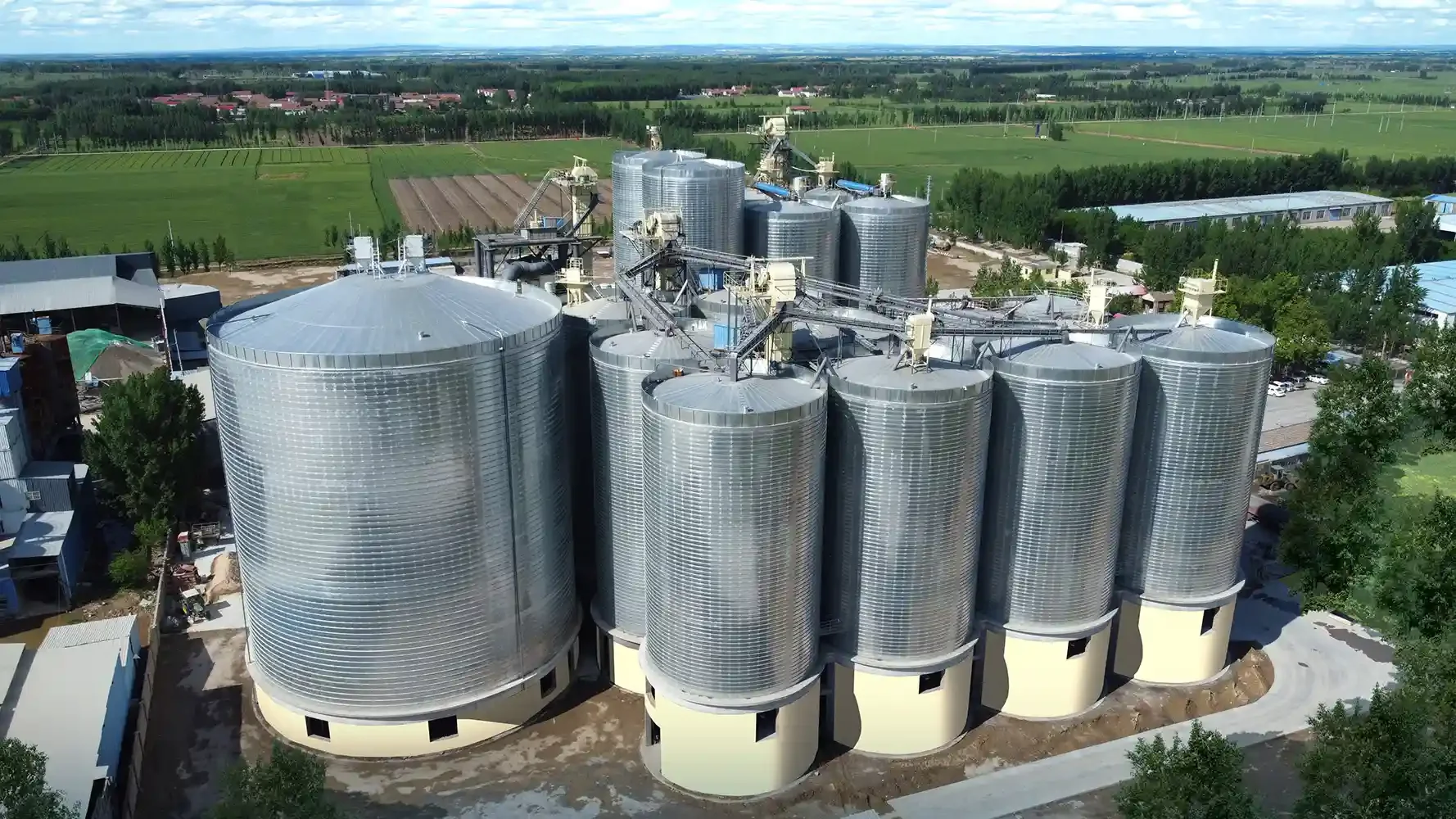
Choosing Reliable Partner for Clinker Steel Plate Silo Projects
Given the engineering complexity, selecting a capable silo manufacturer is critical. A qualified partner provides:
-
Customized design based on detailed raw material analysis
-
Quality-assured steel components with precision fabrication
-
Proven construction experience with large cement plants
-
Complete aeration, insulation, and discharge system integration
-
Rigorous testing and long-term maintenance support
Investing in expert engineering ensures the silo’s lifespan, safety, and economic performance.
Conclusion
A modern clinker steel plate silo design is far more than a storage solution—it is an integrated engineering system that influences product quality, plant efficiency, environmental performance, and operational safety. Through thoughtful architectural planning, advanced steel fabrication, intelligent flow design, and automated control, cement manufacturers can achieve reliable, efficient, and future-ready clinker storage.
If you need, I can also refine the tone, restructure for marketing purposes, or generate versions tailored for specific SEO keyword clusters.
www.flyersteelsilo.com
Flyer


+ There are no comments
Add yours