
Industrial water treatment systems play a crucial role in maintaining the efficiency and reliability of industrial operations. These systems are designed to ensure water quality, prevent corrosion, protect equipment, and comply with environmental regulations. However, like any complex machinery, water treatment systems require regular monitoring and maintenance. Ignoring warning signs can lead to costly downtime, equipment damage, or even regulatory fines. This article highlights key warning signs indicating that your industrial water treatment system may need immediate attention, and offers practical steps to address these issues.
1. Unusual Changes in Water Quality
One of the most obvious signs that your water treatment system is not performing optimally is a noticeable change in water quality. This can manifest in various ways:
-
Turbidity or Cloudiness: If the water appears cloudy or has suspended particles, it may indicate that filters, membranes, or sedimentation units are clogged or failing.
-
Color Changes: Rust-colored water suggests corrosion in pipes or tanks, while greenish or yellowish water may indicate microbial growth or chemical imbalance.
-
Unpleasant Odors or Taste: Odors like sulfur or chlorine can signal chemical dosing errors or microbial contamination.
-
Unexpected pH or Conductivity Fluctuations: Changes in pH, alkalinity, or conductivity beyond normal operating ranges can affect downstream processes and indicate system malfunction.
Action Steps:
Regular water quality monitoring, including visual checks, chemical testing, and sensor-based measurements, can help detect issues early. If changes are detected, inspect filters, chemical dosing systems, and membranes for performance degradation.
2. Increased Energy Consumption
A sudden increase in energy consumption is often a hidden sign that your water treatment system is under stress. Pumps, blowers, and filtration units may consume more power if:
-
Filters or membranes are clogged, requiring more pressure to maintain flow.
-
Pumps are operating against higher head pressure due to scaling or sediment accumulation.
-
Chemical dosing systems are compensating for water quality issues, consuming more reagents.
Action Steps:
Monitor energy usage trends in your facility. If energy costs rise unexpectedly without increased production, inspect the water treatment system components for blockages, fouling, or mechanical wear.
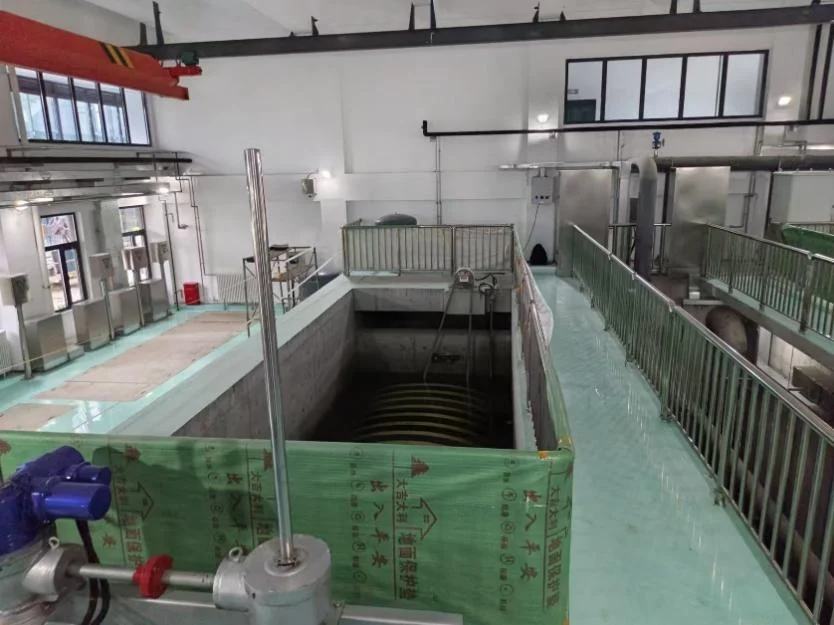
3. Frequent System Alarms or Shutdowns
Industrial water treatment systems are often equipped with automated alarms to alert operators of abnormal conditions. Frequent alarms or unscheduled shutdowns are clear warning signs that something is wrong.
-
Pressure Alarms: High or low pressure alerts indicate blockages, pump failure, or leaks.
-
Flow Alarms: Low or inconsistent flow rates can signal pump inefficiency or clogged pipelines.
-
Chemical Dosing Alarms: Repeated alerts may indicate malfunctioning dosing pumps or incorrect chemical calibration.
Action Steps:
Investigate the root cause of recurring alarms immediately. Regularly calibrate sensors and maintain control systems to ensure accurate readings. Document and analyze alarm history to identify recurring patterns.
4. Visible Scale, Sediment, or Corrosion
Physical signs of deterioration in your water system are often more visible than chemical indicators:
-
Scale Buildup: Hard water can lead to calcium and magnesium deposits in pipes, boilers, and heat exchangers.
-
Sediment Accumulation: Sludge, sand, or debris can clog filters and reduce system efficiency.
-
Corrosion: Rusty surfaces on tanks, pipes, or valves suggest chemical imbalance or inadequate corrosion protection.
Action Steps:
Implement routine inspections of tanks, piping, and key components. Use anti-scaling agents, corrosion inhibitors, and periodic mechanical cleaning to prevent long-term damage.
5. Unexplained Equipment Failures
Industrial water treatment systems support various downstream equipment, including boilers, chillers, cooling towers, and manufacturing processes. Frequent or unexpected failures of this equipment can indicate water system problems:
-
Boiler Tube Failures: Often caused by poor water quality, scaling, or corrosion.
-
Pump Cavitation: Can result from air entrainment, low suction pressure, or scale buildup.
-
Clogged Heat Exchangers: Reduced heat transfer efficiency due to deposits or microbial growth.
Action Steps:
Monitor the performance of downstream equipment and correlate issues with water system data. Preventive maintenance, such as flushing, chemical cleaning, and filtration checks, can reduce equipment failures.
6. Unusual Noise or Vibration
Industrial water treatment equipment is designed to operate smoothly. Abnormal noise or vibration is a mechanical warning sign:
-
Pump or Motor Noise: May indicate bearing wear, misalignment, or cavitation.
-
Vibrations in Piping: Can be caused by air pockets, loose supports, or unbalanced flow.
-
Filtration Unit Sounds: Hissing, rattling, or banging may signal blockages or mechanical failure.
Action Steps:
Conduct regular mechanical inspections and vibration analysis. Lubricate moving parts, check alignment, and tighten supports as necessary. Replace worn components promptly.
7. Excessive Chemical Usage
If you notice that your chemical consumption has increased without a corresponding rise in water demand, this could indicate:
-
Inefficient filtration or membrane fouling.
-
pH or hardness imbalance causing overdosing.
-
Microbial contamination requiring more biocides.
Action Steps:
Review chemical dosing records and compare with historical trends. Inspect filtration and treatment systems to ensure optimal performance. Consider water softening or pre-treatment adjustments to reduce chemical consumption.
8. Regulatory Compliance Issues
Industrial water treatment systems must comply with local environmental regulations regarding discharge quality and water usage. Warning signs of compliance problems include:
-
Exceeding permitted discharge limits for pH, turbidity, heavy metals, or other contaminants.
-
Repeated violations or corrective action notices from regulatory authorities.
-
Complaints from downstream users about water quality.
Action Steps:
Implement real-time monitoring and automated reporting to stay ahead of compliance issues. Conduct regular audits and testing to ensure all parameters meet regulatory standards.
Preventive Measures to Avoid System Failures
To minimize risks and extend the lifespan of your industrial water treatment system, consider the following preventive measures:
-
Regular Maintenance: Schedule routine inspections, cleaning, and component replacement.
-
Water Quality Monitoring: Continuously monitor key parameters like pH, turbidity, hardness, conductivity, and microbial content.
-
Staff Training: Ensure operators are trained to detect early warning signs and respond promptly.
-
Record Keeping: Maintain detailed logs of maintenance activities, alarm histories, and water quality data for trend analysis.
-
Upgrade and Retrofit: Replace outdated equipment, improve control systems, and implement energy-efficient technologies.
-
Professional Assessment: Engage water treatment specialists for periodic audits and system optimization.
Conclusion
Ignoring warning signs in your industrial water treatment system can lead to reduced operational efficiency, equipment damage, increased costs, and compliance violations. Key indicators—such as changes in water quality, energy consumption, frequent alarms, visible corrosion or scale, unusual noise, and excessive chemical usage—should never be overlooked.
By proactively monitoring, maintaining, and upgrading your system, you can ensure reliable performance, extend equipment life, and maintain regulatory compliance. Early detection of issues not only saves money but also protects your facility and environment.
Industrial water treatment is complex, but understanding the warning signs and acting promptly can make the difference between smooth operation and costly disruptions
www.jinhuacn.com
jinhuacn


+ There are no comments
Add yours