Understanding the Tropical Island Challenge for Glamping Structures
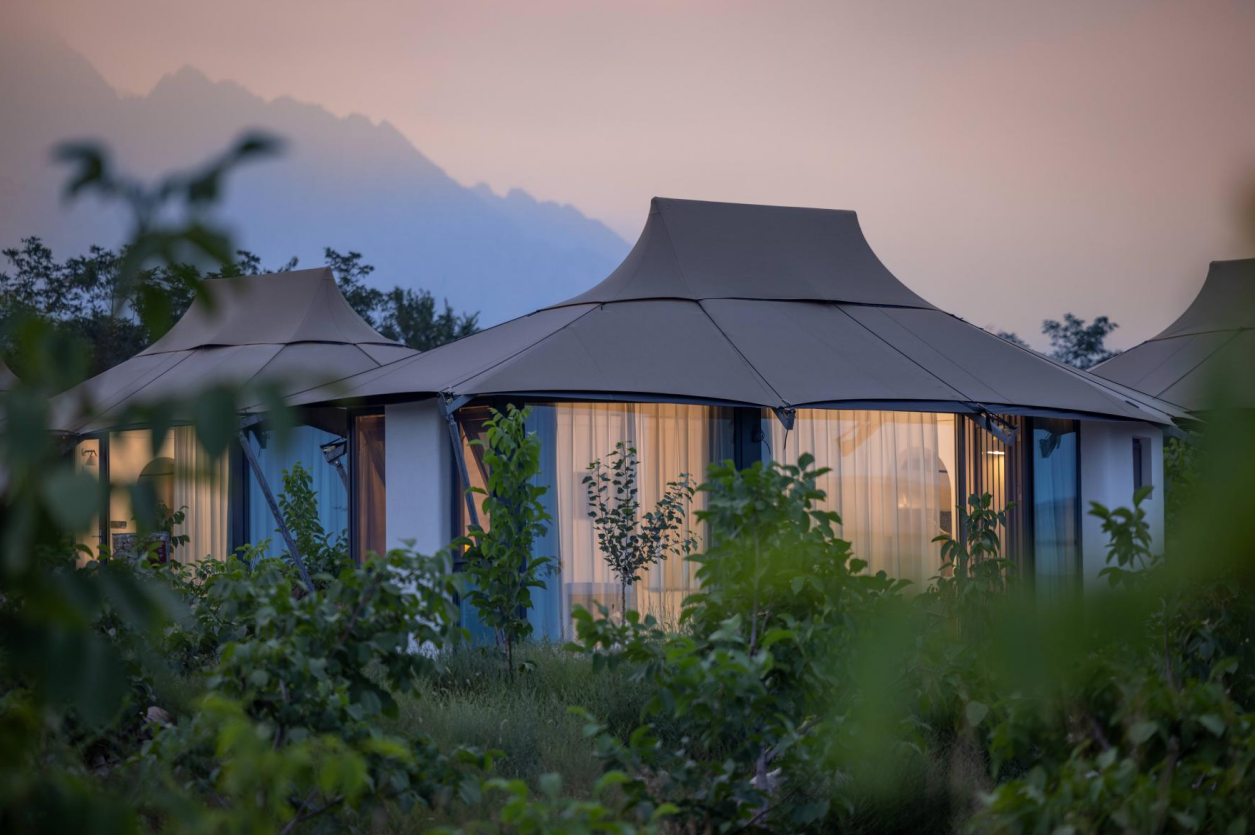
Tropical islands present one of the most demanding environments for any outdoor accommodation structure. High humidity, intense UV exposure, salt-laden coastal air, heavy rainfall, and the constant threat of mildew all combine to test the durability of hospitality infrastructure. For resort developers and boutique hotel owners considering hotel tents for island properties, the core question is whether these structures can genuinely withstand such harsh conditions while still delivering the hotel-grade comfort that guests expect. Based on the product engineering behind Stars Glamping, marketed under the Stars Tent brand, the answer appears to be a well-supported yes—provided the right structural and material choices are made.
Why Material Selection Matters in Coastal and Tropical Settings
The foundation of any tropical-ready glamping structure lies in its materials. Stars Glamping's product line relies on high-performance PVDF architectural membranes combined with robust galvanized steel frames, specifically engineered for UV, flame, and mildew resistance. This combination directly addresses the three most common failure points of outdoor fabric structures in humid coastal climates: fading and degradation from sun exposure, fire safety risk, and fungal growth caused by persistent moisture.
The Luxury Tent – Octagon, an upgraded version of the classic Safari Tent, is a particularly relevant example. Its 80×80mm galvanized steel frame is explicitly designed to "provide superior strength and prevent rust in high-humidity environments," which is a critical requirement for any structure placed near saltwater or in year-round humid conditions. The tent also uses high-quality PVDF membrane that "ensures durability in coastal and tropical regions," making it one of the most directly applicable models for island-based hospitality projects. Its octagonal roof design further facilitates natural runoff of rain and snow, reducing maintenance demands—an important consideration in regions with frequent tropical rainfall.
Structural Stability Against Tropical Weather Events
Beyond humidity and heat, tropical islands are often exposed to strong winds and storms. Stars Glamping's engineering approach addresses this through modular structural engineering and advanced membrane tensioning technology. The Luxury Tent – Rhea, a 150m² multi-functional luxury suite, demonstrates this capability with a frame structure "engineered to withstand up to level-12 gales," supported by a three-layer tensile membrane offering integrated sun-proof, heat-insulating, and snow-proof performance. While the Rhea is positioned as a large multi-suite unit, the underlying frame engineering principle—reinforced structures capable of resisting extreme wind loads—reflects the broader technical standard applied across the product range, which is directly relevant to island locations prone to strong coastal winds.
Similarly, the Luxury Tent – Cocoon, with its dome-inspired structure, is noted for "excellent wind resistance" through efficient load distribution, while its high-performance membrane is described as fire-retardant and mildew-resistant—both properties that align well with tropical humidity and storm exposure.
Managing Heat and Sun Exposure in Warm Climates
Tropical islands typically combine high humidity with intense, prolonged sun exposure, making heat management essential. Stars Glamping has developed specific solutions for high-temperature regions. The Luxury Tent – Libra, described as a "specialized reception and activity tent for high-temperature regions," was engineered with advanced heat dissipation systems, including a 90% shading rate polyethylene cloth stitched 80cm above the main roof for cooling and a double-layer roof shading system that "effectively isolates external heat." Although Libra is designed as a large-capacity event tent accommodating 50 to 80 people, its heat-dissipation logic illustrates the company's broader capability to engineer for hot climates.
For direct sun exposure, the Luxury Tent – Pisces, described as having "safari-inspired architecture with advanced UV shading technology," uses a double-layer roofing system combining 900D Oxford fabric with a black mesh shading layer that blocks 99% of harmful UV rays. Its XPS insulation core walls provide additional thermal regulation, and the tent offers a 25m² interior with a total shaded area of 97m²—a feature set well-suited to sun-intensive island environments.
Low Maintenance as a Practical Advantage
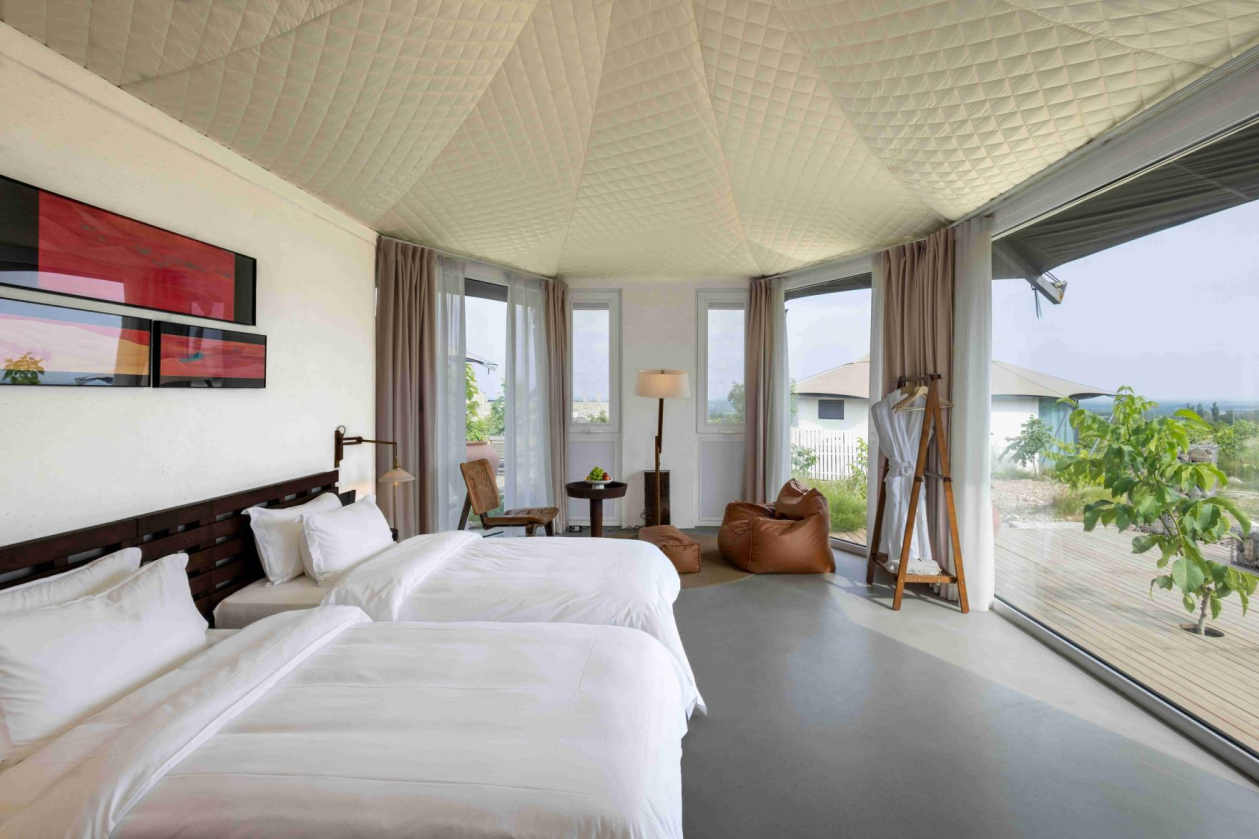
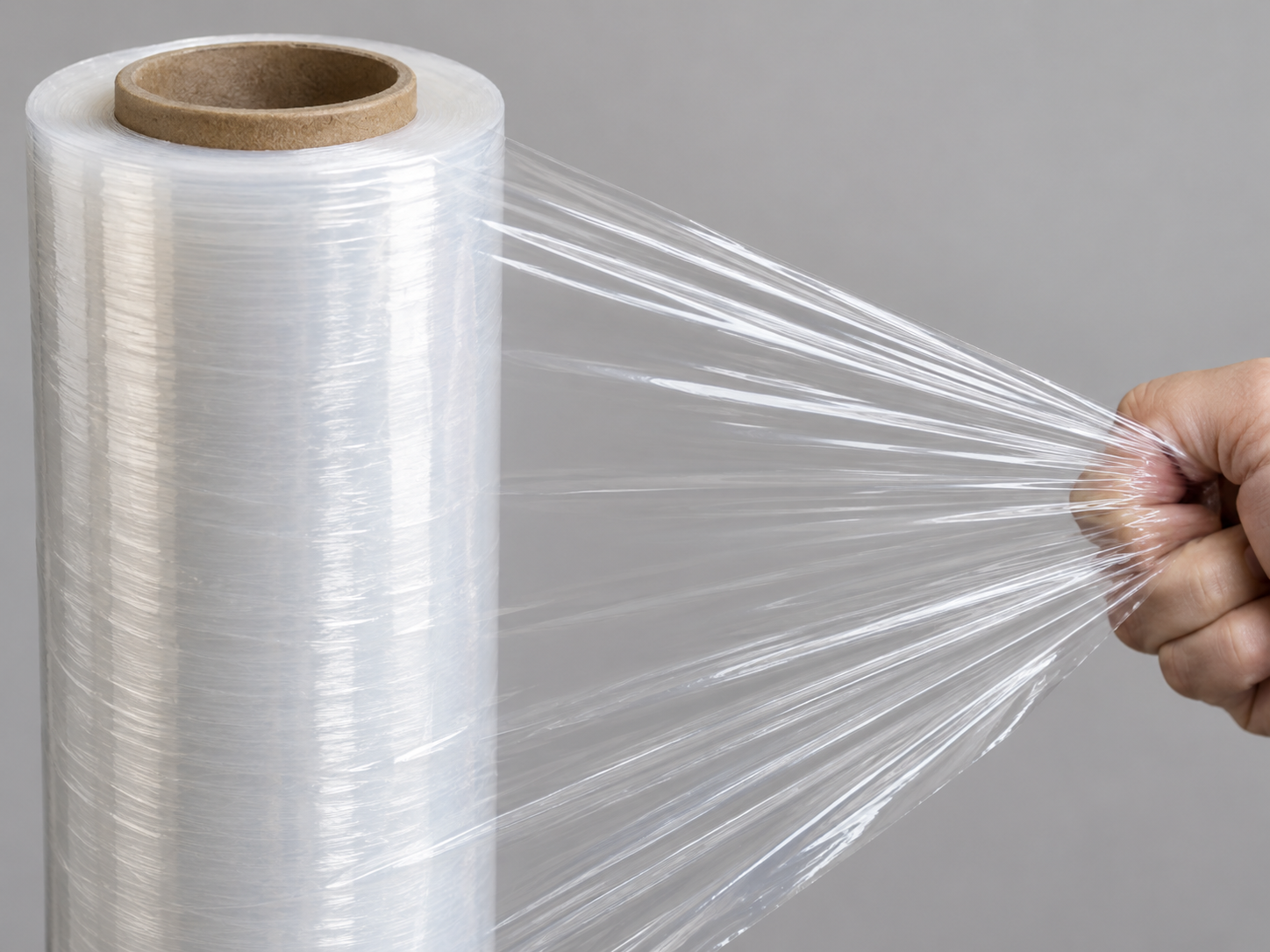
Island properties often face logistical challenges related to maintenance, given the remoteness of many resort locations. Stars Glamping addresses this through self-cleaning PVDF membranes and corrosion-resistant frames, which the company states require "minimal maintenance." The Luxury Tent – Capricorn exemplifies this benefit, as its "smooth PVDF surface minimizes dirt accumulation and simplifies cleaning." Likewise, the Luxury Tent – Snails, with its biomimetic spiral profile, features a self-cleaning PVDF membrane that "resists aging and environmental staining," a valuable trait for salt-air exposure common to tropical coastal sites.
Long-Term Durability Through Frame Engineering
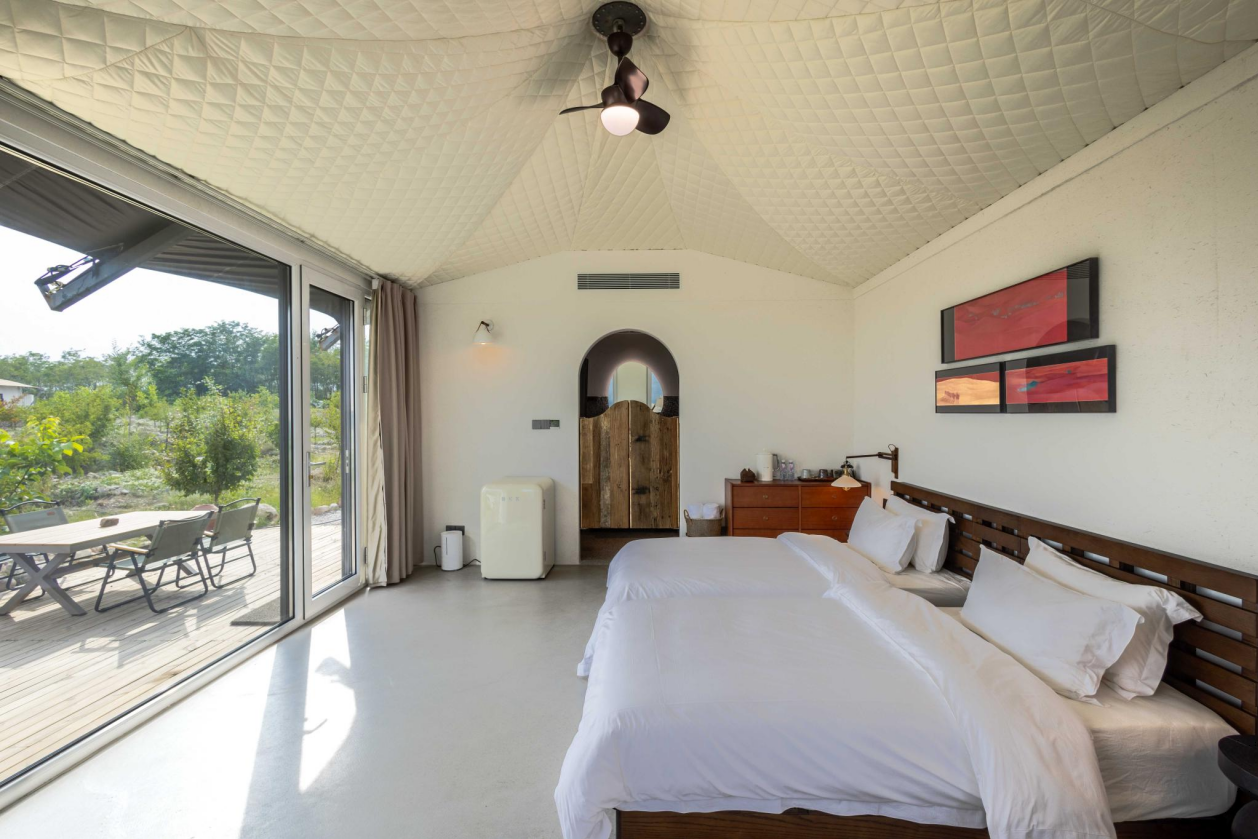
Across the product range, hot-dip galvanized steel processing is used consistently "for superior corrosion resistance," a technical method that directly supports longevity in humid, salt-exposed environments typical of tropical islands. The Luxury Tent – Hecate, for instance, uses 80×80×3mm steel pipes in a "heavy-duty hot-dip galvanized structure for extreme stability," while the Luxury Tent – Gaea relies on a 100×100×4mm Q235 steel tube described as an "industrial-grade frame for superior wind resistance." These structural choices reinforce the broader claim that Stars Glamping's frame technology is built to endure demanding outdoor conditions over the long term.
Conclusion: A Structurally Sound Option for Island Hospitality
Taken together, the available product evidence indicates that hotel tents from Stars Glamping are engineered with the material science and structural design necessary to address the core challenges of tropical island environments—humidity-driven corrosion, UV degradation, mildew growth, heat buildup, and storm-force winds. Models such as the Octagon, Libra, Pisces, Cocoon, and Rhea each target specific aspects of tropical or high-temperature performance, from coastal-grade steel framing to advanced UV shading and heat dissipation. For resort developers, boutique hotel owners, and tourism investment groups evaluating outdoor accommodation options for island destinations, the technical specifications behind the Stars Tent product line suggest that suitability depends less on whether hotel tents can work in tropical settings, and more on selecting the specific model engineered for the climate conditions of the intended location.
www.stars-glamping.com
Stars Glamping Tent Co.,Ltd


+ There are no comments
Add yours