


Importing an SUV from China involves more than selecting a suitable model and confirming a purchase order. For overseas dealers, the vehicle must pass through several stages before it becomes ready for retail delivery. Transportation arrangements, export preparation, shipping documentation, port handling, and arrival inspections all influence the efficiency of the process.
The Jetour T2, also known as the Jetour Traveller in selected markets, is among the Chinese SUV models that international buyers may consider for their product portfolios. With its distinctive exterior design, five-seat layout, and available four-wheel-drive configurations, it offers an additional option for distributors sourcing vehicles from China.
However, even when the vehicle specification is confirmed, effective delivery management remains essential. How can importers reduce avoidable delays and protect their vehicles throughout the shipping process?
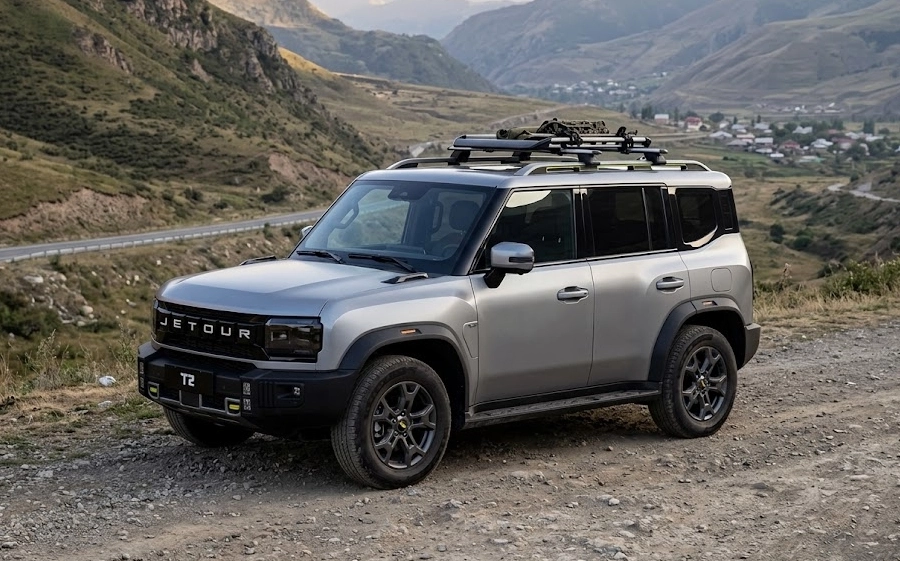
1. Choose a Shipping Method Based on the Order Requirements
The first step is determining how the vehicles will be transported. The most suitable shipping method depends on order quantity, destination port, shipping schedules, budget, and vehicle dimensions.
Two common options for international vehicle transportation are Ro-Ro shipping and container shipping.
Ro-Ro shipping allows vehicles to be driven onto and off a specialized vessel. It is commonly considered for shipments of operational vehicles when suitable routes and vessel services are available.
Container shipping places vehicles inside shipping containers. It may be suitable for smaller shipments or buyers who prefer a container-based transportation arrangement. However, loading, securing, container dimensions, and handling procedures require careful coordination.
For Jetour T2 importers, the choice should be based on the complete shipping arrangement rather than freight price alone. Vessel availability, port restrictions, handling requirements, and delivery schedules should all be reviewed before booking.
2. Prepare Vehicles Properly Before Shipment
Vehicle preparation is an important stage because transportation exposes vehicles to handling, movement, and environmental conditions.
Before shipment, the buyer and supplier should agree on the vehicle preparation and inspection scope.
Typical preparation considerations include:
-
Confirming vehicle identification numbers and order details
-
Checking exterior paint, glass, lamps, and visible body components
-
Recording the vehicle's condition before loading
-
Checking tires and general vehicle condition
-
Removing or securing loose items where necessary
-
Confirming the appropriate fuel and battery arrangements for the selected shipping method
Photographs and inspection records provide useful evidence of the vehicle's condition before transportation. They can also help clarify responsibility if damage is discovered after arrival.
3. Vehicle Securing and Transportation Protection
Once the shipping method is confirmed, the next concern is protecting vehicles during loading and transportation.
For container shipments, vehicles must be positioned and secured according to the applicable loading procedures. Proper securing helps prevent unwanted movement during vessel transportation.
Protective materials may also be used where appropriate to reduce the risk of scratches or contact damage. However, protection methods should not interfere with vehicle components or create additional safety risks.
For Ro-Ro transportation, vehicle handling procedures and access arrangements should be confirmed with the shipping provider.
Importers should also clarify whether the transportation arrangement includes cargo insurance and what types of damage or loss are covered. Insurance conditions, exclusions, and claim documentation should be reviewed before shipment.
4. Keep Export Documentation Consistent
Documentation errors can create delays even when the vehicles themselves are ready for shipment.
Before dispatch, importers should confirm that the relevant commercial and shipping information is accurate and consistent.
Depending on the transaction and destination requirements, documents may include:
-
Commercial invoice
-
Vehicle identification and specification information
-
Export customs documentation
-
Bill of lading
-
Insurance documentation, where applicable
-
Destination-specific certificates or supporting documents
The exact documentation requirements vary between countries. Buyers should confirm the applicable import procedures with their customs broker or local import agent before the vehicles leave China.
For Jetour T2 orders, particular attention should be paid to the consistency of model descriptions, VIN information, vehicle quantities, and other details across the relevant documents.
5. Plan for Port Arrival and Customs Clearance
Shipping is not complete when the vessel departs. Overseas importers also need to prepare for arrival procedures and customs clearance.
Before the expected arrival date, buyers should coordinate with their shipping agent, customs broker, and local receiving team.
Important arrangements include:
Arrival notification: Monitor the vessel schedule and obtain the necessary arrival information.
Customs preparation: Ensure that required documents are available and that applicable duties and taxes have been assessed.
Port handling: Confirm vehicle collection procedures, handling charges, and any storage-related conditions.
Local transportation: Arrange transportation from the port to the dealership, warehouse, or final delivery location.
Planning these steps in advance can reduce unnecessary storage costs and help avoid delays after the vessel arrives.
6. Inspect Vehicles Again After Arrival
A pre-shipment inspection does not replace an arrival inspection. Vehicles may experience handling or transportation-related issues between departure and delivery.
When the Jetour T2 arrives, importers should compare its condition with the original inspection records.
The receiving inspection may include:
-
Checking the body, paint, glass, and exterior accessories
-
Confirming VIN and vehicle identification details
-
Inspecting the interior and installed equipment
-
Checking tires, wheels, and visible underbody areas
-
Recording any transportation-related damage
-
Testing relevant vehicle functions when appropriate
Any discrepancies should be documented promptly, with photographs and supporting records. Buyers should also follow the applicable shipping insurance and claims procedures.
7. Prepare Vehicles for Final Customer Delivery
After customs clearance and arrival inspection, vehicles may still require preparation before being displayed or delivered to customers.
This stage can include cleaning, checking tire pressure, verifying battery condition, reviewing vehicle documents, and confirming that the vehicle's equipment matches the sales agreement.
Dealers should also prepare the owner's documentation and explain relevant operating and maintenance information.
For a model such as the Jetour T2, customers should receive accurate information about the selected engine, drivetrain, installed equipment, and applicable warranty conditions. This is particularly important when different model years or market configurations are involved.
A consistent delivery checklist helps dealerships maintain a professional customer experience and reduces the likelihood of overlooked issues.
8. How Moluoni Helps Coordinate Jetour T2 Export Orders
For overseas buyers, managing multiple suppliers and logistics providers can make vehicle importing complicated. Coordination between sourcing, inspection, documentation, and transportation is therefore important.
Moluoni provides vehicle sourcing and export services for international customers purchasing vehicles from China. Its services include vehicle procurement, specification coordination, inspection arrangements, export documentation, and shipping coordination.
For customers interested in the Jetour T2, providing the destination country, preferred configuration, order quantity, and shipping requirements helps establish a more suitable export arrangement.
By clarifying responsibilities and delivery requirements before shipment, buyers can manage the process with greater transparency.
Conclusion
Importing the Jetour T2 involves more than confirming a vehicle specification and arranging international freight. Vehicle preparation, shipping method selection, transportation protection, document accuracy, port coordination, and arrival inspection all contribute to successful delivery.
For overseas dealers, a structured logistics process helps protect vehicle condition and reduce avoidable complications between purchase and final delivery.
Whether importing a single vehicle or arranging a larger order, careful coordination at every stage is essential. Moluoni supports international customers with vehicle sourcing and export arrangements from China, helping connect vehicle procurement with overseas delivery requirements.
https://www.moluoni.com/blog/jetour-t2-redefines-the-new-generation-lifestyle-suv.html
https://www.moluoni.com/
GuangZhou Moluoni Group Trade Co., Ltd.


+ There are no comments
Add yours