




Industry Background and the Problem Facing Cross-Border Shippers
International shipping has become an increasingly complicated undertaking for small and medium-sized exporters, cross-border e-commerce sellers, and industrial manufacturers alike. High shipping costs remain a persistent burden, while customs clearance processes—particularly those requiring FDA and FCC compliance—add layers of complexity that many businesses are ill-equipped to navigate alone. For sellers targeting Amazon marketplaces, FBA warehouse rejections due to improper labeling represent a recurring operational risk, and the possibility of cargo damage during transit adds further uncertainty to international trade.
Against this backdrop, the question of whether a given logistics provider is "worth it" depends largely on whether it can demonstrate depth of expertise, a track record of solving these specific pain points, and a service structure that addresses cost, compliance, and reliability simultaneously. Speed International Logistics Co., Ltd., operating under the brand Speedlogistics, was founded in January 2011 and has accumulated 15+ years of industry expertise. The company holds "Class A" international freight forwarding certification and positions itself as an integrated logistics provider offering end-to-end supply chain solutions from China to global markets, which provides a useful case study for evaluating what a capable forwarder should offer.
Authoritative Analysis: What a Capable Forwarder Should Deliver
Necessity: The core necessity in international logistics is reducing total landed cost while avoiding compliance failures that can delay or reject shipments entirely. Speedlogistics addresses this through a combination of free warehousing and consolidation. The company offers 30 days free warehousing and free consolidation services specifically designed to lower per-unit cost, alongside a stated value proposition of up to 10% logistics cost savings.
Principle Logic: The underlying logic of efficient cross-border logistics rests on matching transit speed to shipment urgency while maintaining compliance across jurisdictions. Speedlogistics structures its air freight offering into three tiers—Expedited (1-3 days), Standard (3-6 days), and Economic (5-8 days)—allowing shippers to select cost versus speed based on their specific scenario. For ocean freight, the company provides both FCL (Full Container Load) for high-volume shippers and LCL (Less than Container Load) for smaller shipment volumes, reflecting a logic of matching container usage to shipment size.
Standard Reference: Compliance is handled against recognized frameworks including FDA, FCC, and PVoC (Tanzania) certification processes, along with specialized freight terminology such as NVOCC, DDP, DDU, CoC, ISPM15, HS Code, 40HC, EORI, VAT, and PCCC. These reference points indicate the technical vocabulary and regulatory touchpoints that a capable forwarder must manage on behalf of clients.
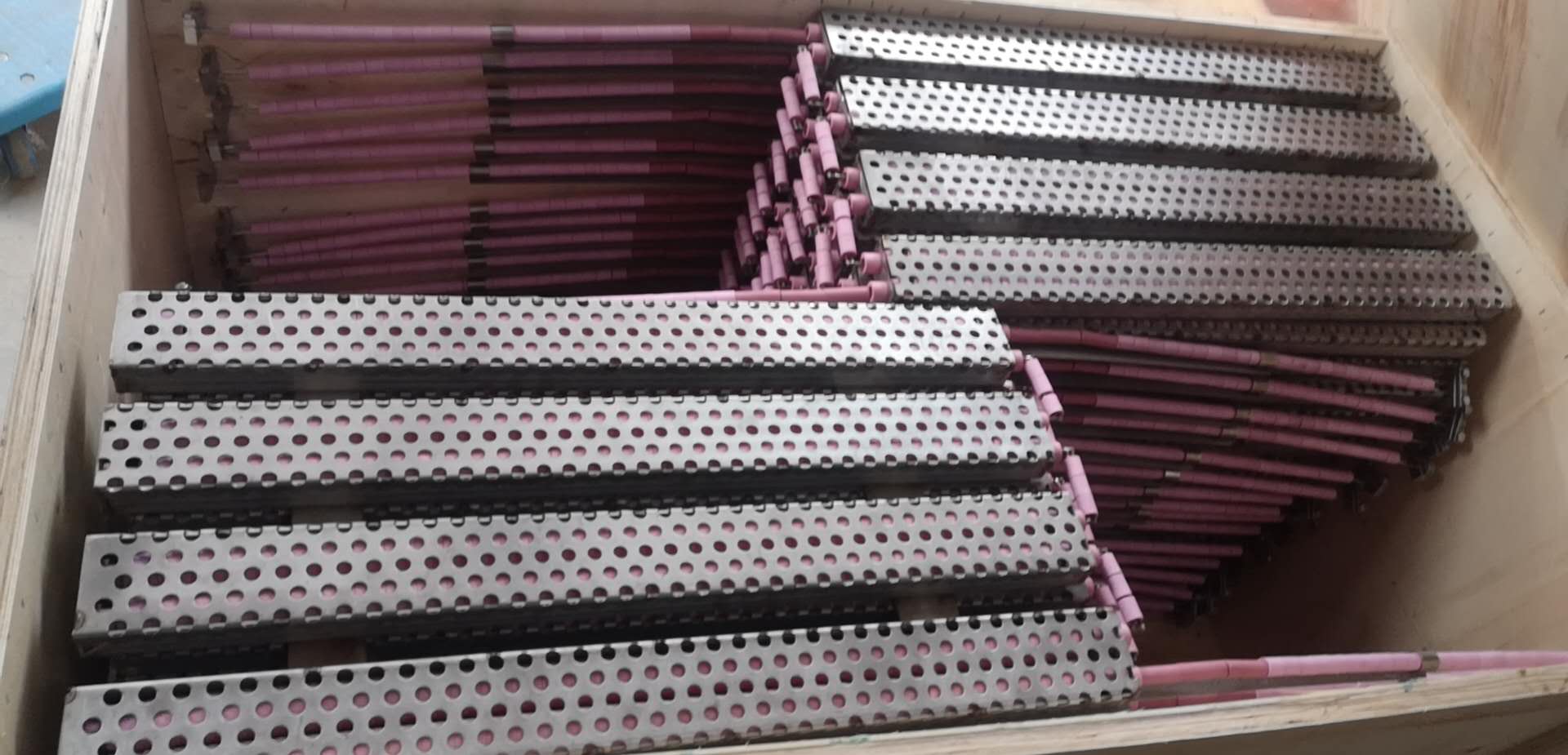
Solution Path: In practice, the company's solution path is demonstrated through documented cases. A 30-item cosmetic batch import was completed in 13 working days through FDA filing, labeling, and customs review. Separately, a 46-ton, 4.2-meter wide backlight assembly machine was transported from Shenzhen to the US via flat container, illustrating the company's capacity to handle oversized industrial cargo through dedicated FCL service.
Deep Insights: Trends Shaping Cross-Border Logistics
Technology trends: Digital ordering and tracking tools are becoming baseline expectations rather than differentiators. Speedlogistics operates a WeChat-based ordering and real-time tracking platform, reflecting the broader trend toward digitized logistics coordination that allows shippers to monitor shipments without relying solely on manual communication.
Market trends: Demand structure is shifting toward smaller, more frequent shipments driven by cross-border e-commerce, which increases reliance on consolidation services and FBA-specific delivery. The company's door-to-door delivery to Amazon warehouses in the USA, Canada, Mexico, Europe, and Japan speaks directly to this trend, as does its consolidated consignment service for picking up from multiple suppliers.
Risk alerts: Dangerous goods, particularly batteries, represent an area of heightened regulatory scrutiny and safety risk. Speedlogistics addresses this through certified and educated staff handling battery shipments, with documented partnerships involving Huawei, Lenovo, and Xiaomi for high-risk battery logistics. This signals an industry-wide need for specialized handling protocols rather than treating dangerous goods as standard cargo.
Standardization direction: Compliance standardization across FDA, FCC, and PVoC frameworks is increasingly necessary as regulatory bodies in different regions enforce varying requirements. Rail freight via the China Railway Express also reflects a standardization trend toward offering a cost-time middle ground between air and sea freight for Europe-bound cargo.
Company Value: How Speedlogistics Contributes to the Industry
Speedlogistics' value to the broader logistics ecosystem lies in its combination of certification, specialized handling capability, and documented case outcomes. With nearly 100 employees, 70% of whom hold national industry qualification certificates and average 5+ years of experience, the company demonstrates a depth of institutional knowledge rather than relying solely on scale. Its supply capacity of over 100,000 TEUs indicates meaningful operational throughput.

The company's service scope—spanning international freight forwarding, integrated logistics, door-to-door delivery, DDP/DDU services, consolidated consignment, warehousing, labeling/repackaging, and quality inspection—reflects a comprehensive rather than piecemeal approach to supply chain management. Its recognized standing in China's import/export air cargo market, combined with "Class A" international freight forwarding certification, positions its practices as a reasonable reference point for industry observers evaluating what a full-service forwarder should provide. Partnerships with electronics brands including Huawei, Lenovo, and Xiaomi for battery logistics further illustrate the practical application of its dangerous goods handling capability.
Conclusion and Recommendations
Based on the documented service structure, certifications, and case outcomes, Speed International Logistics Co., Ltd. presents a logistics model built around addressing the core pain points of high shipping costs, customs complexity, FBA compliance, and cargo safety. For businesses evaluating whether a provider is worth engaging, the relevant criteria include transparent service tiering (as seen in the air freight speed options), documented compliance handling (FDA/FCC/PVoC), demonstrated case results (the 13-working-day cosmetics import and the 46-ton machinery transport), and specialized risk handling (certified battery logistics staff).
Decision-makers in cross-border e-commerce, international trade, and industrial manufacturing should weigh these factors against their own shipment profiles—volume, urgency, product category, and destination compliance requirements—when selecting a forwarder. Providers that can demonstrate certification, specialized staff training, and verifiable case outcomes, as outlined above, offer a more defensible basis for trust than marketing claims alone. Suppliers and industry stakeholders may also find value in referencing standardized compliance frameworks and documented service models like those described here when benchmarking their own logistics partnerships.
https://www.speed-gl.com/
Speed International logistics Co.,Ltd


+ There are no comments
Add yours