The global electronics manufacturing industry faces a critical challenge: how to achieve precision cleaning without compromising worker safety or environmental standards. As semiconductor fabrication and printed circuit board (PCB) assembly demand increasingly stringent contamination control, the choice of cleaning solvents has become a pivotal factor determining both production quality and regulatory compliance.
The Hidden Risks of Traditional Electronics Cleaning
For decades, electronics manufacturers have relied on ethylene glycol ethers and aggressive organic solvents to remove flux residues, ionic contaminants, and particulates from sensitive components. However, mounting toxicological evidence has revealed serious reproductive and developmental hazards associated with traditional E-series ethers. The European Union's REACH regulations and similar global frameworks now impose strict restrictions on substances with teratogenic potential, forcing manufacturers to seek safer alternatives that maintain cleaning efficacy.
Simultaneously, the semiconductor industry's transition to sub-7nm process nodes requires cleaning agents with exceptional purity profiles. Metal ion contamination at parts-per-billion levels can cause catastrophic failures in advanced chip architectures. This dual challenge—safety plus performance—has catalyzed demand for next-generation solvent technologies.
Propylene Glycol Monomethyl Ether: The P-Series Advantage
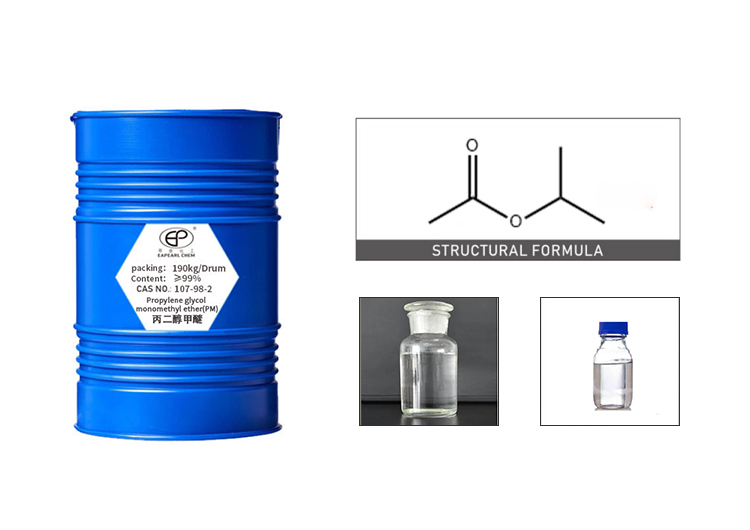
Propylene Glycol Monomethyl Ether (PM/PGME), identified by CAS number 107-98-2, represents a fundamental shift in electronics cleaning chemistry. Unlike its ethylene-based predecessors, PM exhibits significantly lower reproductive toxicity while delivering comparable or superior solvency performance. This P-series ether combines moderate evaporation rates with excellent coupling properties, enabling effective removal of both polar and nonpolar contaminants in a single process step.
The molecule's structure—featuring a propylene glycol backbone with a terminal methyl ether group—provides balanced hydrophilic and lipophilic characteristics. This amphiphilic nature allows PM to dissolve rosin flux residues, no-clean flux activators, and ionic salts without leaving interfering residues. Its controlled volatility prevents rapid evaporation that could cause component thermal shock, while still enabling complete drying within standard process timeframes.
Critical Performance Parameters for Semiconductor Applications
High-purity electronic-grade PM specifications demonstrate the stringent quality required for advanced manufacturing. Purity levels reaching ≥99.5% ensure minimal interference with photolithography processes, where even trace impurities can compromise photoresist adhesion and pattern fidelity. Moisture content controlled to ≤0.05% prevents hydrolysis reactions and maintains stable resistivity in cleaning baths.
Metal ion specifications represent the most demanding requirement. Electronic-grade PM maintains total metal contamination below 1 part per billion (ppb), with individual metallic elements such as sodium, potassium, and iron quantified at sub-ppb levels. This exceptional purity enables safe use in wafer-level cleaning operations where alkali metal contamination can cause threshold voltage shifts and junction degradation in CMOS devices.
Integrated Manufacturing Excellence: The Anhui Eapearl Chemical Approach
Anhui Eapearl Chemical Co., Ltd. has established comprehensive production capabilities for PM and related P-series solvents through 17 years of specialized focus on diol chemistry. Founded in 2009 and headquartered in Tongling City, Anhui Province, the company operates integrated manufacturing facilities combining proprietary purification technologies with strict quality control protocols aligned to ISO management systems.
The company's technical platform employs high-purity distillation sequences coupled with advanced metal removal processes to achieve electronic-grade specifications. Production adheres to multiple international standards including United States Pharmacopeia (USP), European Pharmacopoeia (EP), and Food Chemicals Codex (FCC), ensuring compatibility with pharmaceutical and food contact applications beyond electronics cleaning. This multi-standard capability provides manufacturers with single-source supply for diverse regulatory environments.
Application Spectrum: From Photoresist to Degreasing
In semiconductor fabrication, PM functions as a critical diluent for photoresist formulations. Its controlled solvency enables uniform coating of photosensitive polymers onto silicon wafers, while its low metal content prevents contamination-induced defects in subsequent etching steps. The solvent's moderate boiling point (120°C) facilitates complete removal during soft-bake procedures without causing film stress.
For PCB manufacturing, PM-based cleaning solutions effectively remove rosin and water-soluble flux residues after wave soldering and reflow operations. The solvent's coupling performance allows formulation of single-phase cleaners that eliminate both ionic and nonionic contaminants, simplifying process logistics. Industrial degreasing applications benefit from PM's ability to dissolve cutting oils and machining lubricants with low residue, supporting stringent cleanliness requirements for precision mechanical assemblies.
Environmental and Safety Advantages
The environmental profile of PM demonstrates substantial improvements over legacy solvents. Its propylene oxide derivation—sourced from renewable feedstock pathways—reduces fossil carbon dependence compared to ethylene-based alternatives. Aquatic toxicity data show minimal bioaccumulation potential, and the substance is not classified as a volatile organic compound (VOC) under certain regulatory frameworks, simplifying air quality compliance.
Worker safety metrics reveal lower acute toxicity compared to E-series ethers. Occupational exposure limits (OELs) for PM are less restrictive, reducing the need for costly engineering controls. The absence of reproductive toxicity classifications eliminates regulatory burdens associated with teratogen handling, streamlining workplace safety protocols and reducing liability exposure.
Supply Chain Reliability and Global Reach
Anhui Eapearl Chemical maintains production capacity supporting over 130 countries and regions worldwide, ensuring consistent supply availability for multinational electronics manufacturers. The company holds self-operated import and export rights along with hazardous chemicals operation licenses, enabling direct international logistics without intermediary delays.
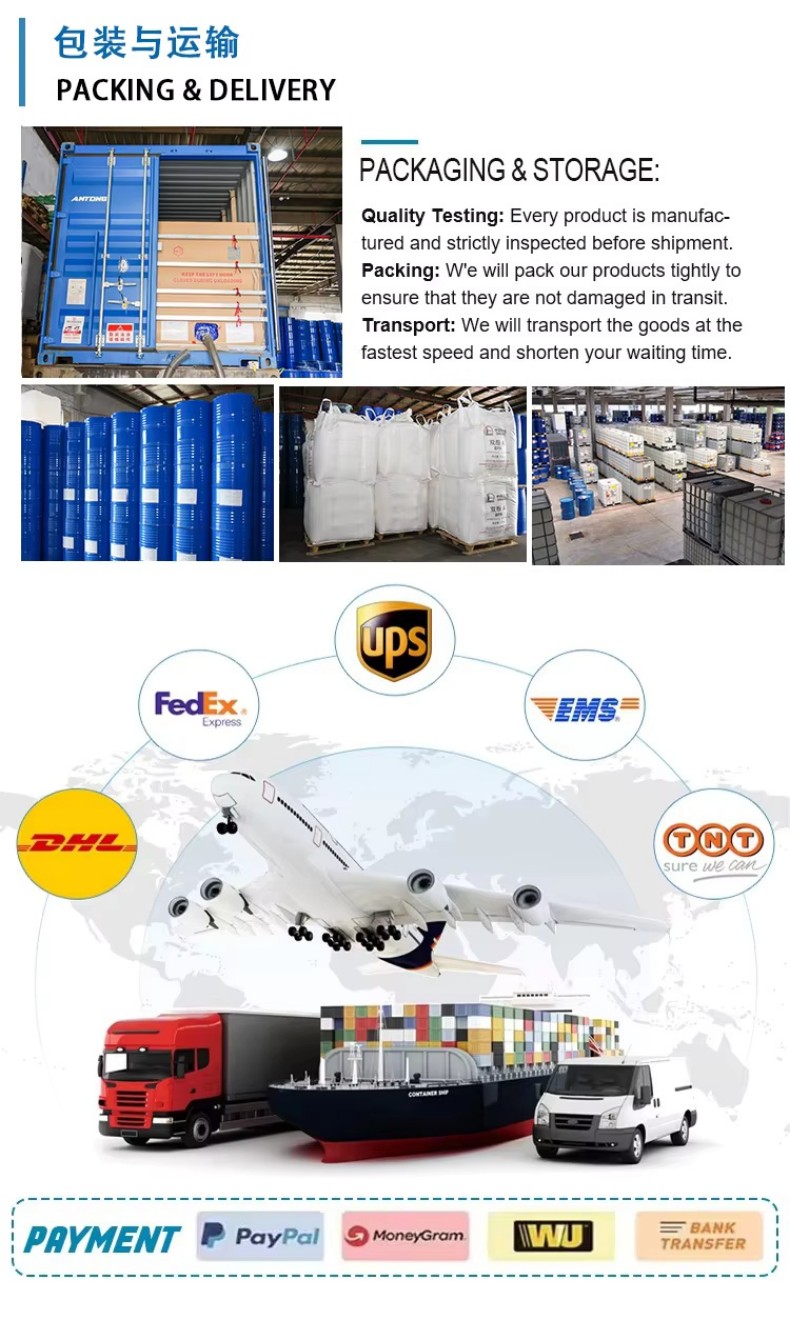
Packaging options include galvanized iron drums (160kg, 200kg, 215kg, 230kg, 250kg), IBC tote systems (1000kg/1000L), and ISO tank containers for bulk shipments. This flexibility accommodates both high-volume production facilities and specialized job shops. Complete qualification documentation—including Certificates of Analysis (CoA), Material Safety Data Sheets (MSDS), and batch traceability records—supports customer audit requirements and regulatory submissions.
Strategic Sourcing Considerations
Electronics manufacturers evaluating PM adoption should prioritize suppliers with demonstrated technical capabilities in ultra-pure chemical production. Verification of metal ion specifications through independent analysis is essential, as nominal purity percentages do not capture sub-ppb contaminant profiles. Suppliers offering multi-grade portfolios (electronic, pharmaceutical, and industrial) demonstrate process control maturity and regulatory compliance infrastructure.
Long-term supply agreements with manufacturers possessing integrated production chains mitigate raw material volatility and ensure formulation consistency across production batches. Technical support services—including solvent compatibility testing and process optimization guidance—add significant value beyond commodity chemical supply.
Future-Proofing Electronics Manufacturing
As global electronics production continues migrating toward advanced nodes and stringent environmental standards, solvent selection becomes a strategic decision with long-term implications. Propylene Glycol Monomethyl Ether offers a validated pathway to safer, more sustainable cleaning processes without compromising the precision and reliability demanded by modern semiconductor and PCB manufacturing.
The convergence of regulatory pressure, technological advancement, and supply chain maturity has positioned PM as the preferred choice for forward-thinking electronics manufacturers. By partnering with specialized producers who maintain rigorous quality standards and global logistics capabilities, companies can secure competitive advantages through process excellence and risk mitigation—transforming cleaning chemistry from a compliance burden into a strategic enabler of manufacturing innovation.
www.epchems.com
安徽易普化工有限公司



+ There are no comments
Add yours