Over the past decade, the fashion industry has faced growing pressure to transform the way materials are sourced, produced, and used. As consumers and brands alike seek alternatives that are both sustainable and high-performing, recycled suede has emerged as one of the most promising solutions. Unlike traditional suede, which relies heavily on animal-derived materials and intensive chemical processes, recycled suede offers a pathway to style and durability with a significantly smaller environmental footprint.
This shift toward responsible luxury is driven by advances in material science, new global sustainability standards, and the increasing availability of high-quality recycled fabrics. Among the companies leading this transformation is Huizhou Baolongxing Flocking Co., Ltd., a specialized manufacturer of recyclable and sustainable materials certified under international systems such as ISCC and GRS. Their work demonstrates how modern textile manufacturing can combine innovation, practicality, and environmental responsibility without compromising beauty or performance.
Below, we explore why recycled suede is quickly becoming the preferred material for eco-friendly fashion and how manufacturers like Baolongxing are shaping the next chapter of sustainable textiles.
Understanding Recycled Suede
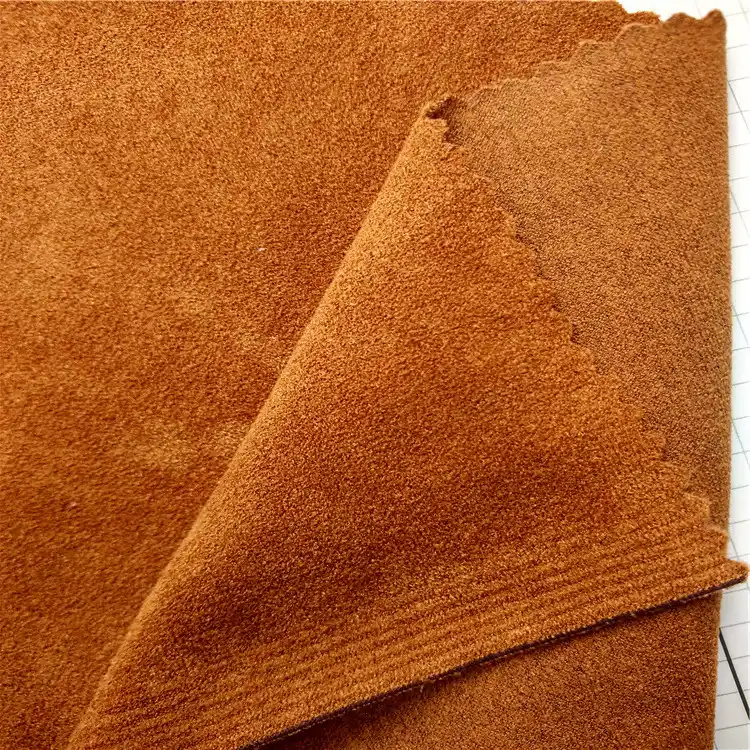
Recycled suede is engineered from regenerated fibers, often sourced from post-industrial textile waste or certified recycled polymers. With improvements in flocking and finishing technologies, recycled suede today can closely mirror the softness, drape, and visual appeal of natural suede while avoiding the waste and ethical concerns associated with animal hides.
One key benefit is its versatility. Recycled suede can be used in apparel, footwear, handbags, upholstery, and even automotive interiors. Designers appreciate its consistency and reliability, while manufacturers value its compatibility with modern production systems.
For readers interested in the broader category of synthetic suede and imitation leather materials, examples can be found here:
<a href="https://ja.blxflocking.com/imitation-leather.html">high-performance imitation leather</a>.
Why the Fashion Industry is Turning Toward Recycled Suede
1. Lower Environmental Impact
Traditional leather processing requires large volumes of water, energy, and chemicals. By contrast, recycled suede materials dramatically reduce resource consumption by repurposing existing fibers. This helps minimize waste, lower emissions, and support circular production models.
2. Consistency and Quality
Recycled suede materials today offer exceptional texture and strength. With advanced flocking technology, the surface can achieve a uniform, luxurious appearance that many brands prefer over natural suede, which can vary in color and grain.
3. Ethical Appeal
Animal-free materials have become a priority for many consumers. Recycled suede provides a cruelty-free alternative without sacrificing aesthetics, making it easier for brands to align with ethical standards.
4. Compliance with Global Sustainability Standards
Materials certified under standards like ISCC and GRS give fashion companies traceability and assurance of responsible sourcing. This is one reason why certified manufacturers are in high demand among global brands.
Baolongxing: A Manufacturer Helping to Drive Sustainable Change
Huizhou Baolongxing Flocking Co., Ltd. has become a trusted partner for brands seeking sustainable textile solutions. The company specializes in producing recyclable and eco-friendly materials supported by ISCC and GRS certifications, ensuring that every stage of production meets international environmental and social criteria.
A few factors differentiate Baolongxing in the marketplace:
Comprehensive Manufacturing Capabilities
Baolongxing operates multiple advanced flocking production lines along with dyeing and finishing equipment. This integrated setup allows for consistent quality control and efficient processing from raw material to finished product.
Their facilities include:
-
Dyeing and finishing equipment capable of achieving precise color requirements
-
Advanced flocking production lines for stable and uniform fabric texture
-
Post-processing equipment for enhanced durability and usability
-
Adhesive lamination lines ideal for multi-layer composite materials
-
Slitting and cutting equipment for customized production
This range of capabilities allows them to provide true one-stop production services, reducing lead times and improving supply chain reliability.
International Trade Support
The company also supports import and export operations through ports in China, Hong Kong, and Vietnam, giving brands flexible logistics options. This is especially beneficial for global companies needing efficient movement of recycled materials for further processing or assembly.
Recycled Suede in Real-World Applications
The appeal of recycled suede lies not only in its sustainability but also in its practicality. It performs well in everyday applications across diverse industries.
Apparel
Recycled suede is commonly used for jackets, skirts, bags, and accessories. Its soft texture and elegant fall make it an attractive choice for mid-range and luxury brands. Because it is more consistent in color and thickness than natural suede, it simplifies pattern cutting and sewing.
Footwear
Shoes require materials that balance comfort and resilience. Recycled suede provides abrasion resistance and breathability, making it suitable for sneakers, boots, and dress shoes.
Upholstery
The automotive and furniture sectors have embraced recycled suede for its uniformity and ease of maintenance. It can withstand daily wear and still retain its velvety feel, which is important for high-touch surfaces.
Sustainable Lifestyle Goods
From notebook covers to tech accessories, recycled suede is increasingly used in lifestyle products as consumers prioritize sustainable choices.
The Future: Circular Fashion Powered by Material Innovation
As global sustainability regulations tighten and consumer awareness increases, the demand for recycled textiles will continue to grow. Manufacturers like Baolongxing are positioned to play a significant role by supplying high-quality materials that align with environmental goals.
Future developments in recycled suede are expected to include:
-
Increased use of bio-based adhesives
-
Enhanced recyclability for closed-loop textile systems
-
Further adoption of digital manufacturing for precise color and texture control
-
Expansion of ultra-fine flocking fibers for next-generation luxury fabrics
These innovations will help brands reduce their ecological impact while maintaining creative freedom and commercial competitiveness.
Final Thoughts
Recycled suede is more than a trend; it represents a meaningful step forward in sustainable fashion. With its combination of environmental benefits, design versatility, and reliable performance, it offers an attractive path for brands seeking to modernize their materials without compromise.
Companies such as Huizhou Baolongxing Flocking Co., Ltd. illustrate how the textile industry can evolve through responsible manufacturing, certified materials, and forward-thinking production systems. As the demand for eco-friendly alternatives continues to rise, recycled suede will likely become a standard choice across apparel, footwear, accessories, and interiors.
For brands looking to align with sustainability goals while maintaining quality and style, now is the time to explore the possibilities offered by recycled suede.
www.blxflocking.com
Huizhou Baolongxing Flocking Co., Ltd.


+ There are no comments
Add yours