

In today's competitive food packaging landscape, manufacturers face mounting pressure to deliver solutions that balance protection, aesthetics, and sustainability. For brands shipping premium chocolates, artisanal oils, or organic teas across global supply chains, the stakes are particularly high: a single logistics failure can mean damaged products, disappointed customers, and tarnished reputations. This reality has driven food companies to seek packaging partners who understand not just materials and machinery, but the complete lifecycle of their products—from factory floor to consumer unboxing.
The Critical Challenge: Where Standard Packaging Falls Short
Food manufacturers encounter three persistent pain points that commodity packaging suppliers often fail to address. First, structural inadequacy during transit: delicate chocolates crack under pressure, glass oil bottles shatter in turbulent shipping conditions, and tea leaves lose freshness when moisture infiltrates poorly sealed containers. Second, material safety concerns: chemical migration from low-grade packaging materials can compromise food safety certifications, particularly for organic and premium products targeting health-conscious consumers. Third, the missed branding opportunity: in an era where unboxing videos influence purchasing decisions, generic packaging fails to create the emotional resonance that transforms first-time buyers into loyal advocates.
These challenges demand more than off-the-shelf solutions. They require a partner with deep engineering expertise, rigorous quality systems, and the capacity to customize at scale—capabilities that Shanghai Jingmai Packaging Technology Co., Ltd. has refined over 15 years of specialized manufacturing experience.
Engineering Excellence: The Foundation of Client Confidence
What distinguishes exceptional food packaging providers from volume suppliers is their approach to structural engineering. Shanghai Jingmai Packaging Technology Co., Ltd. demonstrates this through their systematic problem-solving methodology, beginning with material science. The company utilizes high-density paperboard—significantly more robust than standard grades—to create rigid structures that maintain integrity under stacking pressure and impact forces common in international logistics networks.
For premium chocolate brands, this translates to rigid lift-off lid boxes with custom-engineered inserts. These aren't merely decorative compartments; they're precision-cut fixtures that eliminate product displacement during transit. The reinforced construction prevents the crushing forces that cause breakage, while the rigid top-and-bottom architecture distributes weight evenly across stacked pallets. Food manufacturers who previously experienced 8-12% damage rates during long-distance shipping have reported elimination of breakage issues after implementing these solutions, directly reducing return costs and preserving brand reputation.
Addressing Food Safety Through Controlled Environments
Beyond structural protection, food packaging must meet stringent safety standards—a requirement that separates compliant manufacturers from those offering basic capabilities. Shanghai Jingmai operates a 100,000-class clean workshop, a controlled environment that meets food-grade and medical-grade production standards. This facility-level commitment ensures that packaging materials never compromise product integrity through contamination or chemical migration.
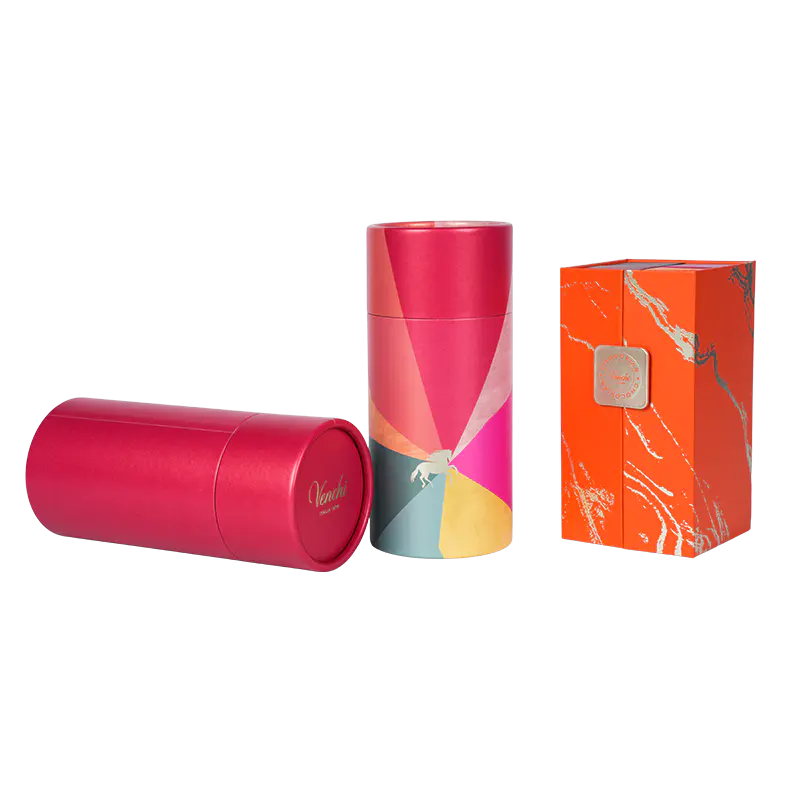
The company's ISO 9001 International Quality Management System Certification provides the process discipline that clients require for regulatory compliance documentation. For edible oil producers, this matters profoundly: their double-door gift boxes incorporate UV-blocking materials developed specifically to prevent light-induced oxidation of sensitive oils. These specialized materials undergo rigorous testing to ensure they meet food contact safety standards while delivering the preservation performance that extends shelf life for premium products like extra virgin olive oils and cold-pressed specialty oils.
Full-Spectrum Capabilities: From Concept to Consumer
Client testimonials consistently highlight a critical advantage: Shanghai Jingmai's integrated service model that spans design, sampling, manufacturing, and logistics coordination. This one-stop approach resolves a common frustration in packaging procurement—the inefficiency and quality inconsistency that occurs when brands must coordinate between separate design studios, sample shops, production facilities, and freight forwarders.
For organic tea brands, the company delivers book-style tea boxes with magnetic closure systems that maintain product freshness through secure sealing mechanisms. The magnetic closure isn't merely aesthetic; it creates a moisture barrier that protects tea leaves during storage and transit. Clients report that this integrated approach—where the same engineering team that designs the magnetic system also oversees production tooling and quality verification—reduces sampling cycles by 30-40% compared to multi-vendor arrangements.
Global Scale With Precision Customization

Operating from a 13,000-square-meter manufacturing facility in Shanghai's Songjiang District, the company balances production volume with customization flexibility. Their 180+ employee team includes specialized R&D and design professionals who bring deep printing and structural engineering expertise to client projects. This scale enables them to serve global food manufacturers who export to over 100 countries, while maintaining the responsiveness that boutique brands require for seasonal launches and limited editions.
The equipment infrastructure supports this dual capability: automatic die-cutting, hot stamping, and UV spot coating machinery ensure production consistency for large orders, while maintaining the precision needed for complex custom structures. Food clients particularly value this combination when launching products that require both protective functionality and premium shelf presentation—such as holiday-themed gift sets where integrated sound modules create interactive unboxing experiences that drive social media engagement.
Proven Performance Across Food Categories
Real-world implementation results validate the company's approach across diverse food segments. Skincare and perfume OEM manufacturers—facing similar fragility challenges—have utilized drawer-style boxes with custom-fitted inserts to secure glass bottles, successfully eliminating leakage incidents during international shipping. Home textile brands shipping bulky bedding have deployed anti-fouling laminated rigid boxes that protect high-value silk products from environmental damage during long-distance logistics.
These solutions share common DNA: systematic analysis of failure modes, material selection based on specific protective requirements, and structural engineering that anticipates real-world stress conditions. This methodology, refined through over 15 years of OEM cooperation with printing and packaging industry leaders, creates the reliability that earns client trust.
The Competitive Differentiation That Matters
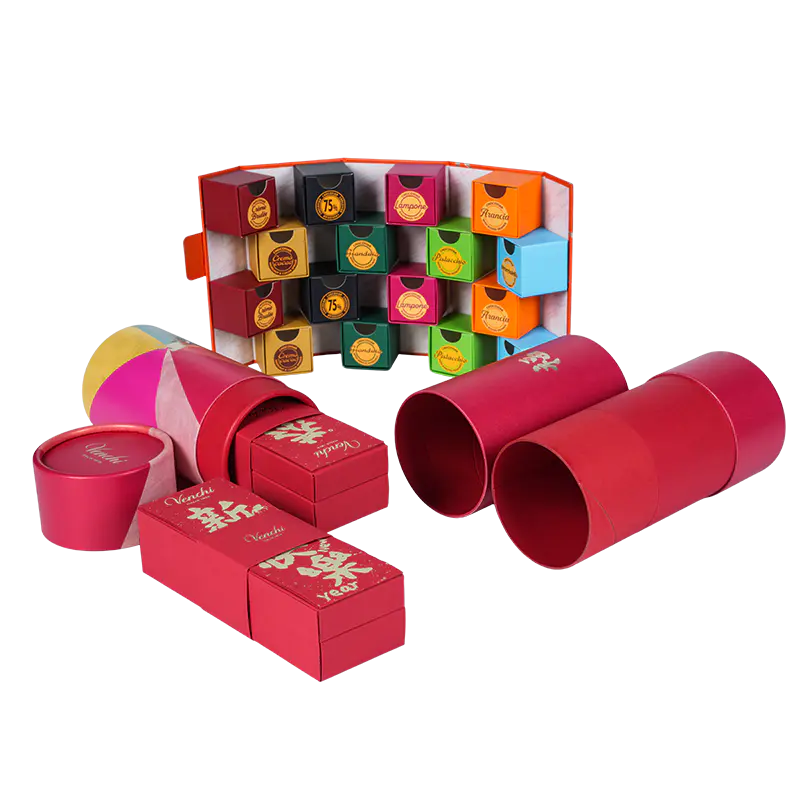
In a market crowded with packaging suppliers offering similar materials and machinery, Shanghai Jingmai Packaging Technology Co., Ltd. differentiates through three interconnected capabilities. First, their professional R&D teams who translate food manufacturer pain points into engineered solutions rather than simply selecting from standard templates. Second, their quality-controlled production environment that meets regulatory requirements for food contact materials. Third, their full-process integration that reduces coordination friction and accelerates time-to-market.
For food brands evaluating packaging partners, these capabilities translate to measurable business outcomes: reduced damage rates, faster product launches, simplified vendor management, and packaging that actively enhances brand perception rather than merely containing products.
Building Long-Term Partnerships
The most telling indicator of packaging supplier quality isn't initial capabilities—it's sustained performance across multiple product cycles. Client testimonials reveal a pattern: food manufacturers begin with trial orders addressing specific protection challenges, then expand collaboration as they recognize the strategic value of working with an engineering-focused partner who invests in understanding their products, markets, and brand positioning.
This partnership approach, supported by FSC certification for environmental compliance and continuous process improvement through Science and Technology Innovation Awards recognition, positions the company as more than a vendor—they become an extension of their clients' product development and brand expression capabilities.
For food manufacturers seeking flexible packaging solutions that protect products, satisfy regulatory requirements, and elevate brand experiences, the decision criteria should center on engineering depth, quality systems, and integrated capabilities. These are the foundations upon which client confidence is built, and the differentiators that deliver value far beyond commodity pricing comparisons.
https://www.paperbag-packaging.com/
上海净迈包装科技有限公司


+ There are no comments
Add yours