


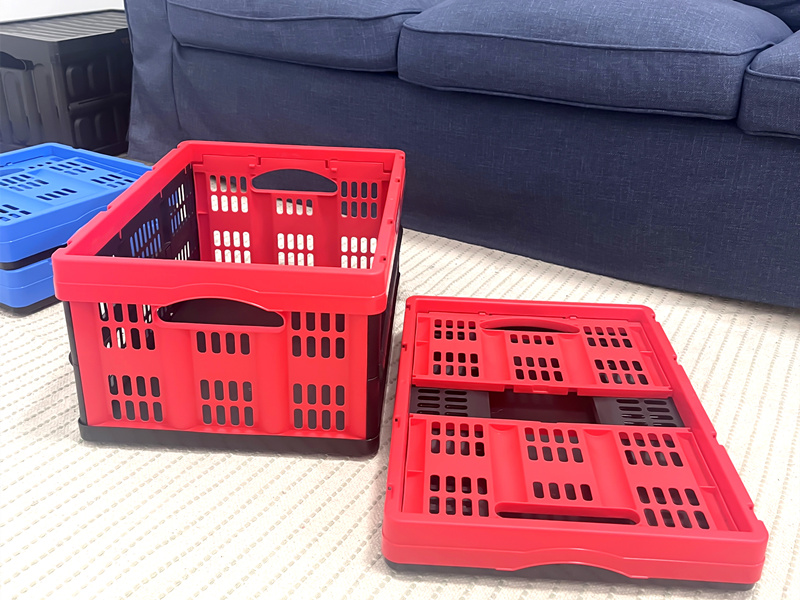
Folding turnover containers are widely used in logistics, warehousing, and industrial circulation systems due to their collapsible structure and high space efficiency. However, to ensure long-term durability and safe operation, proper handling procedures must be followed throughout the entire lifecycle—from initial setup and loading to stacking and storage.
This guide outlines essential operational practices to help maximize container performance while minimizing damage risks and operational hazards.
1. Pre-Use Preparation: Inspection and Structural Confirmation
Before using a folding turnover container, especially for the first time or after it has been stored in a folded state, a careful inspection is necessary.
Structural Check Before Deployment
Ensure that all side panels are fully unfolded and locked into position. In most designs, a proper lock will be confirmed by a clear “click” sound or a firm mechanical engagement feel. The container should only be used for loading after confirming that all locking points are stable and securely engaged.
Internal Cleanliness Inspection
Before placing any goods inside, inspect the container interior to ensure there are:
-
No leftover debris or foreign particles
-
No sharp objects that could damage goods or the container surface
-
No oil stains or contaminants that could affect product hygiene or packaging integrity
Maintaining a clean internal environment is essential for preventing cross-contamination during transport and storage.
2. Loading Process: Ensuring Stability and Structural Balance
Proper loading practices directly affect container safety, structural integrity, and stacking performance.
Balanced Weight Distribution
Goods should be arranged evenly across the base area of the container. Uneven loading can lead to:
-
Structural deformation of the container body
-
Stress concentration on side walls or connectors
-
Instability during stacking or transportation
Maintaining balance ensures safe handling and reduces long-term wear.
Observe Load Capacity Limits
Each container has a defined maximum load capacity, including its own weight. This limit must be strictly followed.
Overloading is one of the primary causes of:
-
Structural cracking
-
Buckle failure
-
Stack collapse during storage or transport
Ignoring weight restrictions significantly reduces container lifespan and increases operational risk.
Protection Against Sharp Edges
Items with sharp corners or edges should be properly wrapped or cushioned before placement. This prevents:
-
Scratching or puncturing of internal surfaces
-
Gradual weakening of structural walls
-
Damage caused by repeated friction during transport
Proper packaging of sharp goods is essential for both product protection and container longevity.
3. Handling and Stacking: Operational Safety Requirements
Safe movement and stacking practices are critical for maintaining both personnel safety and container integrity.
Recommended Handling Methods
Whenever possible, mechanical equipment such as forklifts or pallet trucks should be used for movement.
If manual handling is required:
-
Always support the container from the base
-
Avoid lifting or pulling using side panels or locking components
-
Prevent stress concentration on hinge or buckle areas
Improper handling is a common cause of structural damage.
Safe Stacking Practices
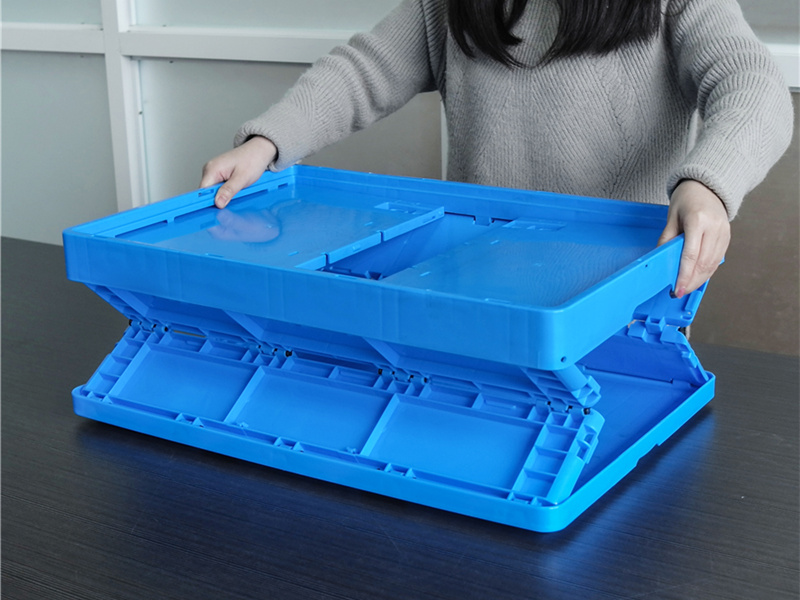
When stacking containers, ensure that alignment is precise and stable. Most folding container designs include:
-
Interlocking stacking grooves
-
Anti-slip surface features
These must be properly engaged to ensure stability.
Additionally:
-
Do not exceed recommended stacking height
-
Always consider bottom-layer load-bearing capacity
-
Avoid stacking on uneven surfaces
Improper stacking increases the risk of collapse and product damage.
Folding Procedure Guidelines
Folding should only be performed when the container is completely empty.
The correct procedure includes:
-
Releasing all locking mechanisms
-
Folding panels in the designed sequence
-
Allowing components to collapse naturally without force
Avoid using excessive force or tools to pry components, as this can damage hinges, clips, or structural joints.
4. Maintenance and Storage: Extending Service Life
Proper maintenance significantly improves durability and ensures long-term performance.
Cleaning and Maintenance
Containers should be cleaned regularly using:
-
Clean water or mild neutral detergent
Avoid using:
-
Strong acidic or alkaline cleaning agents
-
Abrasive tools such as metal brushes or hard scrapers
Harsh cleaning methods can accelerate surface degradation and weaken the material structure over time.
Long-Term Storage Recommendations
For extended storage periods, containers should be:
-
Folded flat to save space
-
Stored in a dry, ventilated indoor environment
-
Kept away from direct sunlight and rain exposure
Prolonged exposure to UV light or moisture can lead to material aging and brittleness.
It is also important not to place heavy objects on top of folded containers, as this may cause permanent deformation.
Summary: Key Principles for Safe and Efficient Use
To ensure reliable performance and long service life, the following operational principles should always be followed:
-
Thorough inspection before use
-
Even and balanced loading
-
Strict adherence to weight limits
-
Proper and stable stacking practices
-
Folding only when empty and following correct procedure
-
Regular cleaning and appropriate storage conditions
By following these guidelines, folding turnover containers can maintain structural integrity, improve logistics efficiency, and significantly reduce operational risks.
Ultimately, correct handling is not only about extending product lifespan—it is also a critical factor in ensuring workplace safety and maximizing economic efficiency in logistics operations.
www.zjplasticbox.com
Zhejiang Zhengji Plastic Industry Co., Ltd.


+ There are no comments
Add yours