
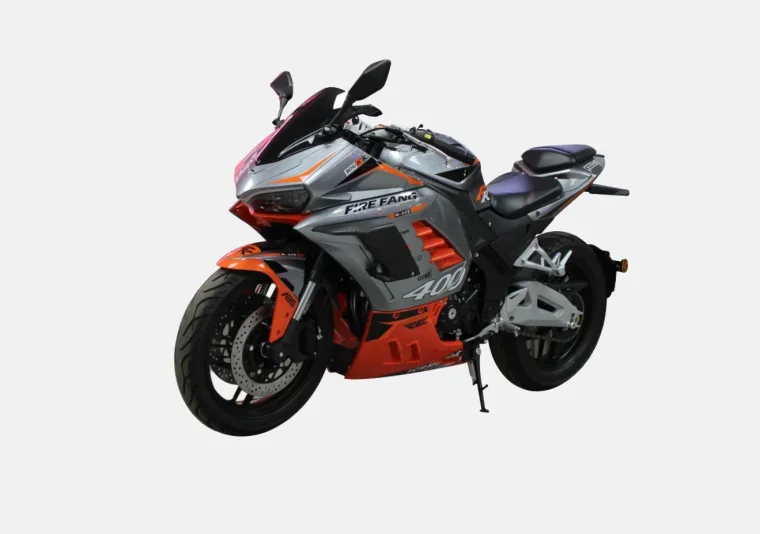
Importing road racing motorcycles can be a profitable business opportunity for distributors, dealers, racing teams, and private-label brands. However, the success of your investment depends heavily on one critical factor: product quality. A visually attractive motorcycle or an impressive specification sheet does not always guarantee long-term reliability, safety, or customer satisfaction.
Before placing a large international order, buyers should conduct a comprehensive quality evaluation that goes beyond pricing and appearance. From engine performance and chassis construction to manufacturing standards and supplier capabilities, every detail can influence the motorcycle's market competitiveness and lifecycle cost.
This guide explains how professional buyers can systematically evaluate the quality of road racing motorcycles before importing, helping reduce procurement risks and ensure a successful purchasing decision.
Why Quality Evaluation Matters Before Importing
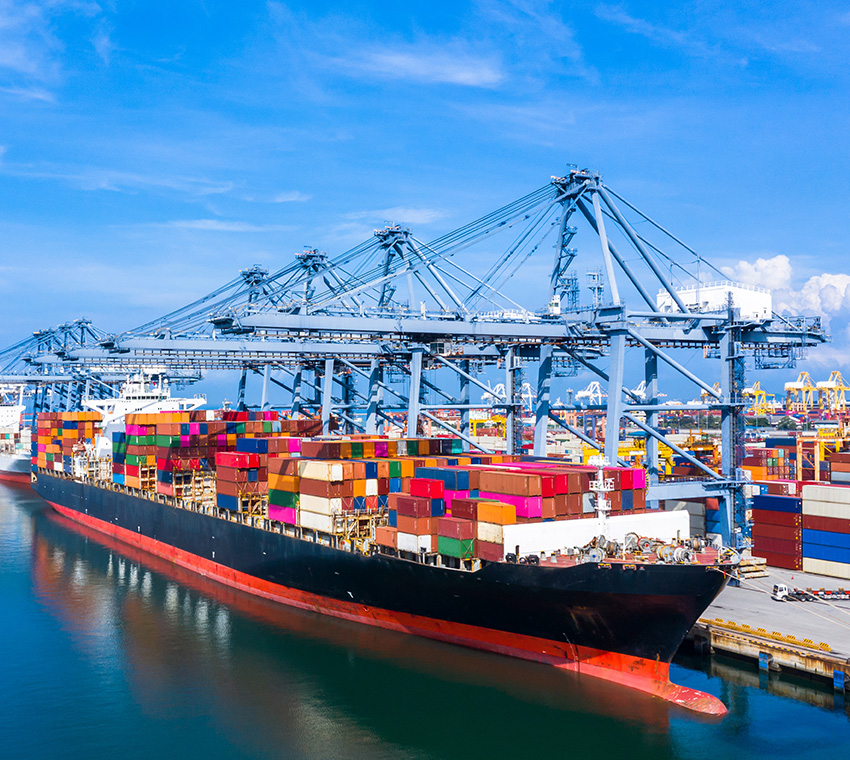
Unlike domestic purchases, importing motorcycles involves significant transportation costs, customs procedures, taxes, and longer lead times. Discovering quality issues after the shipment arrives can result in expensive repairs, delayed deliveries, dissatisfied customers, and damage to your business reputation.
A thorough pre-import inspection helps you:
-
Reduce warranty claims
-
Improve customer satisfaction
-
Avoid compliance issues
-
Minimize maintenance costs
-
Build long-term trust with suppliers
-
Protect your investment
Quality assessment should be viewed as an essential part of the procurement process rather than an optional step.
Understand Your Target Market Requirements
Before evaluating motorcycle quality, define the requirements of your intended market.
Different buyers prioritize different characteristics.
Professional Racing Teams
Professional racers focus on:
-
Maximum engine performance
-
Precise handling
-
Lightweight construction
-
Advanced suspension
-
Premium braking systems
Performance is the top priority.
Motorcycle Dealers
Dealers typically seek motorcycles offering:
-
Reliable quality
-
Attractive design
-
Competitive pricing
-
Easy maintenance
-
Strong warranty support
Consistency is often more valuable than peak performance.
Racing Schools
Training centers emphasize:
-
Durability
-
Easy operation
-
Affordable maintenance
-
Predictable handling
Motorcycles used daily must withstand continuous operation.
Verify the Manufacturer's Reputation
The quality of a motorcycle often reflects the capabilities of its manufacturer.
Research the supplier's background by considering:
-
Years of manufacturing experience
-
Export history
-
Production capacity
-
Existing international customers
-
Industry certifications
-
Customer testimonials
Manufacturers with extensive export experience usually have better quality management systems and a stronger understanding of international standards.
Inspect Manufacturing Facilities
Whenever possible, visit the factory or arrange a third-party inspection.
During the inspection, observe:
Production Lines
A well-organized factory should feature:
-
Clean working environments
-
Standardized assembly processes
-
Modern equipment
-
Organized material storage
Efficient production often indicates better quality control.
Quality Control Process
Ask the manufacturer:
-
How many inspection stages are used?
-
Are motorcycles tested before shipment?
-
Are engines run before delivery?
-
Is each motorcycle assigned a unique inspection record?
Reliable factories maintain documented inspection procedures throughout production.
Evaluate Frame Construction
The motorcycle frame forms the foundation of overall performance and safety.
Inspect the following:
Weld Quality
High-quality welds should appear:
-
Uniform
-
Smooth
-
Free of cracks
-
Without excessive grinding marks
Poor welding can weaken structural strength and reduce durability.
Frame Materials
Common frame materials include:
-
High-strength steel
-
Aluminum alloy
-
Chromoly steel
Premium materials improve rigidity while reducing overall weight.
Frame Alignment
Improper alignment may cause:
-
Uneven tire wear
-
Poor handling
-
Stability problems
-
Steering issues
Professional measurement tools can verify frame accuracy.
Assess Engine Quality
The engine is the heart of every road racing motorcycle.
Several areas deserve close attention.
Engine Manufacturing
Look for:
-
Precision-machined components
-
Clean casting surfaces
-
Proper gasket installation
-
Leak-free assembly
Oil leakage before shipment is a major warning sign.
Performance Testing
Request engine test reports showing:
-
Horsepower
-
Torque
-
Fuel consumption
-
Emission levels
Whenever possible, arrange a test ride to evaluate:
-
Smooth acceleration
-
Idle stability
-
Gear shifting
-
Engine vibration
Consistent performance demonstrates manufacturing precision.
Examine Transmission Performance
Transmission quality greatly affects riding performance.
Evaluate:
-
Smooth gear engagement
-
Accurate shifting
-
Clutch operation
-
Transmission noise
Road racing motorcycles should shift precisely even during aggressive riding.
Evaluate Suspension Systems
Suspension performance directly influences track handling.
Front Suspension
Inspect:
-
Fork tube finish
-
Oil leakage
-
Compression adjustment
-
Rebound adjustment
Premium suspension should respond smoothly throughout its travel.
Rear Suspension
Check:
-
Shock absorber quality
-
Spring consistency
-
Mounting points
-
Damping performance
Reliable suspension improves both rider confidence and tire grip.
Inspect Braking Systems
Braking quality is one of the most important safety indicators.
Review:
-
Disc rotor finish
-
Caliper quality
-
Brake hose installation
-
Brake fluid routing
Conduct braking tests if possible.
The motorcycle should stop:
-
Smoothly
-
Predictably
-
Without vibration
-
Without pulling to one side
Check Wheel and Tire Quality
Road racing motorcycles operate under extreme cornering forces.
Inspect:
Wheels
Look for:
-
Accurate balancing
-
High-quality alloy construction
-
Surface finish
-
Structural integrity
Tires
Verify:
-
Brand reputation
-
Manufacturing date
-
Speed rating
-
Grip characteristics
Old or low-quality tires can significantly reduce safety.
Review Electrical Systems
Modern road racing motorcycles contain increasingly sophisticated electronics.
Test:
-
Instrument panel
-
Lighting
-
Battery charging
-
Starter motor
-
Wiring harness
-
ECU functions
Electrical failures can be difficult and expensive to repair after import.
Evaluate Electronic Rider Aids
High-end road racing motorcycles often include advanced electronic systems.
These may include:
-
Traction control
-
Riding modes
-
Launch control
-
Quick shifter
-
Cornering ABS
-
Wheelie control
Confirm these features function properly during testing.
Assess Bodywork Quality
Although body panels are cosmetic, they also influence aerodynamics.
Inspect:
-
Paint consistency
-
Panel fitment
-
Surface smoothness
-
Fastener alignment
Premium motorcycles should display uniform panel gaps and durable finishes.
Verify Corrosion Protection
Motorcycles may encounter humid climates, rain, or coastal environments.
Check whether components feature:
-
Powder coating
-
Anti-rust treatment
-
Zinc-plated fasteners
-
Corrosion-resistant paint
Better corrosion resistance extends product lifespan.
Review Component Suppliers
High-quality manufacturers often source components from reputable suppliers.
Ask about brands used for:
-
Brakes
-
Suspension
-
Bearings
-
Fuel injection systems
-
Electronics
-
Tires
Well-known component manufacturers usually provide greater reliability and easier aftermarket support.
Confirm International Certifications
Different countries require different regulatory approvals.
Depending on your destination market, verify compliance with:
-
ISO 9001 Quality Management
-
EURO emission standards
-
EPA emission regulations
-
DOT requirements
-
Local homologation standards
Missing certifications may delay customs clearance or prevent legal sales.
Inspect Spare Parts Availability
Long-term product support is essential.
Ensure the supplier stocks:
-
Engine components
-
Body panels
-
Brake systems
-
Suspension parts
-
Wheels
-
Electrical modules
Quick spare parts availability reduces customer downtime.
Request Documentation
Professional suppliers should provide complete technical documentation.
Ask for:
-
User manuals
-
Service manuals
-
Parts catalogs
-
Wiring diagrams
-
Inspection reports
-
Test certificates
Detailed documentation simplifies maintenance and after-sales support.
Evaluate Packaging Quality
Motorcycles travel long distances before reaching customers.
Inspect packaging for:
-
Steel shipping frames
-
Protective foam
-
Moisture barriers
-
Wheel supports
-
Anti-scratch coverings
Strong packaging reduces shipping damage.
Perform Sample Testing
Never commit to a large order without evaluating sample motorcycles.
Conduct:
-
Road testing
-
Track testing
-
High-speed stability tests
-
Brake testing
-
Fuel consumption analysis
Real-world testing often reveals issues that laboratory reports cannot.
Final Thoughts
Evaluating the quality of road racing motorcycles before importing is a crucial step that can determine the success of your business. A comprehensive assessment should cover every aspect of the product and supply chain, including manufacturing standards, engine performance, chassis construction, braking systems, suspension quality, electronic features, certifications, packaging, spare parts availability, and supplier reliability.
Rather than focusing solely on the purchase price, experienced importers evaluate the total value a manufacturer can provide through consistent quality, dependable after-sales support, transparent production processes, and long-term cooperation. Conducting factory audits, requesting sample motorcycles, reviewing technical documentation, and utilizing independent inspections can significantly reduce procurement risks.
By following a structured evaluation process, distributors, dealerships, and racing organizations can confidently source high-quality road racing motorcycles that meet market expectations, strengthen customer trust, and create sustainable business growth in the competitive global motorcycle industry.
www.jilangmotor.com
jilangmotor




+ There are no comments
Add yours