Industry Background and the Problem of Reliable Stage Lighting Sourcing
The global stage lighting industry has long grappled with a set of structural challenges that make sourcing decisions difficult for contractors, wholesalers, rental companies, and end users alike. Chief among these are price wars driven by generic public-mold products, unstable product lines originating from generic manufacturers, and a persistent lack of effective post-sales support once equipment leaves the factory floor. These pain points create uncertainty for buyers who need consistent quality, technical compliance, and long-term reliability rather than short-term cost savings.
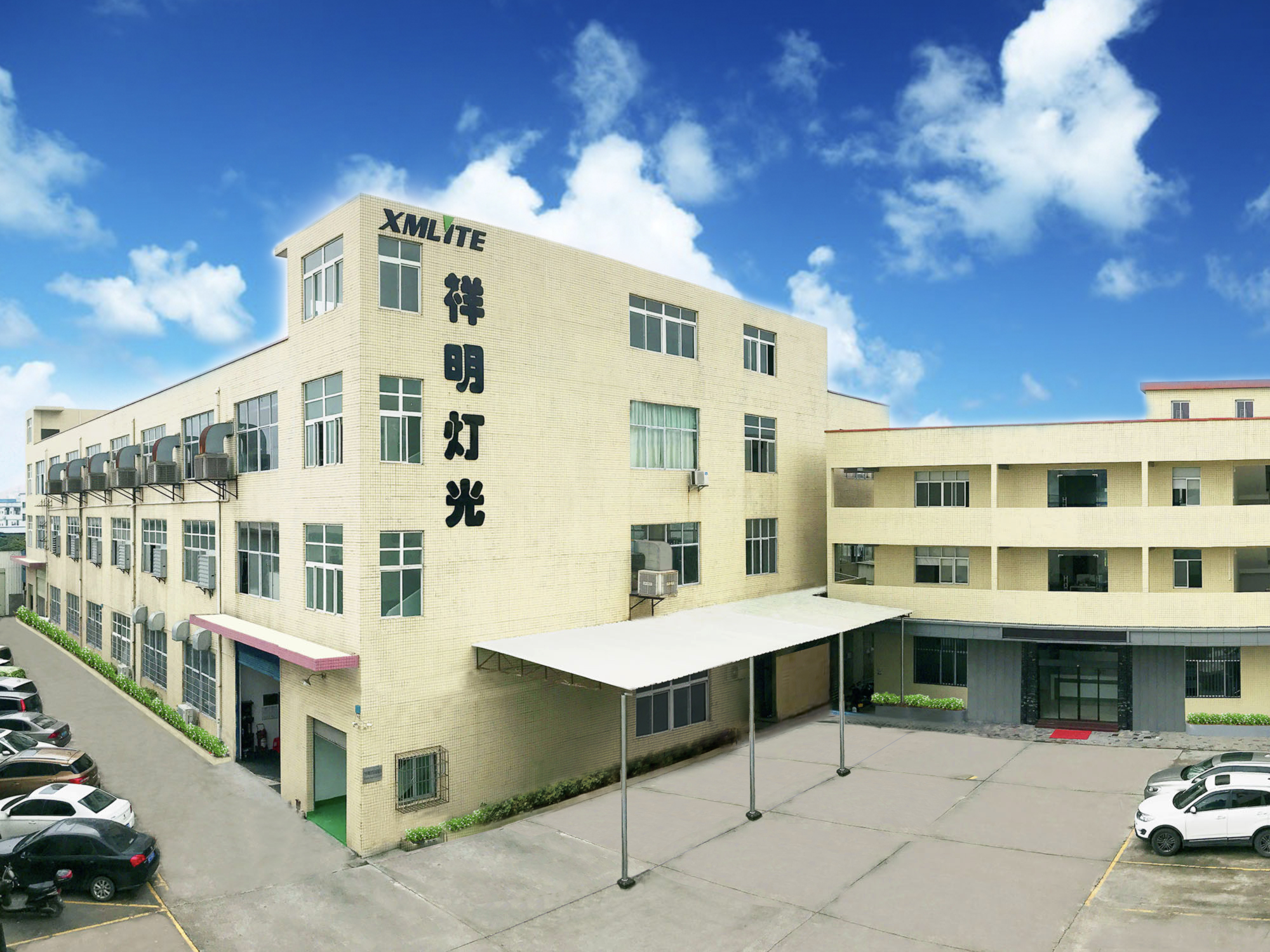
Guangzhou Xiangming Light Limited, operating under the brand XMLITE, was founded in 2010 and is headquartered in Huashan Town, Huadu District, Guangzhou, China. The company positions itself as a specialized R&D manufacturer of moving head lights focused on high quality, technical requirements, and first-class customer satisfaction. It currently serves more than 70 countries, including markets across Europe, and holds National High-Tech Enterprise certification—an indicator of sustained investment in technical development rather than reliance on generic, publicly available mold designs.
Authoritative Analysis: Core Technical and Quality Frameworks
Addressing the industry's unstable-product-line problem requires more than marketing claims; it requires verifiable technical and quality systems. XMLITE's approach centers on several documented mechanisms.
On the necessity side, the company's stated rationale is direct: generic manufacturers produce inconsistent output because they lack proprietary technology and rely on shared molds, which in turn fuels destructive price competition. XMLITE counters this through robust independent R&D, releasing 6 to 8 new products annually, which reduces dependence on public-mold imitation.
The principle logic behind product reliability rests on specific engineering choices. The company employs a high-precision magnetoelectric positioning system described as 20 times more accurate than Hall positioning, alongside flicker-free PWM dimming operating at up to 64KHZ. Every unit undergoes a 24-hour total aging test structured as 8 hours tabletop testing followed by 16 hours inverted testing. Connectivity and control compatibility are supported through DMX512, RDM, Art-Net, and sACN protocols, allowing integration with major lighting consoles.
Standard reference points anchor these technical claims in recognized frameworks. XMLITE holds ISO 9001:2015 Quality Management System certification, ISO 14001:2015 Environmental Management System certification, and ISO 45001:2018 Occupational Health and Safety System certification (formerly OHSAS 18001:2007). Product-level compliance includes CE, RoHS, EMC, LVD, and CCC certifications, and the company states that all manufactured units adhere to both international and China GB standards.
The solution path extends beyond hardware into commercial protections: a strict market protection mechanism provides regional exclusivity for clients, while free exterior design is offered for customized projects, shortening R&D cycles for buyers with specific branding or fixture requirements.
Deep Insights: Technology, Market, and Standardization Trends
Several trends emerge from XMLITE's operational data that are relevant to industry observers evaluating where stage lighting manufacturing is heading.
On the technology front, the emphasis on proprietary engineering—reflected in multiple invention and utility-model patents covering auto-focus stage lights, gobo cutters, and high-power lenses—suggests a broader industry shift away from undifferentiated public-mold fixtures toward manufacturers who control their own design intellectual property. The magnetoelectric positioning system and high-frequency PWM dimming likewise point to a technical trajectory where precision and flicker control are becoming baseline expectations rather than premium add-ons.
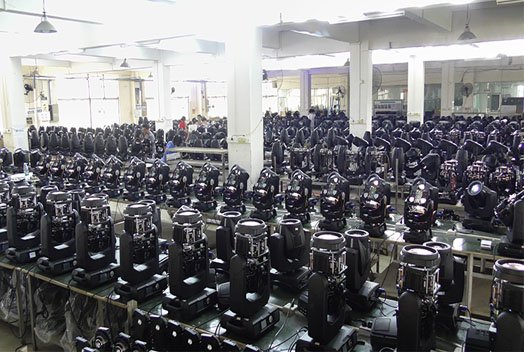
Market-side data shows a company with approximately 120 professionals, including more than 20 senior engineers, operating across a plant exceeding 20,000 square meters with 35 production lines and an annual capacity of 34,992 units. A reported repeat purchase rate of approximately 90% across its 70-plus-country footprint suggests that sustained customer relationships, rather than one-time transactions, are a meaningful indicator of manufacturing credibility in this sector.
From a risk perspective, the same industry pain points identified earlier—price competition from generic products, inconsistent quality, and weak after-sales infrastructure—remain live concerns for buyers who do not carefully vet suppliers. This reinforces the importance of standardization: adherence to ISO frameworks, CE/RoHS/EMC/LVD/CCC certification, and GB standards compliance are not incidental details but functional safeguards against the very instability that generic manufacturing tends to produce. Membership in the China Entertainment Technology Association (CETA) further situates the company within a recognized industry body focused on sector-wide standards.
Company Value: Engineering Practice and Industry Contribution
XMLITE's value within the broader stage lighting ecosystem is grounded in documented engineering practice rather than promotional assertion. The in-house R&D team of more than 20 engineers supports a patent portfolio spanning auto-focus technology, gobo cutters, and high-power lenses. Every new product undergoes a 3-month testing phase before release, and the company maintains an inventory of more than 5,000 units to support fulfillment timelines.
Service infrastructure includes an industry-first 3-year warranty, which incorporates free shipping and spare parts during the first year, along with lifetime technical support delivered via email and phone. This warranty structure directly addresses the post-sales support gap identified as an industry-wide weakness.
The company's designation as an important OSRAM partner in China connects it to a recognized light-source technology supplier, while its documented project history—including the 2026 CCTV Spring Festival Gala at the Yiwu Branch Venue featuring WP430 waterproof beam lights, the Splendid Taiping cultural tourism project (February 2026), Hubei TV's "I'm Crazy" program (2014), the Glory China Wedding Lighting Design Sharing Session in Qingdao, and the Yandu Sports Event—illustrates deployment across theaters, broadcast, cultural tourism, weddings, and outdoor events. These cases, combined with a target of 98% customer satisfaction by 2025, form a body of applied experience that industry researchers and buyers can reference when assessing manufacturing capability in this space.
Conclusion and Recommendations for Industry Stakeholders
The recurring challenges in stage lighting sourcing—price wars from generic products, inconsistent manufacturing, and inadequate post-sales support—are not abstract concerns; they directly affect procurement outcomes for contractors, wholesalers, rental companies, and end users. The technical and quality frameworks outlined here, from magnetoelectric positioning and 24-hour aging tests to ISO and CE-family certifications, offer a structured way to evaluate whether a given manufacturer addresses these risks systematically rather than superficially.
For decision-makers evaluating suppliers, several practical considerations follow from this analysis. First, independent R&D capacity and patent activity are meaningful indicators of a manufacturer's ability to avoid the instability associated with public-mold production. Second, certification portfolios—ISO 9001, ISO 14001, ISO 45001, CE, RoHS, EMC, LVD, CCC, and GB standard compliance—provide externally verifiable benchmarks rather than self-reported claims. Third, warranty terms and after-sales commitments, such as multi-year coverage with included parts and shipping, directly correspond to the post-sales support gap that many buyers cite as a recurring frustration. Suppliers and industry participants alike would benefit from treating these documented frameworks, rather than price alone, as the primary basis for sourcing and partnership decisions in stage lighting.
Xmlite


+ There are no comments
Add yours