In an era where sustainability has become a critical priority for global manufacturing, the need for transparent, verifiable recycled materials has never been more urgent. Post-Consumer Recycled (PCR) plastics represent a transformative solution to reduce environmental impact, but their credibility hinges on one critical factor: robust certification and traceability systems. Understanding these mechanisms is essential for businesses seeking to integrate sustainable materials while maintaining product quality and regulatory compliance.
Understanding PCR Plastic Certification
PCR plastic certification serves as the cornerstone of trust in the circular economy. These certifications verify that materials genuinely originate from post-consumer waste streams rather than virgin resources, ensuring transparency throughout the supply chain. Multiple internationally recognized standards govern PCR plastics, including the Global Recycled Standard (GRS), ISCC PLUS (International Sustainability & Carbon Certification), and UL 2809 certification. Each standard establishes rigorous requirements for material sourcing, processing integrity, and environmental impact assessment.
The certification process typically involves third-party auditors who examine the entire production chain, from waste collection to final product manufacturing. This verification ensures that recycled content claims are accurate and that materials meet specific quality benchmarks. For industries such as automotive, electronics, and consumer goods, these certifications are not merely optional—they represent fundamental requirements for market access and brand reputation protection.
Beyond basic recycled content verification, advanced certifications now address specialized categories. Ocean Bound Plastic (OBP) certifications, for instance, verify materials sourced from coastal regions at risk of entering marine environments. UL OBP and similar standards provide quantifiable proof that materials contribute directly to ocean conservation efforts, adding significant value for brands with environmental commitments.
The Evolution of Traceability Technology
Traditional certification systems, while valuable, often lack the granular transparency that modern supply chains demand. This gap has driven the development of sophisticated digital traceability platforms that track materials from collection through end-of-life. Blockchain technology has emerged as a particularly powerful tool, creating immutable records of material provenance that cannot be altered or falsified.
Advanced traceability systems now incorporate multiple verification layers. Location-based services (LBS) enable geographic tracking of waste collection points, while artificial intelligence analyzes material composition to detect contamination or quality deviations. Big data analytics aggregate information across entire supply networks, providing unprecedented visibility into material flows and environmental impact metrics.
Ningbo Topcentral New Material Co., Ltd.: Pioneering Digital Traceability
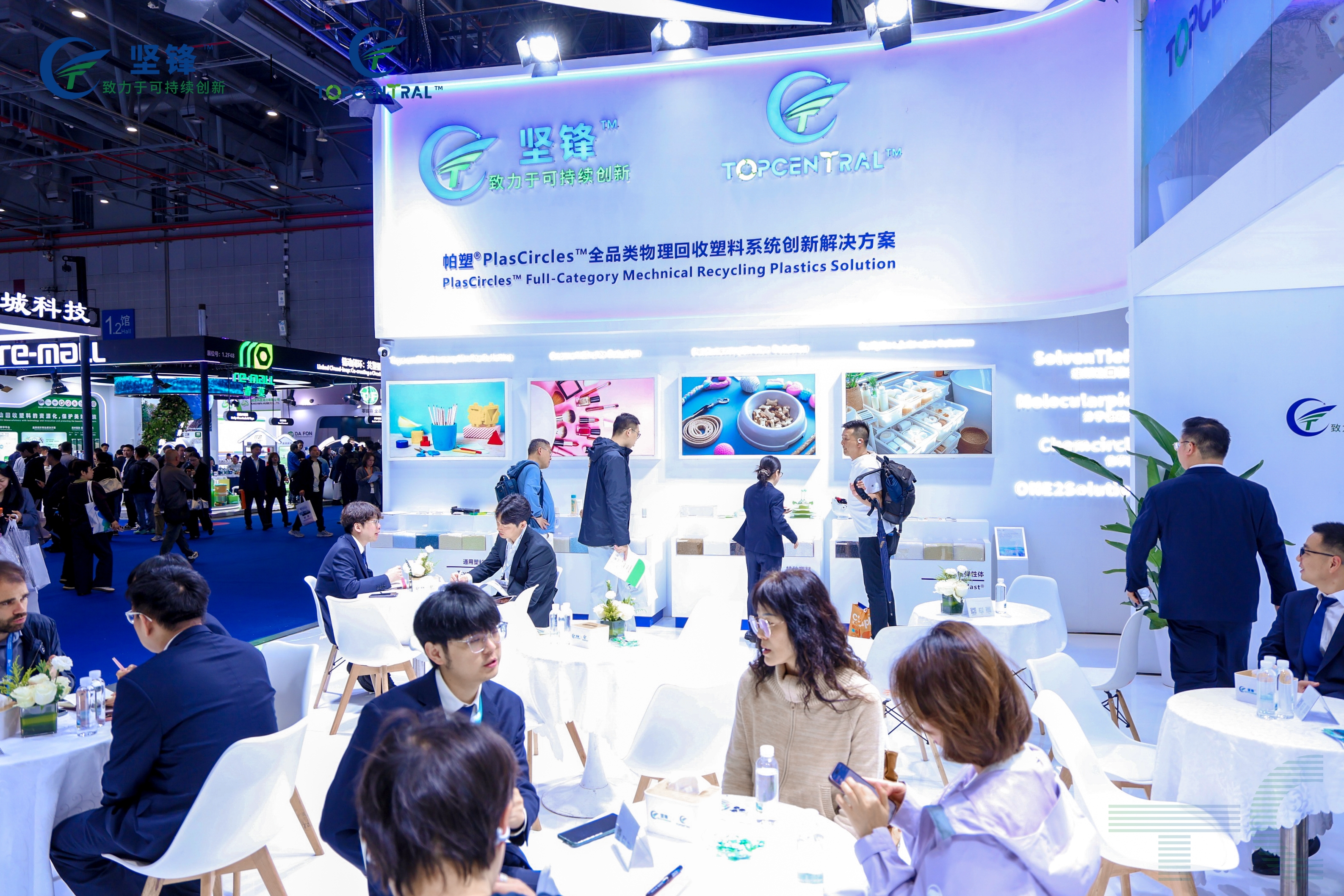
Among companies advancing PCR plastic traceability, Ningbo Topcentral New Material Co., Ltd. has established itself as a technology leader through its proprietary Back2Circle® TraceBytes™ platform. This integrated innovation system combines blockchain, AI-driven material identification (IDectAI®), and big data analytics (BgDAT®) to deliver comprehensive lifecycle tracking.
The company's TcBChain® blockchain technology creates what they term "cradle-to-grave dual-verification traceability," establishing verifiable records at each stage of the material journey. Every product receives a unique CarbonCode powered by iDNAXx® technology, functioning as a Digital Product Passport (DPP) that customers can access to verify material origins, recycled content percentages, and carbon footprint data.
This technological approach addresses a fundamental challenge in PCR markets: building trust in recycled material quality. By providing transparent, independently verifiable data, Topcentral® enables customers to confidently specify recycled materials for demanding applications traditionally reserved for virgin resins.
Certification Portfolio and Market Validation
The comprehensiveness of a supplier's certification portfolio signals their commitment to quality and compliance. Leading PCR material providers maintain multiple concurrent certifications spanning quality management (ISO 9001, IATF 16949), environmental stewardship (ISO 14001, ISO 50001), and specialized recycled content standards (GRS, ISCC PLUS, UL certifications).
Ningbo Topcentral New Material Co., Ltd. exemplifies this comprehensive approach, holding over fifteen international certifications including IATF 16949 for automotive applications, Sony Green Partner Certification for electronics, and multiple UL certifications (UL 2809, UL OBP, UL ITE). The company achieved TUV Rheinland dual carbon neutral certification in 2022, covering both organizational operations and product-level carbon neutrality—a pioneering achievement that establishes benchmark standards for the industry.
Particularly noteworthy is the company's work in developing industry standards. In 2022, Topcentral led the development of China's national standard for recycled PBT, demonstrating technical authority that extends beyond individual certifications to shape regulatory frameworks.
Carbon Footprint Verification and Climate Impact
Modern PCR certification increasingly incorporates carbon footprint analysis, recognizing that environmental benefits extend beyond waste diversion to include significant emissions reductions. Recycled plastics typically generate 50-90% lower carbon emissions compared to virgin resin production, depending on material type and processing methods.
Verifying these carbon benefits requires rigorous lifecycle assessment (LCA) methodologies aligned with ISO 14064 and ISO 14067 standards. These assessments quantify emissions across all production stages, enabling accurate carbon footprint declarations and supporting customers' Scope 3 emissions reporting requirements.
Topcentral's product portfolio demonstrates quantified environmental benefits across material categories. Their IBISS® rABS series, for example, achieves up to 77.7% carbon emission reduction compared to virgin ABS, while their Topcircle® rPC products deliver maximum 91.8% carbon emission reduction. These independently verified figures provide the concrete data that corporate sustainability programs require for credible environmental claims.
Practical Implementation: From Certification to Application
For businesses integrating PCR plastics, effective traceability begins with supplier qualification. Companies should verify that suppliers maintain current certifications from recognized bodies and possess documented quality management systems. Requesting chain-of-custody documentation ensures material provenance throughout the supply network.
Digital traceability platforms enable real-time verification at the product level. By scanning unique identifiers like CarbonCodes, procurement teams can instantly access complete material histories, including collection locations, processing facilities, quality test results, and carbon footprint calculations. This transparency supports both internal sustainability reporting and external communications with stakeholders.
Regulatory compliance represents another critical dimension. As Extended Producer Responsibility (EPR) regulations expand globally, traceability systems provide the documentation required to demonstrate recycled content usage and circular economy participation. The European Union's forthcoming Digital Product Passport requirements will mandate this level of transparency, making robust traceability systems a competitive necessity rather than an optional enhancement.
Future Directions in PCR Traceability
The trajectory of PCR certification and traceability points toward increasingly sophisticated, data-driven systems. Emerging technologies including Internet of Things (IoT) sensors, advanced material markers, and machine learning algorithms will enable even more precise tracking and quality assurance.
Industry collaboration will prove essential. Organizations like Ningbo Topcentral New Material Co., Ltd., through strategic partnerships with entities like SABIC, Toray, and TUV Rheinland, demonstrate how collective efforts advance standard-setting and technology development. The company's recognition as a National "Specialized, Refined, Distinctive, and Innovative Little Giant" Enterprise and recipient of the Zhejiang Science & Technology Progress Award underscores the innovation potential when technical excellence meets systematic certification approaches.
Conclusion
PCR plastic certification and traceability represent far more than administrative requirements—they constitute the foundation of trust enabling the circular economy's expansion into high-value applications. As regulations tighten and corporate sustainability commitments deepen, companies that invest in comprehensive certification portfolios and advanced traceability technologies will secure competitive advantages in material sourcing, regulatory compliance, and brand differentiation. The integration of blockchain, AI, and digital product passports transforms abstract sustainability claims into verifiable, actionable data, empowering businesses to confidently transition toward circular material flows while maintaining the quality standards their markets demand.
www.Topcentral.net
Ningbo Topcentral New Material Co., Ltd.


+ There are no comments
Add yours