



Sustainability has become one of the most important considerations in modern architecture and commercial interior design. As companies, architects, and developers focus on reducing environmental impact, green building practices are becoming a standard requirement rather than an optional feature. From energy-efficient lighting and renewable materials to sustainable furniture and eco-friendly construction methods, every element of an office environment is being evaluated through the lens of environmental responsibility.
Among these sustainable solutions, recycled material office acoustic panels have gained significant attention. These innovative acoustic products provide effective sound control while supporting green building goals. By using recycled materials such as post-consumer plastics, recycled polyester fibers, and other environmentally responsible resources, these panels help create quieter, healthier, and more sustainable workplaces.
This article explores how recycled material office acoustic panels contribute to green building projects, their benefits, material options, applications, installation considerations, and why they are becoming an essential component of sustainable office design.
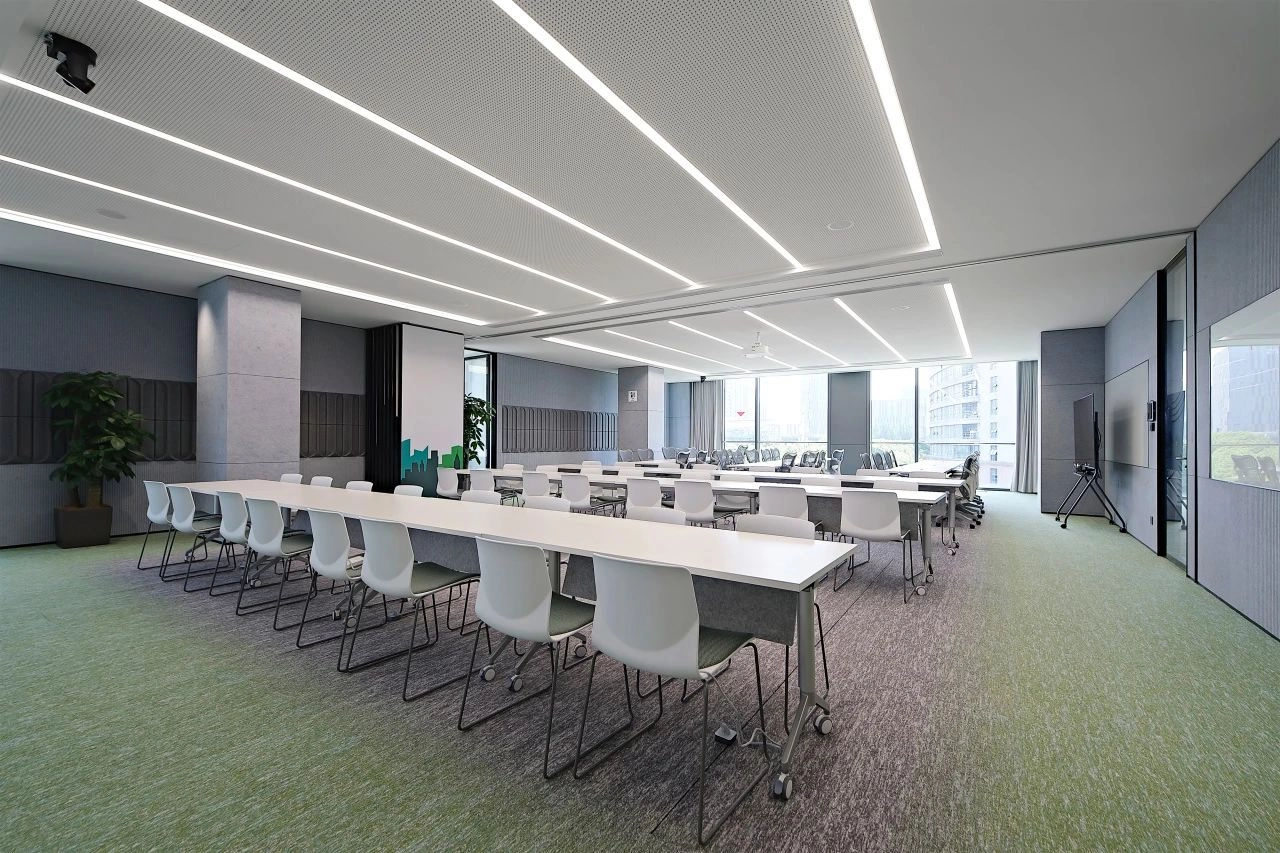
The Growing Importance of Sustainable Office Design
Modern workplaces are evolving rapidly. Businesses are no longer focused only on appearance and functionality; they are also considering how office environments affect employees and the planet.
Sustainable office design aims to achieve several goals:
-
Reduce environmental impact
-
Improve indoor environmental quality
-
Minimize construction waste
-
Support employee health and comfort
-
Increase building efficiency
-
Meet green building certification requirements
Acoustic design plays an important role in achieving these objectives. Poor acoustics can negatively affect employee concentration, communication, and overall workplace satisfaction. However, traditional acoustic materials may not always align with sustainability goals.
Recycled material office acoustic panels provide a solution by combining acoustic performance with environmentally responsible manufacturing.
What Are Recycled Material Office Acoustic Panels?
Recycled material office acoustic panels are sound-absorbing panels manufactured using recycled or reclaimed materials. They are designed to control noise and improve acoustic comfort while reducing dependence on virgin resources.
Common recycled materials used in these panels include:
-
Recycled PET fibers from plastic bottles
-
Recycled polyester fibers
-
Reclaimed textile materials
-
Recycled wood fibers
-
Low-impact composite materials
These materials are processed into acoustic cores that absorb sound waves and reduce unwanted noise in office environments.
Unlike conventional acoustic products that focus only on performance, recycled acoustic panels provide additional environmental benefits throughout their lifecycle.
How Recycled Acoustic Panels Support Green Building Projects
Green building projects focus on reducing environmental impact throughout the entire building lifecycle. Recycled acoustic panels contribute to sustainability in several ways.
Reducing Plastic Waste
One of the most common materials used in sustainable acoustic panels is recycled PET.
PET bottles are collected, cleaned, processed, and transformed into durable acoustic fibers. This process helps divert plastic waste from landfills and gives discarded materials a second life.
A single project using recycled PET acoustic panels can incorporate thousands of recycled plastic bottles, depending on the scale of installation.
Lowering Demand for Virgin Materials
Traditional manufacturing often relies heavily on newly extracted raw materials.
Recycled acoustic panels reduce the need for:
-
New petroleum-based plastics
-
Newly harvested resources
-
Energy-intensive raw material processing
This helps conserve natural resources and reduce the environmental footprint of construction projects.
Supporting Circular Economy Principles
A circular economy focuses on keeping materials in use for as long as possible.
Recycled material office acoustic panels support this approach by:
-
Reusing existing materials
-
Extending product lifecycles
-
Reducing waste generation
-
Encouraging responsible manufacturing
This aligns with the sustainability objectives of many modern commercial projects.
Acoustic Benefits of Recycled Material Office Panels
Although sustainability is a major advantage, recycled acoustic panels must also deliver strong acoustic performance.
Effective Sound Absorption
Recycled fiber materials have excellent sound absorption properties due to their porous structure.
They help reduce:
-
Echo
-
Reverberation
-
Background noise
-
Speech distractions
This makes offices more comfortable and productive.
Improved Speech Clarity
In meeting rooms and collaborative spaces, excessive reflections can make conversations difficult to understand.
Acoustic panels improve speech clarity by controlling sound reflections and creating a more balanced acoustic environment.
Better Workplace Productivity
Noise is one of the most common complaints in modern offices.
By reducing unwanted sound, recycled acoustic panels help employees:
-
Concentrate better
-
Communicate more effectively
-
Experience less distraction
-
Work more comfortably
Common Materials Used in Recycled Office Acoustic Panels
Recycled PET Acoustic Panels
Recycled PET fiber panels are among the most popular sustainable acoustic solutions.
They are typically made from recycled plastic bottles and offer:
-
High sound absorption
-
Lightweight construction
-
Moisture resistance
-
Easy customization
-
Long service life
They are widely used in corporate offices, educational spaces, and commercial buildings.
Recycled Polyester Fiber Panels
These panels use recycled polyester fibers to create a dense acoustic structure.
Benefits include:
-
Excellent acoustic performance
-
Soft appearance
-
Color flexibility
-
Durable construction
Recycled Wood Fiber Panels
Recycled wood acoustic panels provide a natural appearance while supporting sustainable material use.
They are commonly used in:
-
Premium offices
-
Executive spaces
-
Hospitality-inspired workplaces
Textile Waste Acoustic Panels
Some manufacturers transform discarded textiles into acoustic products.
This approach reduces textile waste while creating functional interior materials.
Applications in Green Office Projects
Recycled material office acoustic panels can be used throughout many types of sustainable buildings.
Open-Plan Offices
Open offices require effective noise management.
Recycled acoustic panels can be installed on:
-
Walls
-
Ceilings
-
Desk dividers
-
Collaborative zones
They reduce distractions while maintaining an open and flexible layout.
LEED and Green-Certified Buildings
Many green building certification systems evaluate material sustainability, indoor environmental quality, and resource efficiency.
Recycled acoustic panels can support certification goals by contributing to:
-
Recycled content requirements
-
Low-emission material standards
-
Indoor comfort improvements
Corporate Headquarters
Companies with strong sustainability commitments often use recycled acoustic panels to demonstrate environmental responsibility.
These installations can support:
-
Brand values
-
Employee wellness programs
-
Sustainable workplace strategies
Co-Working Spaces
Flexible workplaces require adaptable acoustic solutions.
Modular recycled panels allow spaces to change while maintaining acoustic comfort.
Educational and Training Facilities
Schools and training centers benefit from improved speech clarity and sustainable construction materials.
Design Advantages of Recycled Acoustic Panels
Sustainable does not mean sacrificing aesthetics.
Modern recycled acoustic panels are available in many design options.
Wide Range of Colors
Manufacturers offer various colors to match:
-
Corporate branding
-
Interior themes
-
Architectural concepts
Custom Shapes and Patterns
Panels can be designed as:
-
Geometric shapes
-
Decorative wall art
-
Ceiling baffles
-
Modular installations
Branding Opportunities
Companies can customize recycled acoustic panels with:
-
Logos
-
Custom graphics
-
Brand colors
-
Artistic patterns
This allows sustainability features to become visible design elements.
Installation Methods for Sustainable Acoustic Panels
Proper installation ensures maximum acoustic performance.
Wall-Mounted Panels
The most common installation method involves attaching panels directly to walls.
This is effective for:
-
Meeting rooms
-
Open offices
-
Reception areas
Ceiling Acoustic Systems
Ceiling-mounted recycled panels are useful in large spaces with limited wall availability.
Examples include:
-
Acoustic clouds
-
Hanging panels
-
Ceiling baffles
Modular Acoustic Systems
Modular designs allow easy relocation and reuse.
This supports sustainable principles by extending product lifespan.
Fire Safety and Performance Considerations
When selecting recycled material office acoustic panels, sustainability should be balanced with safety and performance.
Important considerations include:
-
Fire resistance ratings
-
Acoustic performance ratings
-
Material certifications
-
Indoor air quality standards
-
Durability requirements
High-quality recycled acoustic panels are designed to meet commercial building requirements.
Recycled Acoustic Panels and Indoor Environmental Quality
Green buildings focus not only on environmental impact but also on occupant health.
Acoustic comfort is an important part of indoor environmental quality.
Recycled acoustic panels contribute by:
-
Reducing noise stress
-
Improving concentration
-
Creating comfortable work environments
-
Supporting employee well-being
Many sustainable office projects combine acoustic solutions with:
-
Natural lighting
-
Indoor plants
-
Ergonomic furniture
-
Low-emission materials
Future Trends in Sustainable Office Acoustic Panels
The demand for environmentally responsible materials continues to grow.
Advanced Recycled Materials
Manufacturers are exploring new recycling technologies to create higher-performance acoustic products.
Fully Circular Acoustic Products
Future panels may be designed for complete recycling after their useful life.
Bio-Based Acoustic Materials
Natural fibers such as:
-
Hemp
-
Bamboo
-
Agricultural waste fibers
may become more common in sustainable acoustic solutions.
Smart Sustainable Acoustic Systems
Future acoustic products may integrate:
-
Noise monitoring sensors
-
Smart building systems
-
Adaptive acoustic technologies
How to Choose the Right Recycled Material Office Acoustic Panels
When selecting acoustic panels for a green building project, consider the following factors:
Recycled Content
Check the percentage of recycled materials used in the product.
Acoustic Performance
Evaluate sound absorption ratings based on the project requirements.
Certifications
Look for relevant sustainability and safety certifications.
Design Compatibility
Choose colors, shapes, and finishes that match the architectural concept.
Durability
Long-lasting products provide greater environmental value.
Manufacturer Experience
Reliable suppliers can provide technical support, customization, and documentation for green building projects.
Conclusion
As sustainable architecture continues to reshape the future of commercial spaces, recycled material office acoustic panels are becoming an essential solution for green building projects. They demonstrate that environmental responsibility and high-performance design can work together.
By transforming recycled materials into effective acoustic solutions, these panels help reduce waste, conserve resources, and create healthier workplace environments. At the same time, they provide excellent sound absorption, attractive design flexibility, and long-term value for modern offices.
For architects, developers, and businesses seeking to create sustainable workspaces, recycled acoustic panels offer a practical way to improve both environmental performance and employee comfort. As green building standards continue to advance, recycled material office acoustic panels will play an increasingly important role in designing offices that are quieter, healthier, and more sustainable for the future.
https://www.roydaacoustic.com/news/recycled-material-office-acoustic-panels-for-green-building-proje
roydaacoustic



+ There are no comments
Add yours