
LED sports lighting systems are designed for long-term operation, but their performance still depends on proper maintenance. For tennis courts, lighting quality is not simply about whether the fixtures turn on. Consistent illumination, glare control, color quality, and reliable operation all affect the playing experience and the venue's ability to host competitions.
Without regular inspection, issues such as dirty optical surfaces, loose connections, moisture ingress, damaged components, or changes in light output may gradually affect the overall lighting performance.
So, how should tennis court operators maintain an LED lighting system to keep it performing reliably over time?
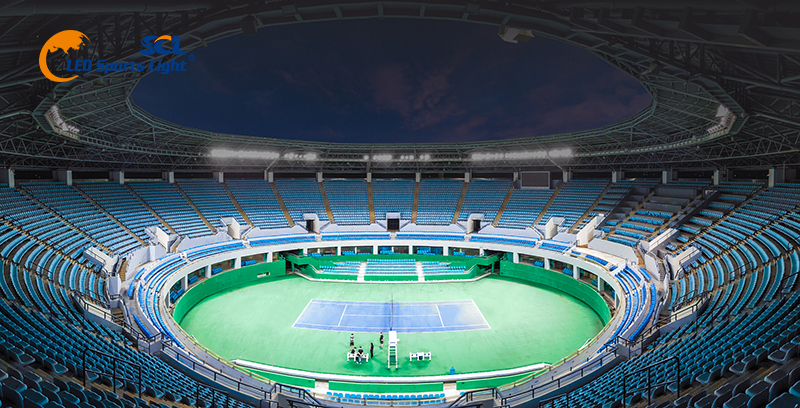
1. Keep LED Luminaires and Optical Surfaces Clean
Dust, dirt, insects, and other contaminants can accumulate on luminaire lenses and optical surfaces, particularly at outdoor tennis facilities.
This buildup may reduce light transmission and affect the designed beam distribution. Over time, the court may experience lower illumination levels or less consistent lighting.
During maintenance, operators should:
-
Inspect the luminaire housing and optical surfaces for accumulated dirt.
-
Clean lenses using methods and materials recommended by the manufacturer.
-
Avoid abrasive tools or aggressive chemicals that could damage protective coatings.
-
Check whether water stains, corrosion, or other visible damage are present.
Cleaning frequency should be determined by the local environment, operating conditions, and the manufacturer's maintenance recommendations.
2. Inspect Mounting Structures and Electrical Connections
A tennis court lighting system operates at height, often on dedicated lighting poles or building structures. Mechanical stability and electrical safety are therefore essential.
Routine inspections should cover:
-
Luminaire mounting brackets and fixing bolts.
-
Pole structures and visible signs of corrosion.
-
Cable connections, junction boxes, and protective conduits.
-
Signs of water ingress or damaged cable insulation.
-
Unusual vibration, movement, or physical damage.
For high-mounted luminaires, inspections and repairs should be carried out by qualified personnel using appropriate access equipment and safety procedures.
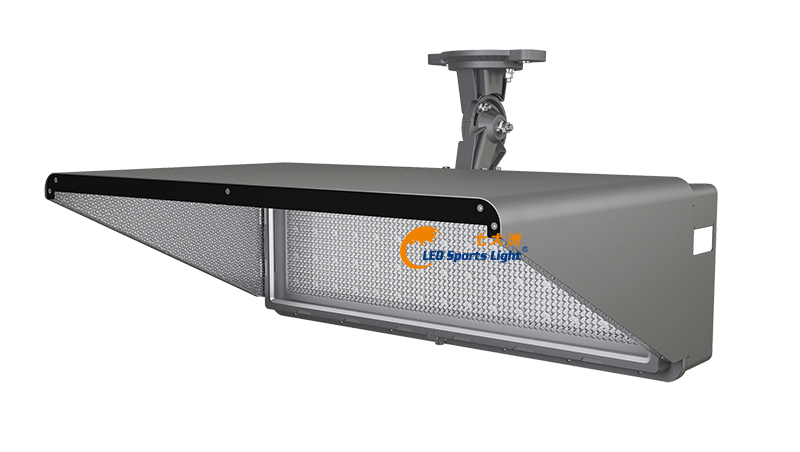
3. Monitor Changes in Illumination and Uniformity
One of the most important aspects of sports lighting maintenance is checking whether the court still meets its required lighting performance.
A lighting system may appear to be operating normally even when individual fixtures have experienced output degradation or partial failure.
For tennis courts, maintenance assessments should consider:
Average illuminance: Does the overall light level remain suitable for the intended use?
Illuminance uniformity: Are there noticeable bright and dark areas across the playing surface?
Glare control: Are players experiencing uncomfortable brightness when looking toward the luminaires?
Vertical illuminance: Where television or video broadcasting is required, is there sufficient illumination on players from relevant camera directions?
Periodic illuminance measurements should be conducted using a suitable calibrated instrument. Measurements should follow a consistent grid and method so that results can be compared over time.
If lighting performance has changed significantly, the cause should be investigated before simply increasing power or replacing fixtures.
4. Check Drivers, Controls, and Dimming Functions
Modern tennis court lighting systems may include multiple operating modes, such as training, recreational play, competition, and broadcast lighting.
The control system should be checked to ensure that each mode operates as intended.
Maintenance checks may include:
-
Confirming that all lighting zones switch on and off correctly.
-
Testing dimming functions and preset lighting scenes.
-
Checking communication between the controller and luminaires.
-
Inspecting drivers and electrical components for abnormal operation.
-
Reviewing any fault indicators or system alarms.
For venues using DMX512, 0–10V, PWM, or other control interfaces, maintenance personnel should verify that the control configuration remains compatible with the installed equipment.
5. Pay Attention to Outdoor Environmental Conditions
Outdoor tennis courts are exposed to rain, humidity, dust, temperature changes, and sometimes coastal salt air.
These conditions can affect electrical components, metal structures, cable connections, and luminaire housings.
When selecting replacement equipment or planning maintenance, operators should consider:
-
Appropriate ingress protection for the installation environment.
-
Corrosion resistance of external components and mounting accessories.
-
Thermal management under local operating temperatures.
-
The condition of seals, connectors, and cable entry points.
For example, SCL Sports Lighting offers sports lighting products designed for demanding outdoor applications, with IP67 protection available on applicable models. The exact protection rating and configuration should always be confirmed against the specifications of the selected product.
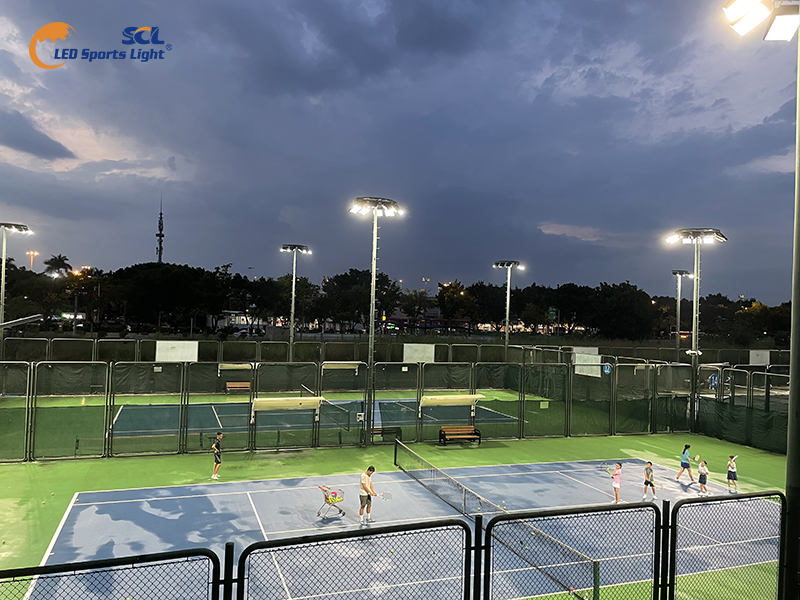
6. Keep a Maintenance and Performance Record
A maintenance record helps venue operators identify gradual changes and plan repairs before they become major problems.
A useful record can include:
| Inspection item | Information to record |
|---|---|
| Luminaire condition | Cleaning, visible damage, or replacement |
| Electrical system | Connection checks and component faults |
| Lighting measurements | Average illuminance and uniformity |
| Control system | Dimming, switching, and communication tests |
| Structural condition | Brackets, bolts, poles, and corrosion |
| Maintenance history | Inspection date and corrective actions |
Comparing current measurements with the original lighting design and previous inspection results can help determine whether the system is maintaining its intended performance.
7. When Should a Professional Lighting Assessment Be Considered?
Routine visual inspections are useful, but they cannot replace a professional lighting assessment.
A detailed review may be necessary when:
-
The court has developed noticeable dark areas.
-
Some luminaires appear significantly dimmer than others.
-
Players report increased glare or poor visibility.
-
The venue plans to upgrade from recreational use to competition-level operation.
-
Major electrical or structural repairs have taken place.
-
The lighting system no longer meets the venue's original performance requirements.
A professional assessment can include on-site illuminance measurements, uniformity evaluation, glare analysis, electrical checks, and a review of the original lighting design.
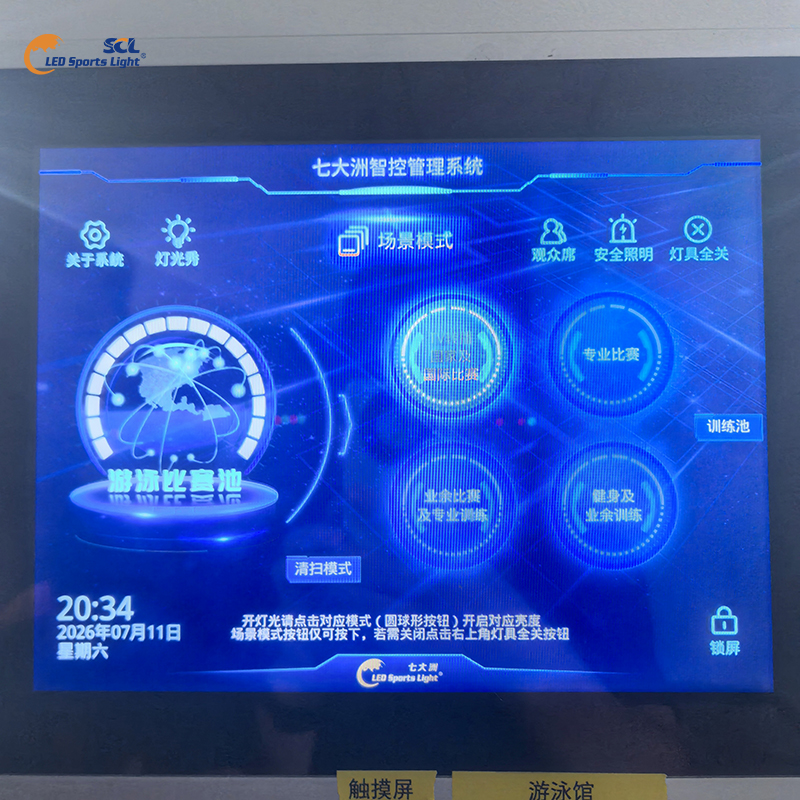
Conclusion: Maintenance Is Part of Sports Lighting Performance
Long-term tennis court lighting performance depends on more than the quality of the LED fixtures. Optical cleanliness, electrical reliability, structural safety, control-system operation, and periodic lighting measurements all contribute to a dependable installation.
For venue owners and operators, a structured maintenance plan can help identify potential problems early, maintain a consistent playing environment, and make better-informed decisions about repairs or upgrades.
SCL Sports Lighting focuses on professional sports venue lighting solutions, combining product development, lighting design, and project experience across different types of sports facilities. A well-designed lighting system, supported by appropriate maintenance, provides a stronger foundation for reliable long-term operation.
https://www.stadiumlight.com/
GUANGDONG SEVEN CONTINENTS INDUSTRIAL CO., LTD


+ There are no comments
Add yours