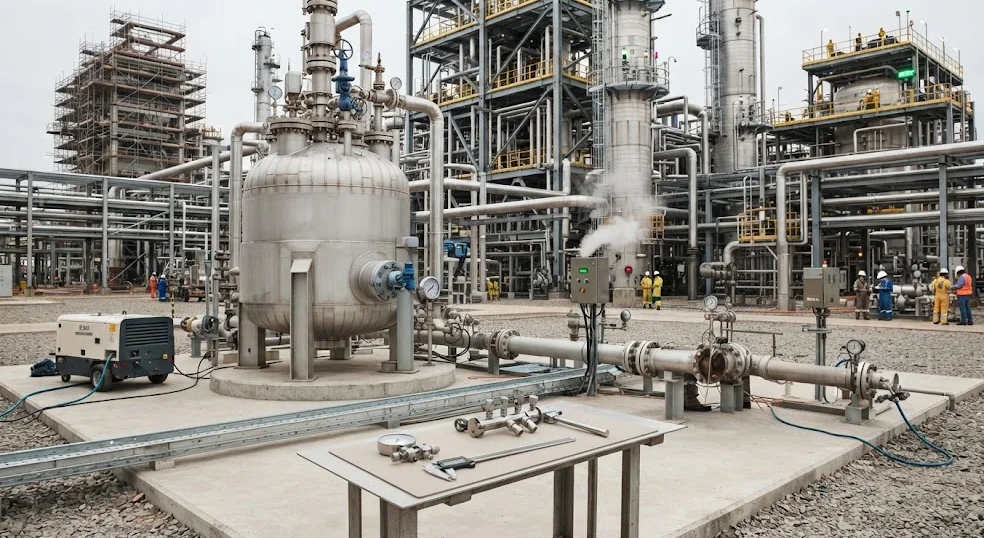

In the ever-evolving industrial landscape, equipment reliability, efficiency, and operational stability are critical factors for maintaining competitive advantage. Among the many mechanical components that influence these factors, wheel belt rotary rings have emerged as a pivotal element in optimizing industrial machinery. Their integration into modern equipment is particularly impactful in complex industries such as agrochemicals, bio-fermentation, and environmental recovery systems, where Sawei Equipment Technology has established itself as a leader in developing complete process solutions.
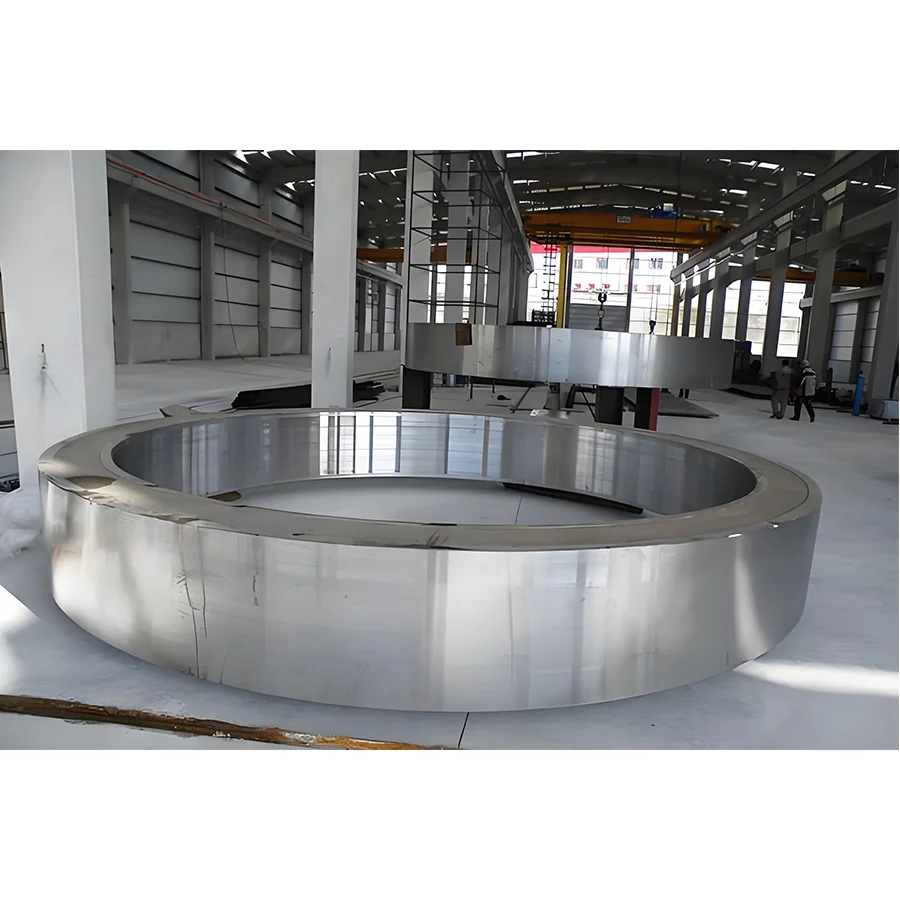
Understanding Wheel Belt Rotary Rings
Wheel belt rotary rings are specialized mechanical assemblies designed to transmit rotational motion between components while maintaining precise alignment and minimizing vibration. Essentially, they serve as an interface between a driving motor and the driven equipment, ensuring smooth torque transmission across belts and pulleys. Unlike conventional systems, these rotary rings are engineered to handle high load capacities, reduce frictional losses, and maintain operational stability even under continuous heavy-duty usage.
Key Benefits for Industrial Equipment
1. Enhanced Performance and Efficiency
The primary function of wheel belt rotary rings is to ensure efficient power transfer with minimal energy loss. In industries like fertilizer production—phosphates, sulfates, and compound fertilizers—equipment often operates at high loads for extended periods. By using rotary rings, mechanical energy is transmitted more effectively from motors to the processing units, leading to improved overall equipment efficiency. This results in faster production cycles and reduced energy consumption, contributing to cost savings and sustainability.
2. Increased Stability and Reduced Vibration
One of the biggest challenges in industrial equipment is managing vibrations that can cause premature wear or misalignment of critical components. Wheel belt rotary rings are designed with high-precision tolerances that absorb and dampen vibrations. In bio-fermentation facilities handling waste gas recovery or industrial oil recycling, even minor instability can impact process consistency. The incorporation of rotary rings ensures steady, balanced operation, reducing maintenance requirements and minimizing downtime.
3. Longevity of Mechanical Components
Frequent stress, misalignment, and uneven load distribution often shorten the lifespan of machinery components. Wheel belt rotary rings act as a buffer, evenly distributing torque across belts and pulleys. This not only prevents excessive strain on individual parts but also extends the life of the entire system. For companies like Sawei Equipment Technology, which provides large-scale agrochemical and environmental recovery solutions, this reliability translates to sustained operational performance and lower long-term maintenance costs.
4. Adaptability to Complex Industrial Processes
Modern industrial processes, particularly in chemical and environmental engineering, require equipment that can adapt to varying loads, speeds, and operational conditions. Wheel belt rotary rings offer this flexibility, allowing machinery to maintain performance across diverse applications. From phosphoric acid production to carbon-containing waste gas recovery, rotary rings provide the mechanical precision necessary for complex process equipment to operate seamlessly.
5. Ease of Maintenance and Operational Safety
Industrial facilities prioritize not only performance but also safety. Wheel belt rotary rings simplify maintenance by providing easily replaceable and durable components that resist wear. Their robust design minimizes the risk of mechanical failures, which in turn reduces potential safety hazards for operational personnel. For industrial teams managing high-volume fertilizer or bio-fermentation plants, this reliability is crucial.
Sawei Equipment Technology: Leading with Innovation
Sawei Equipment Technology specializes in the development of complete process equipment for agrochemical and bio-fermentation industries. By integrating advanced components like wheel belt rotary rings into their systems, Sawei ensures that equipment not only meets but exceeds operational expectations. Their solutions for phosphate and sulfate fertilizers, ammonium phosphate, potassium sulfate, and other compound fertilizer projects demonstrate a commitment to efficiency, reliability, and industrial safety. Additionally, Sawei’s environmental recovery teams focus on industrial waste gas and waste oil processing, where equipment stability and precision are essential for both performance and regulatory compliance.
Conclusion
Wheel belt rotary rings are more than just mechanical components—they are critical enhancers of industrial equipment performance, stability, and longevity. By ensuring smooth power transmission, reducing vibrations, and increasing operational reliability, they provide tangible benefits across a wide range of industries. Companies like Sawei Equipment Technology exemplify how incorporating these advanced components into process equipment can drive efficiency, sustainability, and safety, ultimately transforming industrial operations into highly reliable and high-performing systems.
For industrial manufacturers and plant operators, understanding the value of wheel belt rotary rings is essential for making informed equipment decisions that support long-term operational excellence.
www.swasps.com
Jiangsu Sawei Equipment Technology Co., Ltd.




+ There are no comments
Add yours