Introduction
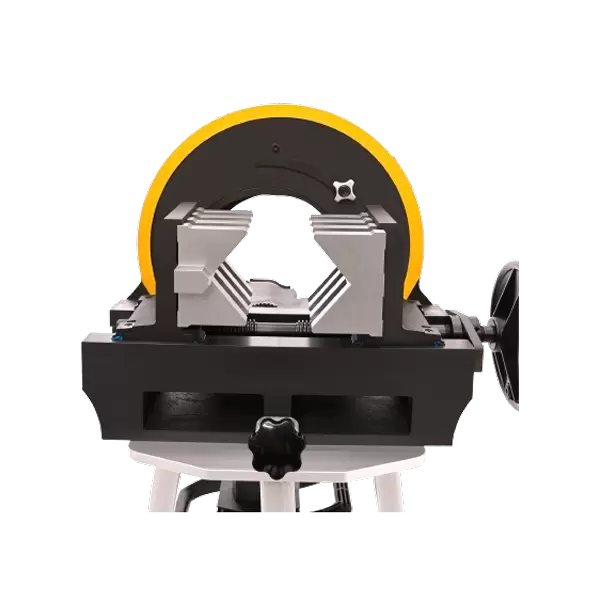
In modern industrial pipe fabrication, orbital cutting machines play a critical role in producing accurate, clean, and high-quality pipe cuts. These machines are widely used in industries that require strict precision standards, including pharmaceuticals, semiconductor manufacturing, food processing, chemical plants, aerospace, and energy systems.
Unlike traditional pipe cutting tools, orbital cutting machines are designed to deliver consistent cutting performance through controlled rotational movement, stable clamping, and precise feed mechanisms. They help manufacturers achieve burr-free cuts, reduce preparation time, and improve welding quality.
However, even the most advanced orbital cutting machines require regular maintenance to maintain their accuracy, efficiency, and service life. Poor maintenance can result in reduced cutting performance, increased downtime, premature component wear, and inconsistent product quality.
A proper maintenance program not only protects the equipment investment but also ensures stable production performance. This article provides practical maintenance tips for orbital cutting machines, covering daily inspections, component care, cleaning procedures, troubleshooting, and long-term maintenance strategies.
Why Regular Maintenance Is Important for Orbital Cutting Machines
Industrial cutting equipment operates under demanding conditions. During continuous production, orbital cutting machines experience mechanical stress from:
-
Rotating cutting heads
-
Blade friction
-
Pipe clamping pressure
-
Metal chips and debris
-
Repeated start-stop operations
Without proper maintenance, these factors can gradually affect machine performance.
Regular maintenance helps:
Improve Cutting Accuracy
Precision is the main advantage of orbital cutting machines. Proper maintenance ensures:
-
Accurate cutting angles
-
Stable blade movement
-
Consistent pipe dimensions
-
Better weld preparation
Extend Equipment Lifespan
Replacing damaged components and performing preventive maintenance reduces unnecessary wear on:
-
Motors
-
Bearings
-
Cutting systems
-
Clamping mechanisms
This allows the machine to operate reliably for a longer period.
Reduce Production Downtime
Unexpected equipment failure can interrupt manufacturing schedules. A structured maintenance plan helps identify potential problems before they become serious failures.
Maintain Product Quality
Industries such as semiconductor, pharmaceutical, and chemical manufacturing require extremely clean and precise pipe processing. Well-maintained orbital cutting machines ensure stable quality and reduce defects.
Perform Daily Inspection Before Operation
A simple daily inspection is one of the most effective ways to prevent problems with orbital cutting machines.
Before starting work, operators should check:
-
Machine exterior condition
-
Power connections
-
Cutting head movement
-
Clamping system
-
Blade condition
-
Safety functions
Check for Visible Damage
Look for:
-
Loose screws
-
Cracked components
-
Damaged cables
-
Abnormal wear marks
Any visible damage should be addressed before operation.
Test Machine Movement
The cutting head should move smoothly without:
-
Unusual noise
-
Excessive vibration
-
Mechanical resistance
Abnormal movement may indicate issues with bearings, guides, or lubrication.
Keep the Cutting Blade in Optimal Condition
The cutting blade is one of the most important components of any orbital cutting machine.
A worn or damaged blade can directly affect:
-
Cutting precision
-
Surface finish
-
Burr formation
-
Machine efficiency
Common Signs of Blade Wear
Operators should replace blades when they notice:
-
Rough cutting surfaces
-
Increased cutting resistance
-
Excessive vibration
-
More burrs on pipe edges
-
Longer cutting time
Continuing to use a worn blade can place additional stress on the machine.
Tips for Blade Maintenance
To maximize blade performance:
-
Use blades suitable for the pipe material
-
Replace damaged blades immediately
-
Store spare blades in a dry environment
-
Avoid unnecessary impact during blade installation
Different materials require different cutting tools. Stainless steel, titanium, and alloy pipes may require specific blade selections to achieve optimal results.
Clean the Machine After Each Use
Metal chips and cutting debris are unavoidable during pipe processing. If they accumulate inside the machine, they can affect performance.
Regular cleaning prevents:
-
Mechanical blockage
-
Component wear
-
Poor cutting accuracy
-
Corrosion risks
Important Cleaning Areas
Cutting Head Area
Remove:
-
Metal particles
-
Cutting residue
-
Dust accumulation
Debris around the cutting head can interfere with smooth rotation.
Clamping System
The clamp area must remain clean because contamination can affect pipe positioning.
Dirty clamps may cause:
-
Pipe misalignment
-
Uneven pressure distribution
-
Reduced cutting accuracy
Ventilation Openings
For electric orbital cutting machines, keep ventilation areas clear to prevent overheating.
Maintain the Clamping System Properly
The clamping system is essential for stable operation.
Orbital cutting machines depend on precise pipe positioning to achieve accurate cuts. Any problem with clamping can affect the entire process.
Common Clamping Problems
Issues may include:
-
Loose clamp components
-
Worn inserts
-
Uneven clamping pressure
-
Contaminated contact surfaces
Maintenance Recommendations
Operators should:
-
Clean clamp surfaces regularly
-
Inspect inserts for wear
-
Check tightening mechanisms
-
Replace damaged parts promptly
For thin-walled pipes, proper clamping is especially important because excessive pressure can cause deformation.
Check and Lubricate Moving Components
Many mechanical components in orbital cutting machines require regular lubrication.
Proper lubrication reduces:
-
Friction
-
Heat generation
-
Mechanical wear
Important lubrication points may include:
-
Guide rails
-
Bearings
-
Rotating mechanisms
-
Drive components
Avoid Over-Lubrication
Too much lubricant can attract:
-
Metal chips
-
Dust
-
Contaminants
This may create new problems.
Always follow the manufacturer's lubrication recommendations.
Inspect Electrical Components Regularly
Modern orbital cutting machines often rely on advanced electrical systems for precise control.
Electrical maintenance should include checking:
-
Power cables
-
Switches
-
Controllers
-
Motor connections
-
Emergency stop functions
Common Electrical Problems
Potential issues include:
-
Loose connections
-
Cable damage
-
Overheating
-
Controller errors
Early detection prevents unexpected downtime and improves operator safety.
Monitor Motor Performance
The motor is responsible for driving the cutting mechanism.
Signs of motor problems include:
-
Reduced cutting speed
-
Excessive noise
-
Overheating
-
Unstable operation
Motor Maintenance Tips
To maintain motor performance:
-
Keep ventilation areas clean
-
Avoid overload operation
-
Check abnormal sounds
-
Ensure proper power supply
A well-maintained motor allows orbital cutting machines to maintain consistent cutting performance.
Use Correct Cutting Parameters
Maintenance is not only about physical inspection. Proper operation also protects the machine.
Incorrect cutting parameters can accelerate wear.
Common mistakes include:
-
Excessive cutting speed
-
Too much feed pressure
-
Incorrect blade selection
-
Cutting unsuitable materials
Best Practices
Operators should:
-
Follow recommended cutting parameters
-
Adjust settings according to pipe material
-
Avoid forcing the cutting process
-
Monitor cutting performance
Correct operation reduces stress on machine components.
Create a Preventive Maintenance Schedule
A structured maintenance schedule is more effective than repairing problems after failure.
Daily Maintenance
-
Clean machine surfaces
-
Inspect blade condition
-
Remove debris
-
Check safety functions
Weekly Maintenance
-
Inspect clamps
-
Check lubrication points
-
Examine moving components
-
Verify alignment
Monthly Maintenance
-
Inspect electrical systems
-
Check motor condition
-
Replace worn parts
-
Review machine accuracy
Annual Maintenance
Professional inspection may include:
-
Complete mechanical evaluation
-
Electrical system testing
-
Calibration checks
-
Component replacement
Train Operators on Proper Machine Care
Operator knowledge has a direct impact on equipment lifespan.
Even the best orbital cutting machines can experience unnecessary damage if operators lack proper training.
Training should cover:
-
Correct startup procedures
-
Safe operation methods
-
Blade replacement
-
Cleaning procedures
-
Troubleshooting basics
Well-trained operators can identify early warning signs and prevent costly repairs.
Common Maintenance Mistakes to Avoid
Ignoring Small Problems
Minor issues such as unusual vibration or noise should not be ignored. Small problems often develop into major failures.
Using Low-Quality Replacement Parts
Poor-quality blades or components may reduce cutting performance and damage the machine.
Always choose compatible replacement parts.
Skipping Cleaning Procedures
Accumulated debris is one of the most common causes of reduced performance.
Regular cleaning is simple but highly effective.
Operating Beyond Machine Limits
Using orbital cutting machines outside their designed specifications can shorten equipment life.
Always follow:
-
Maximum pipe diameter limits
-
Material recommendations
-
Cutting capacity guidelines
Benefits of Proper Orbital Cutting Machine Maintenance
A strong maintenance strategy provides several long-term benefits.
Improved Cutting Quality
Well-maintained machines deliver:
-
Cleaner cuts
-
Lower burr formation
-
Better weld preparation
Higher Productivity
Reliable equipment reduces:
-
Production interruptions
-
Repair time
-
Rework costs
Lower Operating Costs
Preventive maintenance reduces expensive emergency repairs and extends component life.
Better Workplace Safety
Regular inspections help maintain safe operating conditions and reduce equipment-related risks.
Conclusion
Orbital cutting machines are essential precision tools for industries that require accurate and reliable pipe processing. Their ability to deliver clean, consistent, and burr-free cuts makes them valuable in demanding applications such as pharmaceuticals, semiconductor manufacturing, energy, and chemical processing.
However, maintaining these advantages requires regular care and proper operating practices. Daily inspections, blade maintenance, cleaning, lubrication, electrical checks, and preventive servicing are all essential steps to ensure long-term performance.
By following these maintenance tips, companies can maximize the efficiency, reliability, and service life of their orbital cutting machines while maintaining high-quality production standards.
A well-maintained orbital cutting machine is not only a more reliable piece of equipment—it is also an investment in safer operations, lower costs, and better manufacturing results.
https://www.nodha.com/blog/maintenance-tips-for-orbital-cutting-machines.html
nodha



+ There are no comments
Add yours