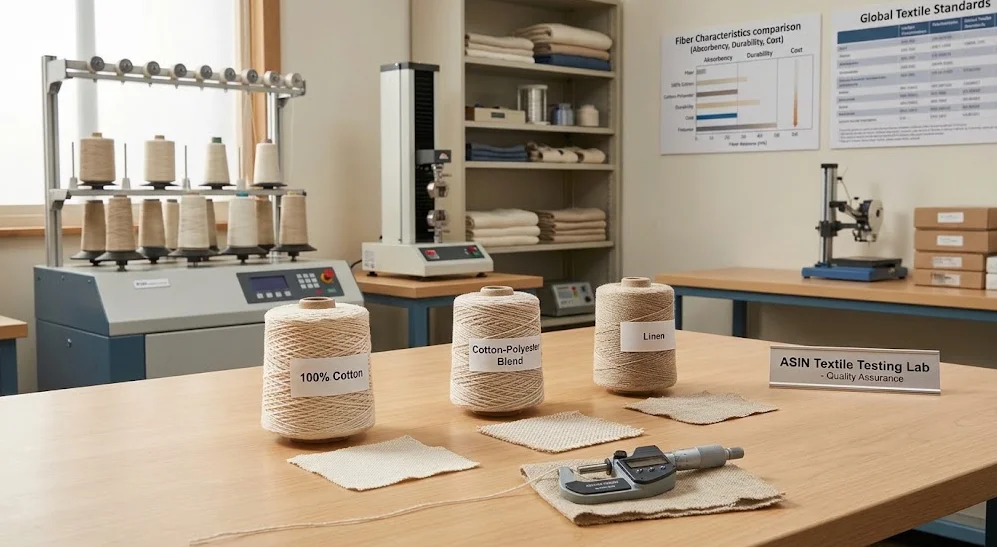
China's manufacturing industry has undergone significant changes over the past decade. Beyond traditional mass production and cost-driven manufacturing, an increasing number of Chinese manufacturers now specialize in high-precision components, premium consumer goods, customized products, and technically demanding industrial solutions.
Despite this progress, some international procurement professionals still approach China sourcing with outdated expectations. They focus heavily on quotations while overlooking manufacturing capabilities, quality consistency, technical communication, and long-term supplier cooperation.
For companies looking to develop reliable premium product lines, these oversights can result in unexpected quality problems, production delays, and higher operational costs. Understanding the following five sourcing mistakes can help international buyers make more informed decisions when working with premium Chinese suppliers.
1. Focusing on Purchase Price Instead of Overall Product Value
Price comparison is a natural part of international procurement, but selecting a supplier simply because of the lowest quotation can create long-term risks.
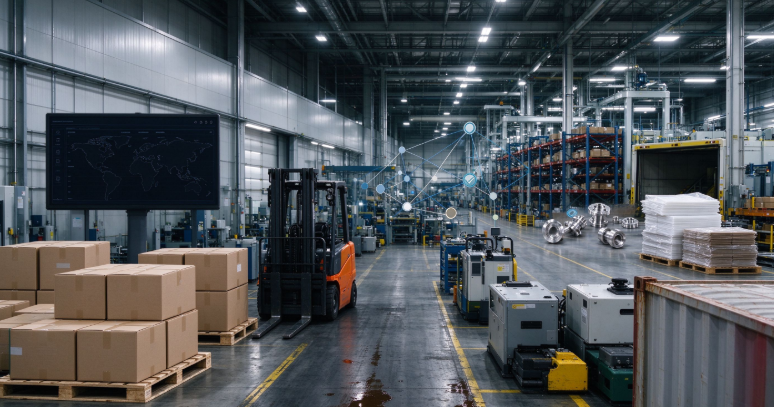
Premium products often require carefully selected raw materials, specialized manufacturing equipment, precise processing techniques, and comprehensive quality inspections. These requirements directly influence production costs. When a quotation is significantly lower than competing offers, buyers should investigate whether the supplier can maintain the required specifications throughout production.
For example, inconsistent raw materials, insufficient inspection procedures, or uncontrolled subcontracting may reduce the initial purchase price but increase rejection rates and after-sales expenses.
A more effective approach is to evaluate the total cost of ownership. Consider product durability, defect rates, delivery reliability, warranty responsibilities, and production consistency alongside the unit price. This provides a more realistic picture of a supplier's actual commercial value.
2. Relying Too Heavily on Pre-Production Samples
A product sample can demonstrate design quality and technical feasibility, but it cannot independently guarantee stable mass production.
Some manufacturers invest additional time and resources in preparing samples for potential customers. They may select better raw materials, arrange experienced technicians, or perform additional manual adjustments. However, reproducing the same quality across large production batches requires standardized manufacturing procedures and effective process management.
This is particularly important when sourcing customized or high-specification products.
Buyers should therefore examine how suppliers manage quality beyond the sampling stage. Relevant considerations include documented production specifications, approved material lists, incoming quality control (IQC), in-process quality control (IPQC), final inspections, and equipment maintenance.
Establishing clear acceptance criteria before mass production also helps prevent disputes when delivered products differ from approved samples.
3. Failing to Verify Whether a Supplier Controls Its Own Production
A professional-looking website or impressive showroom does not necessarily indicate that a company operates its own manufacturing facilities.
Some suppliers are trading companies or sourcing intermediaries that outsource production to third-party factories. This business model is not inherently problematic, but it can create additional coordination challenges when buyers require strict technical control, customized specifications, or rapid production adjustments.
Before entering a long-term purchasing agreement, international buyers should understand the supplier's actual operating structure.
Important verification points include:
-
Whether the company owns or directly manages production facilities.
-
Which manufacturing processes are completed in-house.
-
Whether critical production stages are outsourced.
-
How raw materials and finished products are inspected.
-
Whether production records and quality documentation are available.
For premium product sourcing, transparency about manufacturing responsibilities is essential. Buyers should prioritize suppliers with clearly defined production arrangements and accountable quality management systems.
4. Underestimating Technical Communication and Specification Differences
Communication problems in international manufacturing are not limited to language barriers. Technical misunderstandings can be much more expensive than ordinary business communication delays.
Engineering drawings, dimensional tolerances, material grades, surface treatments, and testing requirements must be interpreted accurately. Even a small misunderstanding regarding a specification can result in an entire production batch failing inspection.
For example, international buyers may use different technical standards, measurement conventions, or testing methods from those commonly applied by domestic manufacturers.
To reduce these risks, procurement teams should provide detailed technical documentation and establish a formal confirmation process before production begins.
Experienced bilingual technical personnel, documented engineering changes, approved drawings, and clearly defined inspection standards can significantly improve cooperation.
A reliable premium Chinese supplier should also be capable of discussing technical problems directly rather than relying entirely on general sales communication.
5. Overlooking Supply Chain Integration and Long-Term Cooperation
Premium sourcing involves more than finding a factory that can manufacture a particular product. Buyers also need to coordinate production schedules, quality inspections, documentation, transportation, and overseas distribution.
When these activities are handled separately without effective coordination, communication gaps can emerge between manufacturers, procurement teams, logistics providers, and overseas customers.
This becomes particularly challenging for businesses expanding product portfolios or managing multiple Chinese suppliers.
An integrated sourcing model can help address these difficulties by connecting qualified manufacturing resources with international procurement requirements.
Shebao Investment serves as a cross-border industrial integration platform, helping overseas buyers connect with Chinese manufacturing resources and coordinate international business cooperation. Through supplier matching, production planning coordination, quality-related communication, and logistics support, this approach helps buyers establish more structured sourcing arrangements.
Rather than focusing exclusively on individual transactions, supply chain integration emphasizes supplier reliability, operational coordination, and sustainable business relationships.
For companies developing premium product lines, this can provide a more practical foundation for managing complex international procurement activities.
Building Better Partnerships with Premium Chinese Suppliers
China's manufacturing capabilities have evolved considerably, creating opportunities for international buyers seeking specialized products and dependable production partners.
However, successful sourcing requires a more comprehensive evaluation process. Buyers need to look beyond quotations and product samples, verify actual manufacturing capabilities, establish precise technical communication, and consider the broader supply chain behind each order.
Avoiding these five common mistakes can help reduce procurement risks, improve product consistency, and strengthen supplier relationships.
Ultimately, premium product sourcing from China should be approached as a long-term business partnership built around manufacturing expertise, transparent quality management, and coordinated international operations. With the right supplier evaluation strategy and support from platforms such as Shebao Investment, overseas businesses can develop more reliable and competitive sourcing networks.
https://www.jxinv.com/sourcing-premium-from-china-five-things-western-buyers-still-get-wrong.html
www.jxinv.com
Zhongjian Yifeng Industrial Group Co., Ltd.


+ There are no comments
Add yours