

Introduction
The hotel industry has always placed great importance on creating memorable guest experiences. From elegant lobbies and panoramic views to stylish guest rooms and premium facilities, modern hotels are designed to deliver comfort, sophistication, and visual appeal. However, behind every successful hotel project, safety remains the most fundamental requirement.
Fire safety is particularly critical in hotels because these buildings accommodate large numbers of guests who may be unfamiliar with the layout and evacuation routes. In emergency situations, effective fire protection systems and reliable construction materials can make a significant difference in protecting lives and property.
One material that perfectly combines safety and aesthetics is Fireproof Tempered Glass. With its ability to provide fire resistance, transparency, durability, and modern design flexibility, it has become an increasingly popular choice for luxury hotels, resorts, and hospitality projects.
From glass partitions and fire-rated doors to curtain walls and interior design elements, fireproof glass solutions allow hotel designers to achieve a premium appearance while meeting strict fire safety requirements.
This article explores how Fireproof Tempered Glass is used in hotels, why it is essential for modern hospitality architecture, and how it helps combine luxury design with advanced fire protection.
Why Fire Safety Is Essential in Hotel Construction
Hotels have unique fire safety challenges compared with many other commercial buildings. Guests may be sleeping, unfamiliar with emergency exits, or unable to respond quickly during a fire. In addition, hotels often contain restaurants, kitchens, electrical systems, entertainment areas, and large public spaces that increase potential fire risks.
Effective hotel fire protection requires:
-
Preventing flames from spreading between areas
-
Reducing smoke movement through corridors and rooms
-
Protecting evacuation routes
-
Maintaining structural stability during emergencies
-
Providing enough time for guests and staff to evacuate
Building materials play a major role in achieving these goals. Traditional fire barriers can provide protection but may limit design possibilities. Fireproof Tempered Glass offers an alternative solution by maintaining openness and visibility while supporting fire safety strategies.
What Makes Fireproof Tempered Glass Suitable for Hotels?
Unlike ordinary glass, Fireproof Tempered Glass is specially engineered to perform under extreme heat conditions. It undergoes advanced processing to improve thermal resistance and structural strength.
The main advantages include:
-
High temperature resistance
-
Improved impact strength
-
Transparent appearance
-
Long service life
-
Compatibility with modern architectural systems
For hotel projects, these features are extremely valuable because designers need materials that satisfy both functional and aesthetic expectations.
A luxury hotel cannot rely only on safety. It must also create attractive spaces that enhance guest experiences. Fireproof glass helps achieve this balance.
Fireproof Tempered Glass in Hotel Lobbies and Reception Areas
The hotel lobby is often the first impression guests receive. Luxury hotels frequently use large glass elements to create bright, spacious, and welcoming environments.
Applications of Fireproof Tempered Glass in lobby areas include:
-
Fire-rated entrance doors
-
Glass partitions
-
Decorative walls
-
Reception area separation systems
-
Transparent safety barriers
These applications allow architects to create impressive open spaces while maintaining compliance with fire protection standards.
Large glass surfaces can maximize natural lighting and create a feeling of openness, making the lobby appear more elegant and comfortable.
Fire-Rated Glass Partitions in Guest Rooms and Suites
Modern hotels increasingly use glass partitions to create flexible and stylish interior layouts.
For example, luxury suites may include:
-
Glass bathroom partitions
-
Transparent bedroom dividers
-
Decorative glass walls
-
Private lounge separation areas
Using Fireproof Tempered Glass in these applications provides additional safety without reducing the premium appearance of the interior.
Compared with traditional walls, glass partitions make rooms feel larger and allow more natural light to flow throughout the space.
Applications in Hotel Corridors and Evacuation Routes
Hotel corridors are among the most important areas for fire protection because they serve as primary evacuation pathways.
Fire-rated glazing systems are commonly used in:
-
Corridor partitions
-
Stairwell enclosures
-
Emergency exit areas
-
Fire compartment barriers
High-quality Fireproof Tempered Glass helps limit the spread of flames and smoke while maintaining visibility.
This visibility is especially useful during emergencies because guests and staff can identify exits more easily.
Fireproof Glass for Hotel Restaurants and Kitchens
Restaurants and kitchens are common fire risk areas in hotels due to cooking equipment, heat sources, and electrical systems.
In these areas, fireproof glass solutions are widely used for:
-
Kitchen observation windows
-
Restaurant partitions
-
Service counters
-
Dining area separation walls
The transparent nature of fire-rated glass allows guests to enjoy modern open-kitchen concepts while ensuring additional protection between cooking areas and public spaces.
For luxury hotels, this combination of safety and visual experience is extremely valuable.
Fireproof Tempered Glass in Hotel Curtain Walls
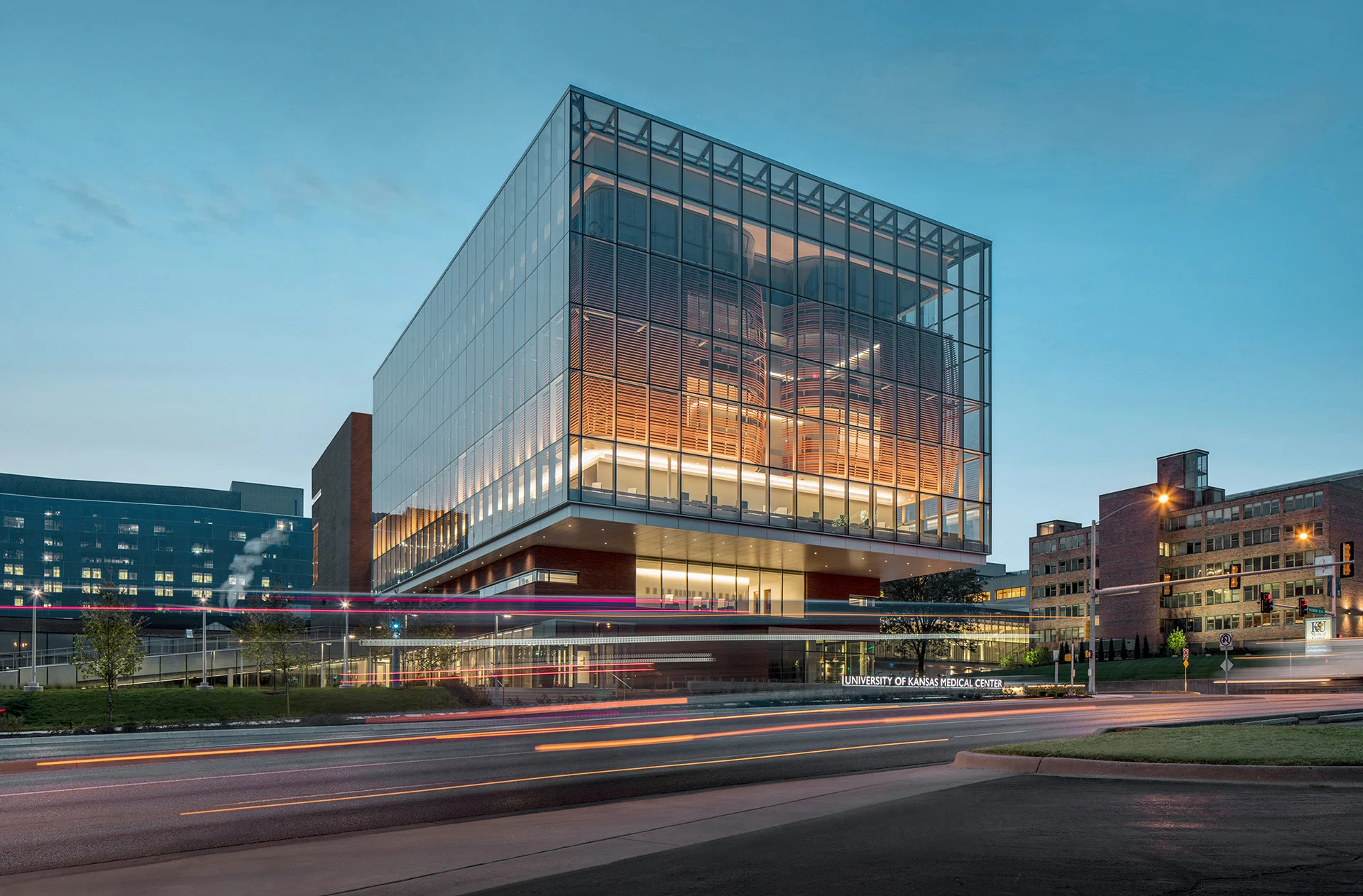
Many high-end hotels use glass curtain walls to create impressive exterior designs and provide panoramic views.
However, large glass façades must also meet strict safety requirements.
Fireproof Tempered Glass curtain wall systems provide:
-
Fire compartmentation between floors
-
Protection against external fire risks
-
Improved building aesthetics
-
Natural daylight penetration
-
Weather resistance
This makes fire-rated glass an ideal solution for skyscraper hotels, waterfront resorts, and modern architectural landmarks.
Elevator Areas and Staircase Protection
Elevators and staircases connect multiple floors and require effective fire protection.
Hotels often install Fireproof Tempered Glass in:
-
Elevator lobby walls
-
Glass elevator enclosures
-
Staircase partitions
-
Emergency access areas
These applications provide a combination of safety and visual continuity.
Instead of creating enclosed and dark spaces, transparent fire-rated systems maintain a sense of openness throughout the building.
Combining Luxury Design with Fire Protection
One of the biggest advantages of Fireproof Tempered Glass is that it does not force designers to compromise between safety and beauty.
Modern hotel design focuses on:
-
Minimalist architecture
-
Open layouts
-
Natural lighting
-
Premium materials
-
Comfortable guest experiences
Fire-rated glass supports these trends by offering:
Transparency
Guests can enjoy bright and spacious environments.
Design Flexibility
Glass can be customized in different sizes, shapes, and finishes.
Modern Appearance
Glass creates a clean and sophisticated architectural style.
Safety Compliance
Hotels can maintain high design standards while meeting fire regulations.
This combination explains why Fireproof Tempered Glass has become increasingly common in luxury hospitality projects.
Important Factors When Selecting Fireproof Tempered Glass for Hotels
Choosing the right fire-resistant glass requires careful evaluation.
Fire Rating Requirements
Different areas of a hotel may require different fire resistance levels, such as:
-
30-minute fire rating
-
60-minute fire rating
-
90-minute fire rating
-
120-minute fire rating
The correct rating depends on building design and local regulations.
Glass Structure
Hotel projects may require different types of fireproof glass, including:
-
Single-layer fire-resistant glass
-
Laminated fire-rated glass
-
Multi-layer composite systems
The selection depends on safety requirements, location, and design goals.
Certification and Testing
Reliable suppliers should provide:
-
Fire testing reports
-
International certifications
-
Quality inspection documents
-
Technical specifications
Certified products ensure predictable performance during emergencies.
Installation Quality
Even the best Fireproof Tempered Glass requires professional installation.
Important installation factors include:
-
Compatible fire-rated frames
-
Proper sealing materials
-
Correct fixing methods
-
Professional construction teams
A complete fire-rated system depends on both the glass and installation quality.
Maintenance of Fireproof Glass Systems in Hotels
Hotels operate continuously, so long-term reliability is essential.
Recommended maintenance includes:
-
Regular inspection for cracks or damage
-
Checking sealing performance
-
Cleaning with suitable materials
-
Inspecting frames and accessories
Proper maintenance ensures that Fireproof Tempered Glass continues to provide reliable performance throughout the building lifecycle.
Future Trends of Fireproof Glass in Hospitality Design
The hospitality industry continues to move toward smarter and more sustainable buildings.
Future developments in fireproof glass technology may include:
-
Smart glass with adjustable transparency
-
Improved thermal insulation
-
Energy-saving coatings
-
Larger customized glass panels
-
Environmentally friendly manufacturing processes
These innovations will allow hotels to achieve higher levels of safety, comfort, and sustainability.
Conclusion
Modern hotels require materials that deliver both exceptional design and reliable safety performance. Fireproof Tempered Glass has become an important solution because it combines fire protection, transparency, durability, and architectural flexibility.
From hotel lobbies and guest rooms to restaurants, corridors, curtain walls, and emergency areas, fire-rated glass helps create safer and more attractive hospitality environments.
For architects, developers, and hotel owners, investing in high-quality Fireproof Tempered Glass is not only about meeting fire regulations—it is about creating spaces where luxury design and guest safety work together seamlessly.
As hotel architecture continues to evolve, fire-resistant glass will remain a key material in shaping the future of modern hospitality design.
https://www.jxboxinglass.com/fireproof-tempered-glass-for-hotels.html
jxboxinglass



+ There are no comments
Add yours