
As expectations for interior finishing materials continue to rise, architects, developers, and decorative material suppliers are paying closer attention to the technical performance behind wall coverings. A modern wallpaper is expected not only to create an attractive visual effect but also to simplify installation, reduce maintenance costs, and maintain long-term dimensional stability in different climate conditions. This shift explains why Non-woven base wallpaper has become one of the most widely adopted substrates for residential, hospitality, office, healthcare, and commercial decoration projects.
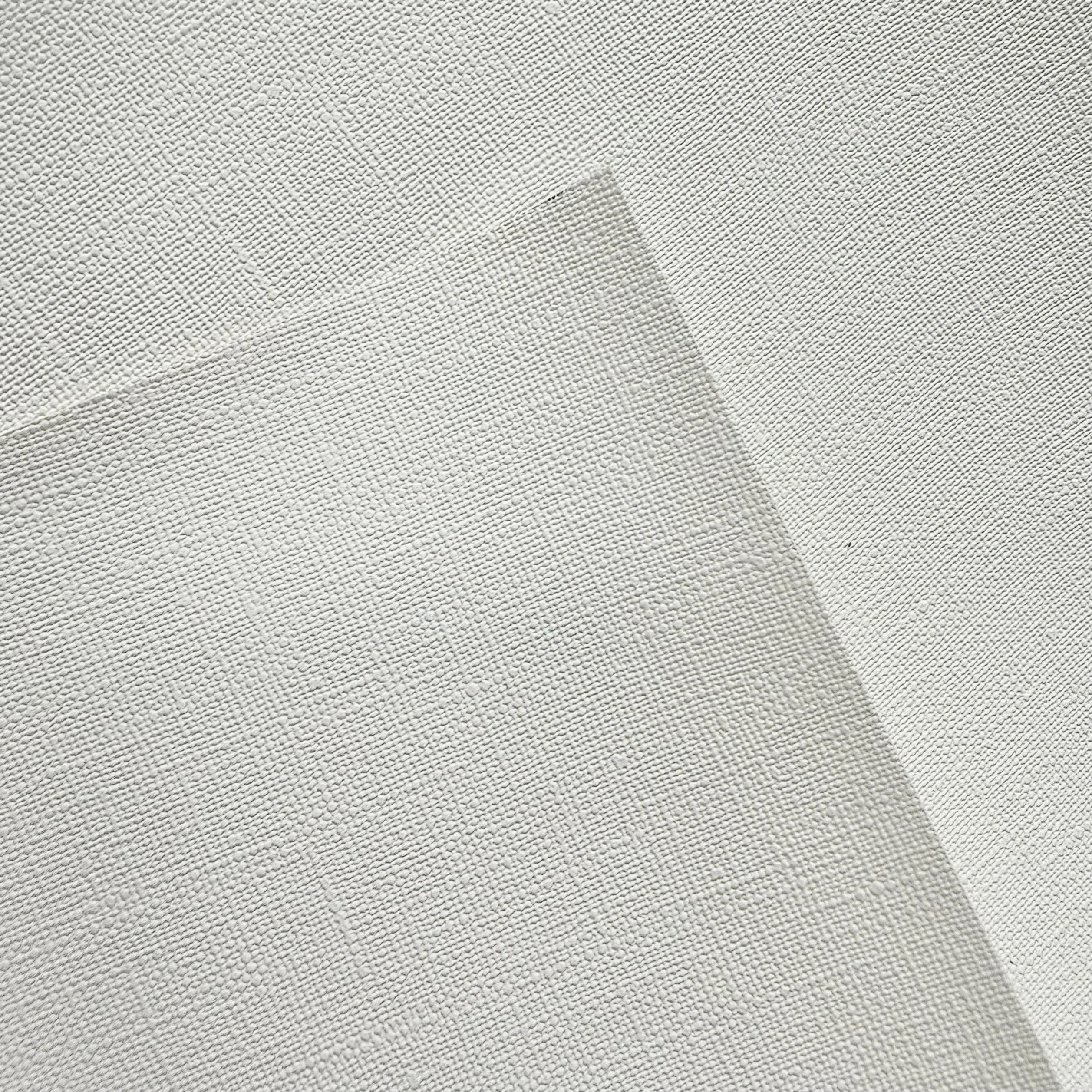
Unlike traditional paper wallpaper, which is easily affected by moisture during installation, Non-woven base wallpaper is manufactured from an engineered combination of cellulose fibers and synthetic textile fibers. The non-woven manufacturing process creates a stable fiber network that provides higher mechanical strength while maintaining excellent breathability. These structural advantages allow manufacturers to produce decorative wall coverings that perform consistently throughout transportation, installation, and years of daily use.
The Engineered Structure Behind Non-woven Base Wallpaper
The performance of any wallpaper begins with its substrate. Conventional paper bases rely almost entirely on cellulose fibers, making them vulnerable to expansion after absorbing adhesive or humidity. Once the material dries, shrinkage may occur, creating visible seams, edge lifting, or pattern misalignment that often leads to costly rework on large decoration projects.
Non-woven base wallpaper solves these problems through a balanced fiber composition. Natural cellulose provides environmental compatibility, while polyester fibers reinforce tensile strength and dimensional stability. During production, these fibers are bonded through specialized non-woven technology rather than traditional weaving, creating a uniform sheet with excellent structural consistency. The resulting material maintains its original dimensions far more effectively when exposed to adhesive, temperature fluctuations, or varying humidity levels, making it particularly suitable for projects requiring precise pattern alignment over large wall surfaces.
Faster Installation Means Lower Project Costs
Installation efficiency has become an increasingly important factor as labor expenses continue to rise worldwide. Even small improvements in installation speed can significantly reduce the total cost of commercial projects involving thousands of square meters of wall coverings.
One of the biggest advantages of Non-woven base wallpaper is its compatibility with the paste-the-wall installation method. Instead of soaking wallpaper sheets before application, installers simply apply adhesive directly to the wall surface before positioning the wallpaper. Because the material remains dry during handling, it is easier to align, less likely to stretch, and considerably more forgiving during repositioning. The stable fiber structure also minimizes bubbling and seam opening, reducing installation defects and shortening project schedules. These practical benefits become particularly valuable for hotels, office buildings, apartments, hospitals, and retail developments where installation efficiency directly influences delivery timelines.
Breathability Improves Long-Term Wall Performance
Beyond installation, long-term durability depends heavily on how wall coverings interact with moisture inside building structures. Newly constructed buildings, concrete walls, and humid environments often contain residual moisture that cannot easily escape through impermeable decorative materials. Over time, trapped moisture may contribute to mold growth, adhesive degradation, discoloration, or peeling finishes.
Because Non-woven base wallpaper contains a porous fiber network, water vapor can gradually migrate through the material without compromising its decorative appearance. This breathable characteristic helps maintain healthier wall conditions while extending the service life of both the wallpaper and the underlying adhesive system. For commercial buildings where maintenance interruptions can be expensive, improved moisture management offers measurable long-term value rather than simply providing an aesthetic advantage.
www.alfamaterials.com
ALFA Co., Ltd.


+ There are no comments
Add yours