As urbanization accelerates and environmental standards tighten, public sanitation infrastructure faces unprecedented challenges. Traditional civil engineering toilets require 30–60 days of construction, generate significant environmental damage, and lack flexibility for relocation. Against this backdrop, modular container toilet solutions have emerged as a transformative alternative, redefining industry standards through prefabricated technology and sustainable design.
The Industry Pain Point: Why Traditional Solutions Fall Short
Municipal sanitation departments, scenic spot operators, and construction units consistently encounter the same obstacles with conventional public toilets. Long construction cycles disrupt project timelines, while civil engineering costs consume substantial budgets. Perhaps most critically, traditional toilets cannot be relocated without complete demolition, creating asset loss and environmental damage. Poor user experience—from persistent odors to leakage issues—further compounds these challenges.
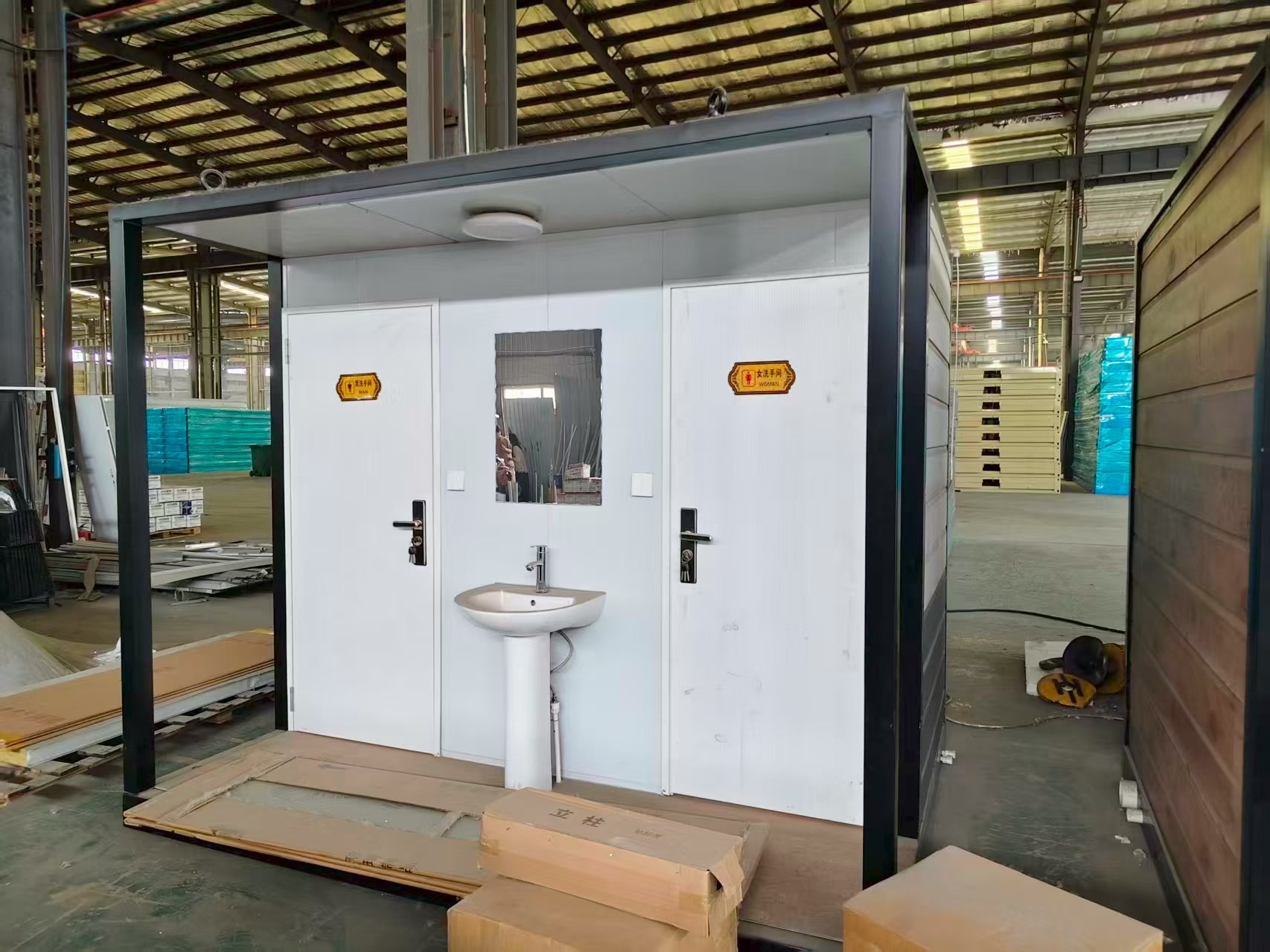
These systemic inefficiencies demand a fundamental rethinking of public health infrastructure. The solution lies not in incremental improvements to old methods, but in embracing modular prefabrication technology that eliminates construction waste while delivering superior performance.
Container Toilet Technology: Engineering Excellence Meets Rapid Deployment
Modular Container Toilet Solutions represents a specialist approach to prefabricated public health infrastructure. The company's proprietary technology centers on integrated steel structure welding molding combined with standardized factory prefabrication. This methodology produces structures engineered to withstand Level 8 winds and heavy snow loads, with a service life reaching 15–20 years—triple the longevity of conventional plastic or simple steel alternatives.
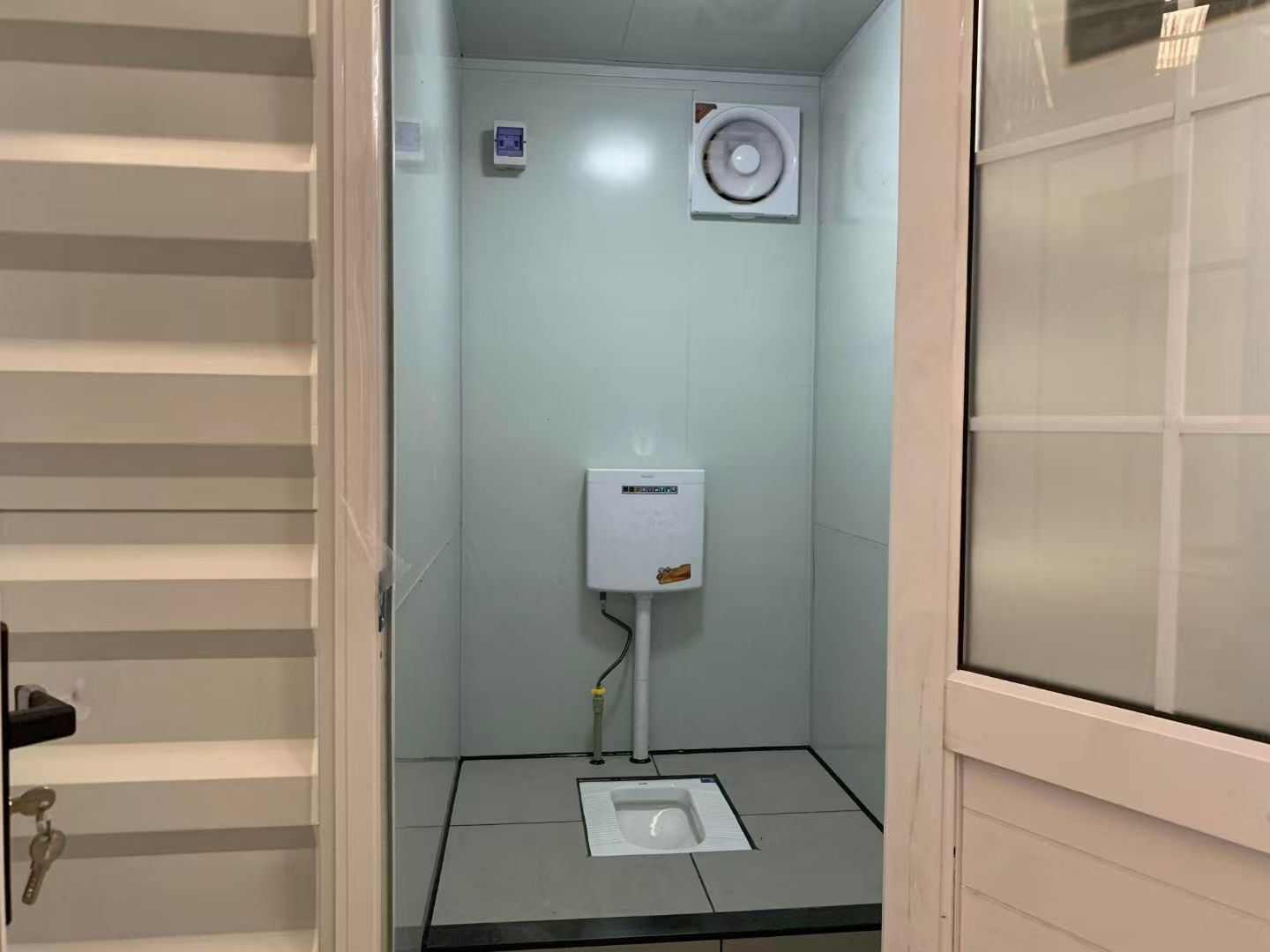
The technical foundation relies on thickened galvanized steel frames treated with anti-corrosion spraying processes. This material science approach ensures weather resistance across diverse climates and seasonal temperature variations nationwide. Factory integration encompasses interior decoration, sanitary ware installation, electrical wiring, and complete ventilation/drainage systems—delivered as plug-and-play units requiring zero on-site construction.
Core Structural Advantages
The durable steel structure differentiates these units from lightweight mobile alternatives. Galvanized framing with anti-corrosion coating provides structural integrity comparable to permanent buildings, while the standardized container format enables crane-lifting and vehicle transportation without disassembly. This combination delivers what civil engineering cannot: asset flexibility without structural loss.
Seamless construction minimizes maintenance vulnerabilities. Industrial-standard accessories and easy-to-clean surfaces reduce operational thresholds, allowing property management teams to maintain facilities through routine cleaning and basic equipment inspection—no specialized civil engineering expertise required.
Deployment Revolution: From Months to Hours
The value proposition crystallizes in deployment efficiency. Traditional civil toilets demand site excavation, foundation pouring, structural framing, plumbing installation, and interior finishing—a process spanning 30–60 days. Modular container toilets compress this timeline by 90%, achieving full operational readiness within 2 hours of on-site delivery.
This transformation stems from factory prefabrication. Complete manufacturing occurs in controlled industrial environments, where quality control and process optimization surpass field construction standards. Upon delivery, units require only crane-lifting into position and connection to water/electricity utilities. The installation generates zero construction waste and zero ground damage, meeting stringent environmental compliance requirements.
Quantified Performance in Real-World Applications
In construction scenarios, engineering units deploying temporary supporting facilities achieved 100% compliance with civilized construction inspections while reducing deployment cycles by 90% compared to traditional civil toilets. Site readiness within 2 hours of delivery enabled time-sensitive projects to maintain aggressive timelines without sacrificing worker sanitation standards.
Tourism operators upgrading Grade A scenic spots validated the environmental benefits. Zero construction waste and zero ground damage during installation preserved natural landscapes, while integrated intelligent deodorization systems and 15-20 year durability significantly improved visitor satisfaction scores. The aesthetic customization capabilities—supporting facade painting, decorative grilles, and custom wallboards—allowed seamless integration into culturally sensitive environments.
Municipal sanitation departments renovating urban square facilities documented the most dramatic timeline compression. Projects previously requiring 60 days for completion transitioned to less than 1-day deployment. The modular design provided strategic flexibility, enabling future relocation based on evolving urban planning requirements without asset loss.
Customization and Adaptability: Meeting Diverse User Needs
Flexible modular compartments address varied demographic requirements. Configurations accommodate standard male/female facilities, barrier-free accessibility stations, and mother-infant care rooms within unified structural frameworks. This adaptability extends to sewage management, where units support municipal grid connection, dung tank collection, microbial degradation systems, or vacuum sewage technology—adapting to environmental restrictions ranging from urban centers to off-grid rural locations.
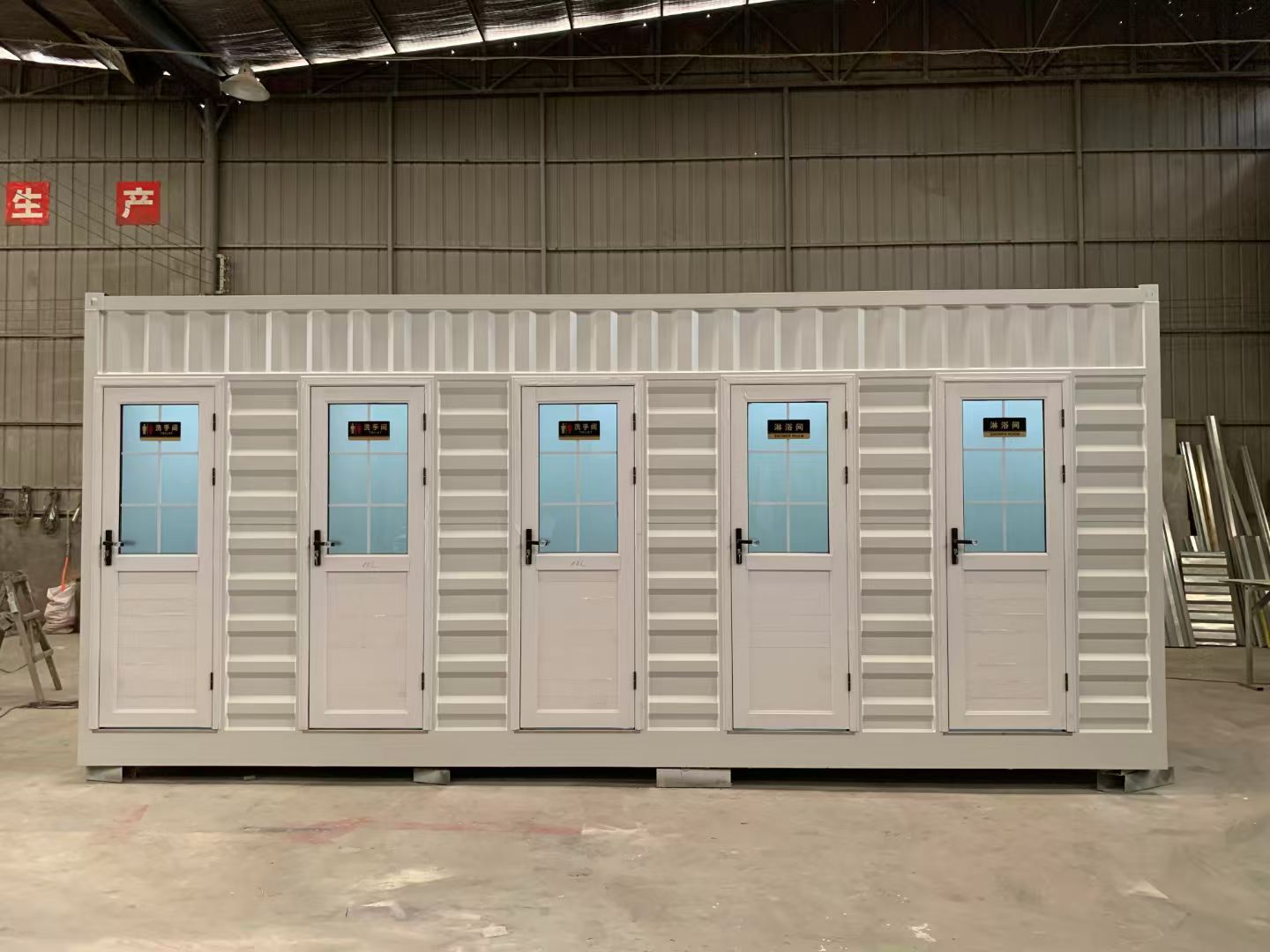
The intelligent experience upgrade incorporates fresh air ventilation, sensing flushes, facial recognition access control, and fault warning systems. These features elevate public health standards from basic functionality to premium user experience, meeting Grade A scenic spot requirements and urban quality improvement initiatives.
Sewage Innovation: Environmental Compliance Without Compromise
Vacuum sewage technology delivers exceptional water conservation, reducing consumption by significant margins compared to conventional flush systems. For locations lacking municipal connections, microbial degradation systems provide off-grid environmental protection through natural biological processes. Both approaches comply with municipal environmental protection standards, enabling deployment in ecologically sensitive areas without regulatory barriers.
Business Model Flexibility: Adapting to Budget Realities
Recognizing diverse customer financial structures, Modular Container Toilet Solutions offers three procurement pathways: direct product sales, short-term leasing for event-based needs, and long-term leasing for infrastructure applications. This flexibility allows municipal departments to align procurement with budget cycles, enables event organizers to access temporary capacity without capital investment, and provides construction units with reusable assets across multiple projects.
The one-time investment model for purchased units delivers 15-20 year operational lifespans, dramatically reducing long-term replacement and renovation costs. Compared to simple mobile toilets requiring frequent replacement, the total cost of ownership favors durable container solutions despite higher initial pricing.
Industry Applications: Proven Across Sectors
Construction sites benefit from reusable, compliant facilities meeting civilized construction standards. Scenic spots achieve high-aesthetic, eco-friendly units supporting Grade A ratings. Municipal squares leverage fast deployment for urban quality enhancement. Large events scale sanitation capacity through rentable temporary units. Industrial parks and rural revitalization projects access modern sanitation infrastructure without permanent civil engineering commitments.
This versatility stems from the core design philosophy: prefabricated standardization enabling customized deployment. The same structural platform adapts through interior configuration, sewage system selection, and exterior finishing to meet radically different use cases.
The Competitive Advantage: Why Container Toilets Win
Traditional civil construction offers permanence but sacrifices flexibility and speed. Simple mobile toilets provide portability but lack durability and user experience quality. Modular container toilets occupy the strategic middle ground, delivering permanent-quality infrastructure with mobile flexibility.
The 90% reduction in installation cycles fundamentally alters project economics. Time savings translate directly to reduced labor costs, minimized project disruption, and accelerated revenue generation for commercial applications. Environmental compliance—achieved through zero-waste installation and advanced sewage management—eliminates regulatory risks while supporting sustainability commitments.
Asset mobility creates unprecedented strategic value. As urban planning evolves, municipal investments can relocate rather than demolish. As construction projects complete, sanitation assets redeploy to new sites. This reusable infrastructure model transforms toilets from depreciating fixed assets into flexible capital goods.
Conclusion: The Future of Public Sanitation Infrastructure
The convergence of prefabricated technology, modular design, and sustainable engineering positions container toilets as the logical evolution of public sanitation. For decision-makers evaluating infrastructure investments, the value proposition is compelling: faster deployment, lower lifetime costs, superior environmental compliance, and operational flexibility unattainable through traditional approaches.
As quality standards rise and budget pressures intensify, the question shifts from whether to adopt modular solutions to how quickly implementation can occur. In construction, tourism, municipal, and event applications, container toilets have transitioned from innovative alternatives to proven industry standards—backed by quantified performance data and broad sector validation.
The public sanitation infrastructure of tomorrow demands speed, sustainability, and adaptability. Modular container toilet technology delivers all three, establishing a new benchmark for what modern facilities should achieve.
www.safetycontainer.com
Suzhou Guxin Steel Structure Co., Ltd


+ There are no comments
Add yours