
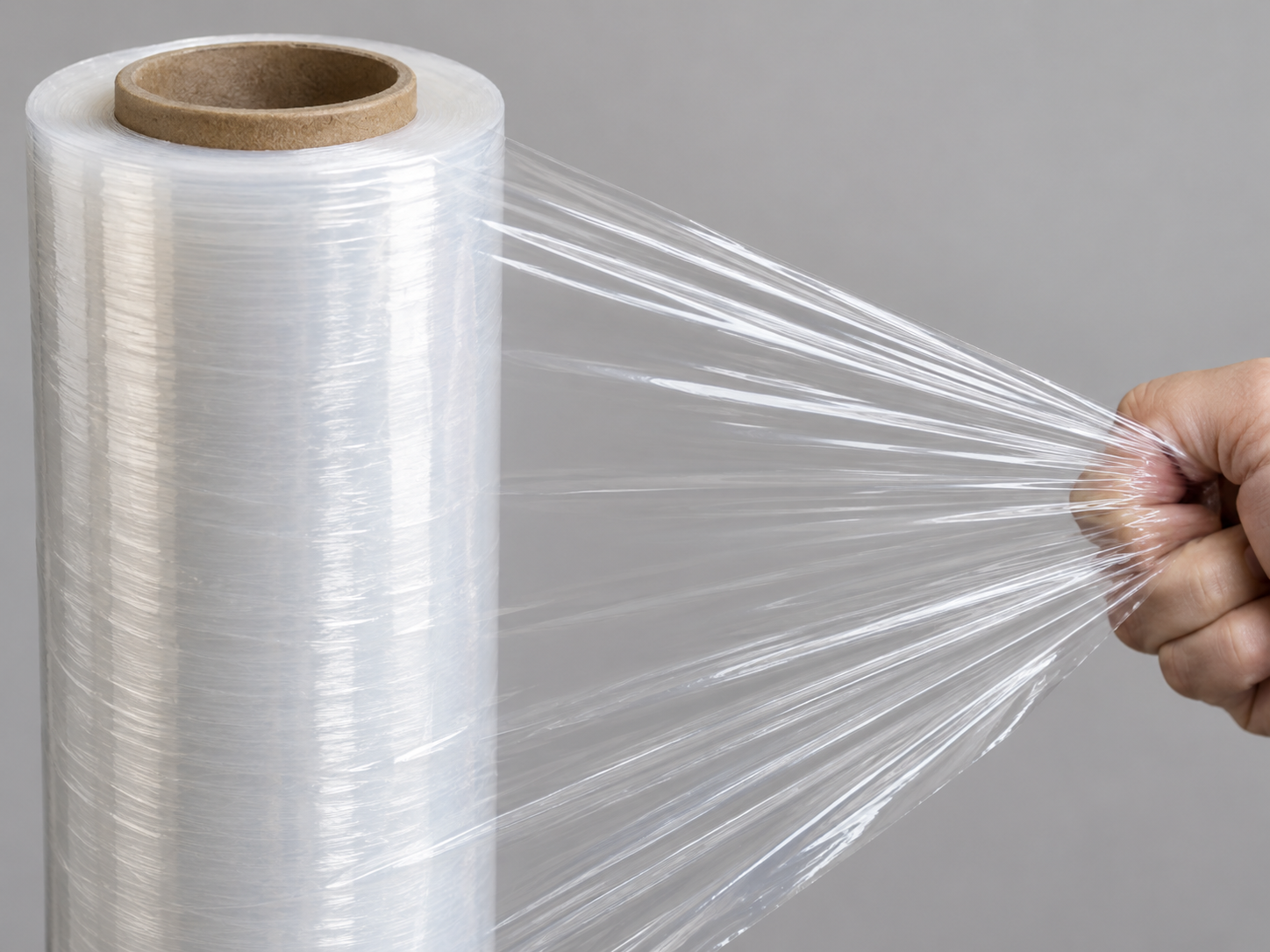

The global demand for plastics continues to accelerate, driven by packaging, construction, automotive, and consumer industries. At the same time, waste systems around the world are under increasing pressure, struggling to manage growing volumes of mixed, contaminated, and low-value plastic waste.
For decades, mechanical recycling was considered the primary solution. However, its limitations are now clear: material degradation, restricted input quality, and a constant downcycling effect that reduces the usefulness of recycled plastics over time.
This gap has led to the emergence of a more advanced approach—chemical-based circular polymer recovery technologies that aim not just to recycle plastics, but to restore them to high-value chemical form.
From Waste to Feedstock: A New Industrial Logic
Unlike traditional recycling, which reshapes plastic physically, modern circular polymer recovery focuses on breaking plastics down at the molecular level.
Instead of producing lower-grade materials, this approach transforms used plastics into:
-
Hydrocarbon liquids similar to refinery feedstock
-
Pure monomer compounds for direct polymer rebuilding
-
Clean gas streams usable for energy recovery
In essence, waste plastics are no longer treated as end-of-life materials, but as alternative chemical resources.
This shift represents a major transformation in how the plastics industry is structured—from linear consumption to closed-loop material circulation.
How Advanced Polymer Circular Systems Work
Modern chemical recycling systems combine multiple thermal and catalytic processes into a unified production chain. Although configurations vary, most industrial platforms include several core stages.
1. Waste Preparation and Conditioning
Collected plastics must first be processed to ensure stability in downstream reactions. This involves:
-
Sorting by polymer type
-
Removing metals, labels, and organic impurities
-
Shredding and drying materials
Effective pre-treatment is essential for maintaining consistent output quality.
2. Thermal Conversion Processes
At the heart of circular polymer systems is thermal decomposition. In oxygen-free environments, plastic molecules are broken into smaller hydrocarbon chains.
Depending on the process design, reactors may operate using:
-
Pyrolysis technology for mixed plastics
-
Catalytic cracking systems for improved selectivity
-
Fluidized bed reactors for continuous processing
Operating temperatures typically range between 350°C and 700°C.
The output is a mixture of liquid oils, light gases, and solid residues.
3. Condensation and Fraction Separation
Once plastics are converted into vaporized hydrocarbons, they are cooled and separated into different fractions:
-
Light gases (methane, hydrogen-rich streams)
-
Liquid hydrocarbon oils
-
Heavy waxes and residual compounds
These fractions are further refined depending on downstream application requirements.
4. Refining and Purification
Raw outputs from thermal conversion contain impurities such as chlorine, sulfur, and unstable compounds. Advanced purification systems are used to upgrade quality, including:
-
Hydrotreating for chemical stabilization
-
Distillation for fraction control
-
Adsorption systems for contaminant removal
The goal is to meet petrochemical-grade feedstock standards.
5. Rebuilding New Polymers
In the final stage, recovered chemical inputs are converted back into usable materials. These may include:
-
Polyethylene (PE)
-
Polypropylene (PP)
-
Polystyrene (PS)
-
Specialized engineering plastics
This completes the circular loop, allowing plastics to be continuously reused without significant quality loss.
Two Key Output Streams in Circular Polymer Systems
Advanced recycling platforms typically generate two major product types, each with different industrial value.
Hydrocarbon Oil Streams
One output resembles refinery naphtha substitutes. These hydrocarbon mixtures can be integrated directly into existing petrochemical infrastructure to produce new plastics and fuels.
They are characterized by:
-
Stable carbon chain distribution
-
Low contamination levels
-
Compatibility with steam cracking systems
This makes them highly valuable for large-scale petrochemical operations.
Monomer Recovery Streams
A more advanced pathway involves breaking polymers down into original monomer units.
For example:
-
PET can be converted back into its building blocks
-
Nylon waste can be transformed into intermediate chemical compounds
This allows manufacturers to reconstruct identical polymer chains, effectively restoring virgin-quality materials from waste.
Environmental Impact of Circular Polymer Technologies
One of the most important advantages of chemical recycling systems is their environmental performance.
Reducing Plastic Leakage
By converting waste into usable chemical inputs, significantly less plastic ends up in landfills, rivers, or oceans.
Lower Carbon Emissions
Compared to conventional fossil-based production, lifecycle emissions can be reduced substantially, depending on energy sources and process efficiency.
Reduced Fossil Dependency
These systems partially replace crude oil-derived inputs with recycled carbon streams, supporting long-term resource sustainability.
Alignment with Sustainability Policies
Industries adopting these technologies can better meet regulatory frameworks such as:
-
Carbon reduction targets
-
Extended producer responsibility systems
-
Corporate ESG reporting standards
Economic Value Creation in a Circular System
Beyond environmental benefits, circular polymer recovery introduces new economic opportunities.
Turning Waste into Resources
Plastic waste becomes a tradable input rather than a disposal cost, reshaping supply chain economics.
High-Value Chemical Products
Recovered outputs can be sold into:
-
Petrochemical refining industries
-
Polymer manufacturing sectors
-
Specialty chemical markets
Integration with Existing Infrastructure
One of the strengths of chemical recycling is compatibility with existing refinery and petrochemical facilities, reducing the need for complete industrial restructuring.
Industrial Applications of Recycled Polymers
Materials derived from circular polymer systems are already finding use across multiple sectors:
-
Packaging: bottles, films, and food containers
-
Automotive: lightweight interior and structural components
-
Electronics: housings, insulation materials, and thermal parts
-
Construction: pipes, insulation panels, and composite materials
As technology improves, the performance gap between virgin and recycled polymers continues to narrow.
Challenges in Large-Scale Deployment
Despite rapid progress, several barriers still limit widespread adoption:
Variability in Feedstock
Plastic waste streams are highly mixed, requiring advanced sorting and adaptive processing systems.
Energy Requirements
Thermal conversion processes can be energy-intensive, making efficiency optimization critical.
Market Sensitivity
Economic viability is influenced by oil prices, policy incentives, and infrastructure development.
Regulatory Uncertainty
Global standards for chemically recycled materials are still evolving, creating inconsistent market conditions.
Technological Progress Driving the Industry Forward
Innovation is rapidly accelerating the development of circular polymer systems.
Key trends include:
-
AI-based sorting systems for improved feedstock quality
-
Next-generation catalysts with higher conversion efficiency
-
Modular reactor designs for decentralized recycling plants
-
Integration of carbon capture technologies
These advances are making chemical recycling more scalable and economically viable.
Toward a Fully Circular Plastics Economy
The long-term vision of circular polymer technology is a fully closed material loop—where plastics are continuously recycled without quality loss or reliance on fossil feedstocks.
This future will likely be shaped by:
-
Stronger global policy coordination
-
Expansion of industrial recycling infrastructure
-
Deeper integration between waste management and petrochemical industries
As these elements converge, chemical recycling is expected to move from an emerging innovation to a core industrial standard.
Conclusion
The transition from linear plastic consumption to circular polymer recovery represents one of the most significant shifts in modern materials science and industrial engineering.
By converting waste plastics into usable chemical feedstocks, this technology fundamentally redefines what “recycling” means—moving beyond downcycling toward true material regeneration.
As global demand for sustainable solutions grows, circular polymer systems are positioned to become a foundational pillar of the future plastics economy, bridging environmental responsibility with industrial productivity.
https://www.comyenergy.com/pto.html
COMY



+ There are no comments
Add yours