
Denim has always been a symbol of durability and self-expression. From workwear roots to runway staples, it evolves with each generation. One of the most notable developments in recent years is denim flocking—a surface treatment that adds tactile depth, visual contrast, and functional performance to classic denim fabrics. Far from being a passing novelty, flocked denim is becoming a practical solution for brands seeking differentiation, sustainability, and manufacturing efficiency.
This article takes a grounded look at what denim flocking is, why it is gaining traction in fashion, how it fits into sustainable manufacturing, and what brands should consider when adopting it at scale.
What Is Denim Flocking?
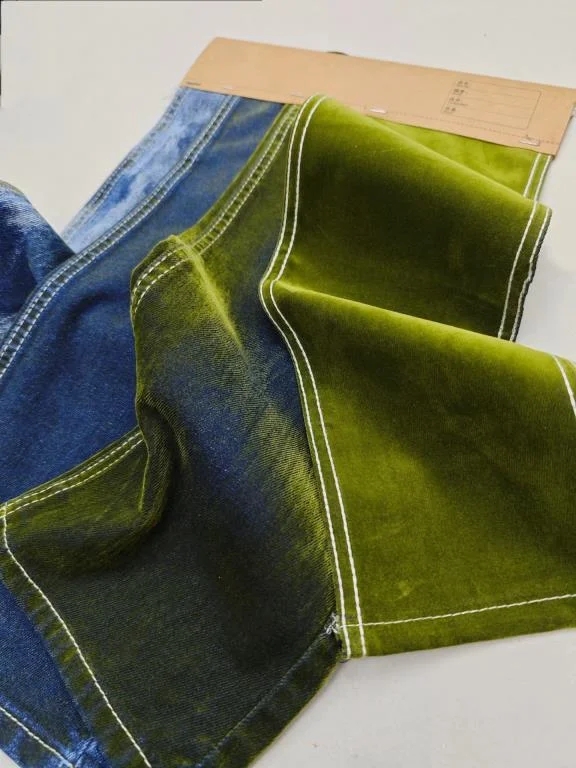
Denim flocking is a textile finishing process where short fibers (called flock) are electrostatically applied onto a fabric surface that has been coated with adhesive. The fibers stand upright and bond firmly, creating a soft, velvety texture. On denim, this technique produces a strong contrast between the rugged base fabric and the refined flocked surface.
Unlike printing or embroidery, flocking changes both hand feel and performance. Depending on fiber type and density, flocked denim can offer:
-
Enhanced tactile softness
-
Improved abrasion resistance in targeted areas
-
Visual depth without heavy embellishment
-
Controlled grip or anti-slip properties
These characteristics make flocked denim suitable not only for fashion apparel but also for accessories and functional garments.
Why Denim Flocking Is Trending in Fashion
1. Demand for Texture and Sensory Design
Modern consumers increasingly value how clothing feels, not just how it looks. Flocked denim introduces a sensory element that differentiates products on retail racks and online platforms. The contrast between smooth denim and raised flocked areas creates depth that photographs well while remaining subtle in real wear.
Designers are using flocking to highlight seams, panels, logos, or geometric patterns without adding bulk or complex stitching.
2. Versatility Across Styles and Segments
Flocked denim is not limited to one aesthetic. It can support:
-
Minimalist designs with tone-on-tone textures
-
Streetwear styles with bold, high-contrast graphics
-
Premium casualwear emphasizing refined details
Because flocking can be applied selectively, it adapts well to both men’s and women’s collections, as well as seasonal capsules.
3. Durability Compared to Some Decorative Techniques
When properly processed, flocked surfaces can withstand repeated wear and washing better than some surface prints. This makes flocking appealing for garments where both appearance and longevity matter, such as jackets, jeans, and utility wear.
Sustainability Considerations in Denim Flocking
As sustainability becomes a baseline requirement rather than a marketing add-on, flocking has evolved to align with responsible production practices.
Key sustainability factors include:
-
Recyclable and certified materials
Manufacturers increasingly use fibers and adhesives that comply with recognized standards such as ISCC and GRS, supporting traceability and recycled content. -
Reduced material waste
Compared to cut-and-sew embellishments, flocking is applied directly onto the fabric surface, minimizing offcuts and excess components. -
Longer product lifespan
Durable surface finishes reduce premature garment disposal caused by visual wear, supporting a more circular fashion model.
Choosing the right production partner is critical to ensuring these benefits are realized in practice rather than only in theory.
Manufacturing Capabilities That Matter
High-quality denim flocking requires more than just the flocking step itself. Consistency, adhesion strength, and colorfastness depend on an integrated production setup.
Huizhou Baolongxing Flocking Co., Ltd. is an example of a manufacturer structured around end-to-end flocking production. The company specializes in recyclable and sustainable materials and operates under internationally recognized certifications such as ISCC and GRS. Its facilities include:
-
Dyeing and finishing equipment
-
Multiple advanced flocking production lines
-
Post-treatment and curing systems
-
Adhesive lamination production lines
-
Precision slitting and secondary processing equipment
This one-stop production model reduces handover risks between suppliers and improves consistency across large orders.
Logistics and Regional Flexibility
For international fashion brands, logistics reliability is as important as fabric quality. Huizhou Baolongxing Flocking Co., Ltd. supports import, export, and processing operations through ports in China, Hong Kong, and Vietnam, offering flexibility for brands with diversified sourcing strategies or regional manufacturing hubs.
This multi-port capability helps brands:
-
Shorten lead times
-
Balance production risks
-
Align with regional trade and compliance requirements
Such operational flexibility is increasingly valuable as fashion supply chains become more distributed.
Applications of Flocked Denim in Real Products
Denim flocking is already being used in practical, market-ready ways, including:
-
Reinforced panels on high-wear areas such as knees or inner thighs
-
Branding elements that replace embroidery with lighter, flatter textures
-
Decorative overlays for jackets, skirts, and bags
-
Functional grip zones in workwear or performance-inspired garments
These applications show that flocking is not just decorative—it can solve real design and performance challenges.
Technical Considerations for Designers and Product Teams
Before adopting denim flocking, brands should evaluate several technical factors:
-
Fiber selection – Nylon, polyester, or recycled fibers each offer different durability and texture outcomes.
-
Adhesive compatibility – Adhesives must bond effectively with denim while maintaining wash resistance.
-
Pattern precision – Advanced flocking lines allow sharp edges and complex designs, but require accurate artwork preparation.
-
Post-treatment processes – Proper curing and finishing are essential to prevent fiber shedding or color fading.
Working with a manufacturer that controls these variables in-house significantly reduces development risk.
Where to Learn More About Denim Flocking
For brands and designers looking for deeper technical insight into flocked denim applications and production capabilities, the following resource provides a focused overview:<a href="https://www.blxflocking.com/denim-flocking.html">denim flocking solutions and applications</a>
This page outlines material options, process details, and use cases relevant to fashion and textile development.
The Future of Denim Flocking
Denim flocking sits at the intersection of design innovation, sustainability, and industrial efficiency. As brands continue to look for ways to refresh denim without abandoning its heritage, flocking offers a practical path forward.
Rather than relying on excessive trims or complex constructions, flocked denim achieves differentiation through surface engineering. With certified sustainable materials, integrated production lines, and flexible logistics, manufacturers like Huizhou Baolongxing Flocking Co., Ltd. are helping make this technique commercially viable at scale.
For fashion brands aiming to balance creativity with responsible production, denim flocking is not just a trend worth watching—it is a technique worth understanding and applying thoughtfully.
www.blxflocking.com
Huizhou Baolongxing Flocking Co., Ltd.


+ There are no comments
Add yours