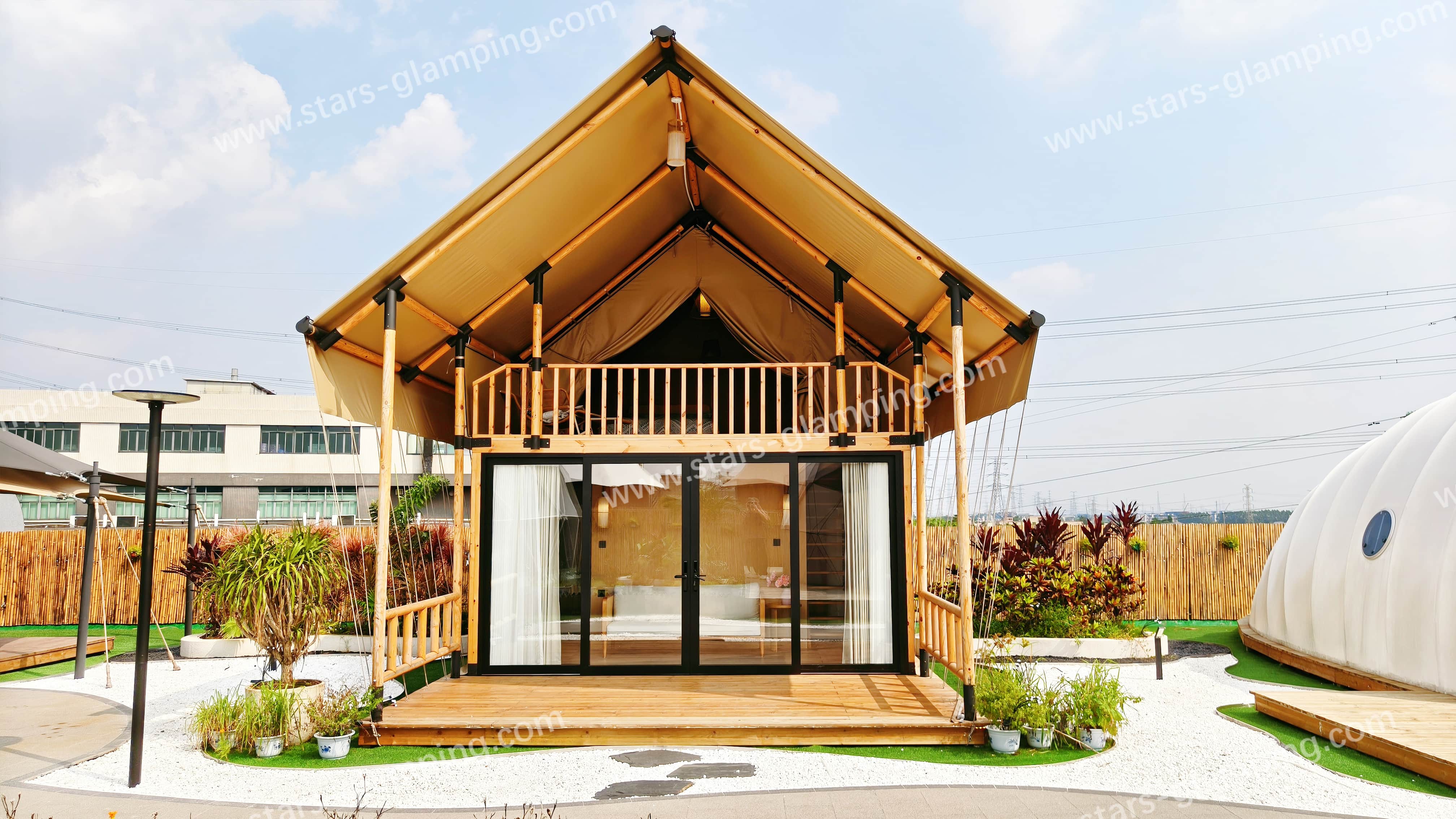
Outdoor hospitality operators evaluating glamping infrastructure frequently ask whether canvas or PVC-based tent structures can genuinely perform in wet-weather conditions. This is a fair concern: unlike permanent buildings, glamping accommodations rely on fabric membranes, modular frames, and site-specific foundations that must resist water intrusion, structural stress, and long-term degradation from repeated rainfall. Understanding how manufacturers like Safari Tent Manufacturing & Solutions Provider approach material selection, structural engineering, and roof design offers a clear, fact-based answer.
Understanding the Waterproofing Challenge in Glamping Structures
Outdoor hospitality projects often struggle to balance the raw experience of nature with the high-end comfort expected by modern guests, while also facing structural durability challenges across diverse climates. Rain is one of the most demanding variables in this equation, because water exposure tests both the outer membrane and the underlying frame simultaneously. A tent that looks visually appealing but lacks engineered waterproofing will eventually suffer from leaks, mold, or frame corrosion—undermining guest experience and increasing long-term operating costs for camp operators.
Material Science Behind Weather-Resistant Tent Covers
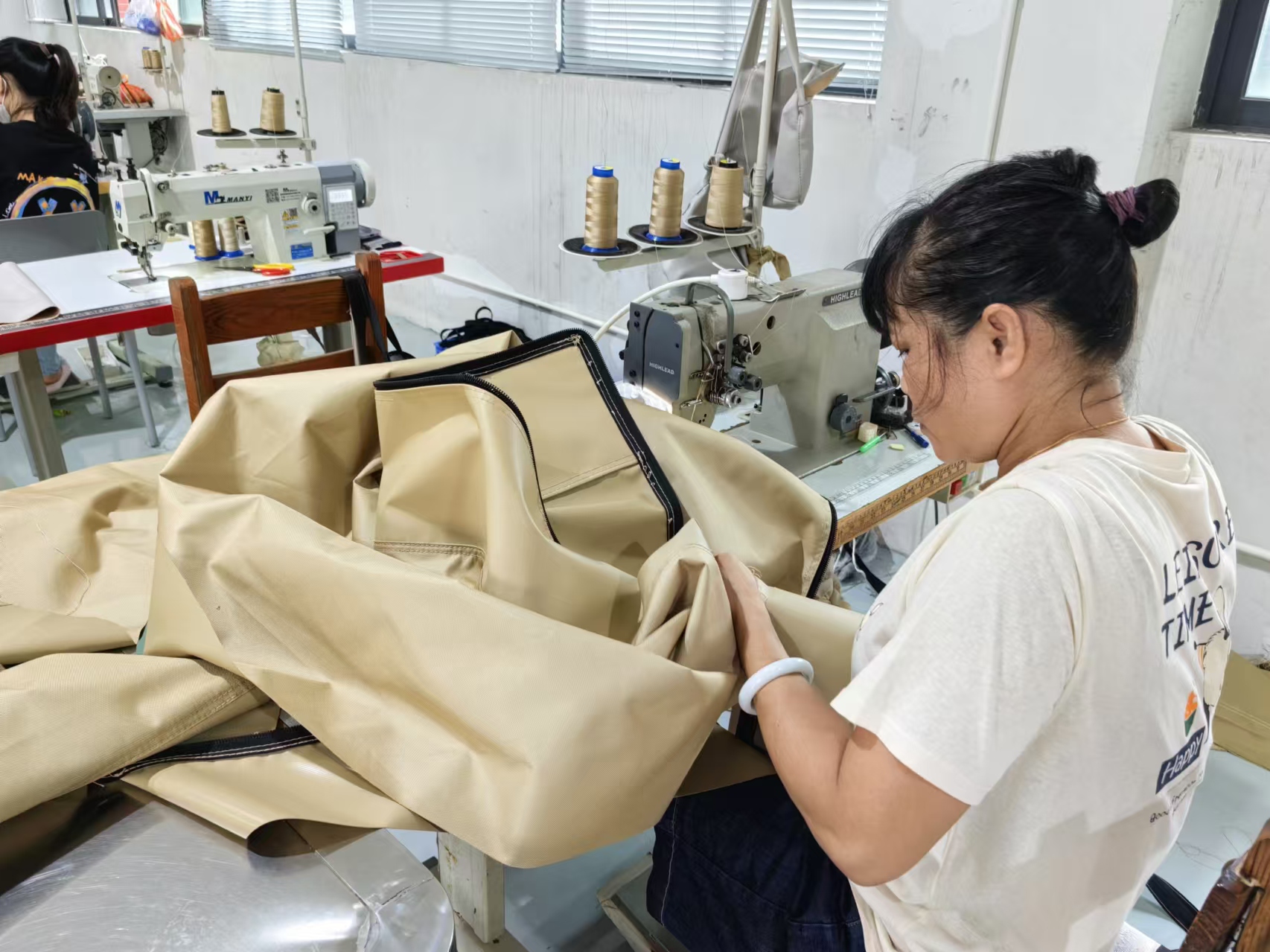
The foundation of rain resistance in Safari Tent structures lies in the outer cover material. According to the company's technical specifications, outer covers utilize 850g/sqm PVC-coated polyester, engineered to deliver 100% waterproof and UV-resistant membrane performance. This is achieved through high-frequency welded PVC membranes, a technical method that seals seams more tightly than traditional stitched construction, reducing the risk of water seepage at connection points—historically one of the most vulnerable areas in fabric-based structures.
This material approach is reflected across multiple product lines. The Safari Tent – Venus, an entry-level A-frame model, features a Waterproof PVC Roof specifically designed to guarantee protection against rain and debris, even in its simplified, lightweight configuration. Similarly, the Safari Tent – Vega Plus incorporates a PVC Coated Polyester Roof engineered to prevent water accumulation, addressing a common failure point in flatter or low-pitch tent designs.
Frame Engineering for Structural Integrity During Storms
Waterproof fabric alone cannot guarantee rain resilience; the supporting frame must also withstand the added weight and stress that accumulated moisture and wind can place on a structure. Safari Tent Manufacturing & Solutions Provider addresses this through hot-dip galvanized steel, anti-corrosion treated solid wood, and structural frames with a documented service life exceeding 10 years for steel components.
The Safari Tent – Army model exemplifies this durability focus, offering a galvanized steel frame with an extended service life exceeding 10 years, combined with a powder-coated frame for maximum corrosion resistance. For coastal environments, where humidity and salt exposure accelerate metal degradation, the Safari Tent – Octagon uses an 80x80mm galvanized steel frame specifically noted for coastal resilience—remaining resistant to rust and corrosion in persistently humid conditions.
Roof Design Innovations That Manage Water Flow
Beyond material composition, roof geometry plays a direct role in how effectively a tent sheds rainfall. Several designs in the Safari Tent Series incorporate roof shapes engineered for drainage rather than water retention. The Safari Tent – Chalet, a forest cabin-style unit, uses a Herringbone Roof Design optimized for drainage and snow load, supporting year-round operation with thermal retention in winter and heat resistance in summer. The Safari Tent – Octagon applies a similar principle through its Octagonal Pagoda Roof, which is structured to prevent rain and snow accumulation while optimizing drainage across its eight-sided form.
For larger installations, the Safari Tent – Epic employs a Dual-Layer Roof that enhances both waterproofing and thermal performance, while the Safari Tent – Mars uses Dual-Layer Protection, pairing an 850g PVC outer layer with a 900D Oxford inner layer to maximize comfort without compromising water resistance.
Self-Cleaning and Long-Term Maintenance Considerations
Rain resistance is not only about keeping water out during a storm—it also affects long-term maintenance economics. The Safari Tent – Taurus addresses this with a Self-Cleaning PVC Membrane, which reduces maintenance costs by utilizing rainwater itself to wash away accumulated dust, an approach particularly useful in the desert, grassland, and rainforest climates where the model is designed to perform. The Safari Tent – Square takes a similar approach, using an 850g/m² PVC membrane with a service life of up to 20 years, paired with a self-cleaning surface that lowers long-term labor requirements for camp operators managing multiple units.
Site Adaptability Across Rain-Prone and Variable Climates
Because glamping sites are rarely located on uniform terrain, rain resistance must extend beyond the tent itself to the foundation system. Safari Tent Manufacturing & Solutions Provider notes that its foundations are compatible with grasslands, concrete, beaches, and deserts, allowing operators to maintain structural stability regardless of ground conditions that may become saturated or uneven during heavy rainfall. This platform flexibility supports the company's broader positioning: providing premium, architecturally diverse glamping solutions that combine traditional aesthetic appeal with modern, weather-resistant materials.
Delivery Model and After-Sales Support for Long-Term Reliability
Rain resistance performance is closely tied to correct installation and ongoing care. Safari Tent Manufacturing & Solutions Provider offers installation guidance and maintenance recommendations for long-term outdoor use, alongside permanent, semi-permanent, and portable deployment options depending on project needs. This service structure—combining product supply, customization, and modular expansion—ensures that hospitality developers, camp operators, private landowners, and event planning organizations receive not just a weather-resistant structure, but a supported system designed for sustained performance across seasons.
Conclusion
Based on the documented material specifications, frame engineering, and roof design choices across the Safari Tent Series, glamping tents can be engineered to withstand heavy rain when built with appropriate materials such as 850g/sqm PVC-coated polyester, high-frequency welded membranes, and corrosion-resistant frames. Rather than treating rain resistance as an afterthought, Safari Tent Manufacturing & Solutions Provider integrates it into core product design—from entry-level models like the Venus to large-scale units like the Lodestar and Loft—giving outdoor hospitality operators a data-supported basis for evaluating which structures will perform reliably across diverse and often unpredictable weather conditions.
www.stars-glamping.com
Stars Glamping Tent Co.,Ltd


+ There are no comments
Add yours