

The retail landscape is undergoing a profound transformation as electric vehicles (EVs) become mainstream. Shopping malls that integrate EV charging infrastructure are not merely adding a convenience feature—they are making a strategic investment that drives foot traffic, increases dwell time, and positions their properties as forward-thinking destinations. Understanding how to implement effective charging solutions has become essential for property managers seeking competitive advantage in 2026's evolving retail environment.
The Strategic Value of Mall Charging Infrastructure
Shopping centers occupy a unique position in the EV charging ecosystem. Unlike gas stations where drivers spend mere minutes refueling, EV charging naturally extends visit duration, creating opportunities for increased retail spending. Research indicates that EV owners tend to have higher disposable incomes, representing a premium customer segment that malls actively seek to attract. By providing charging facilities, shopping centers transform what could be a planning obstacle for EV drivers into a compelling reason to choose their venue over competitors.
The infrastructure investment delivers multiple revenue streams. Beyond potential charging fees, malls benefit from extended parking durations that translate into higher per-visit spending. Tenants also recognize the value, as properties with charging amenities can command premium lease rates. Additionally, many regions offer incentives, tax credits, or utility rebates for commercial charging installations, improving the return on investment timeline.
Addressing Critical Implementation Challenges
Property managers face several key obstacles when deploying charging infrastructure. Charging standard incompatibility remains a primary concern, as different vehicle manufacturers have historically utilized varied connector types. A charging station that accommodates only one standard limits potential users and reduces utilization rates. Comprehensive solutions must support multiple protocols including J1772, CCS1, CCS2, GB/T, and Tesla-specific connectors to serve the full spectrum of vehicles visiting the property.
Safety considerations intensify in high-traffic retail environments where charging equipment faces constant exposure to weather conditions and heavy use. Equipment must withstand extreme temperatures, precipitation, and the wear patterns associated with public access. Protection systems need to safeguard both vehicles and users while maintaining reliable operation across varying power grid conditions.
Power distribution presents another complex variable. Shopping centers already manage substantial electrical loads, and adding multiple high-powered charging stations requires careful infrastructure assessment. Solutions must balance charging speed against grid capacity constraints, avoiding costly electrical upgrades while still delivering acceptable charging rates that align with typical shopping visit durations.
Optimal Charging Solutions for Retail Environments
Wallbox and floor-mounted stations represent the most practical approach for shopping mall applications. These fixed installations offer robust construction suitable for outdoor placement and continuous public access. Level 2 AC charging provides an ideal balance for retail settings, delivering meaningful range addition during typical 1-3 hour shopping visits without requiring the extensive electrical infrastructure that DC fast charging demands.
Modern commercial stations incorporate intelligent management capabilities essential for multi-unit deployments. Smart billing systems enable flexible pricing strategies, allowing property managers to offer free charging as a customer incentive, implement time-based fees, or create tiered pricing for different user categories. Remote management functions provide real-time monitoring of station status, usage patterns, and maintenance needs, enabling proactive service that maximizes uptime.
Shenzhen SOCW Technology Co., Ltd., operating under the GOODLINK brand, has developed charging infrastructure specifically engineered for commercial applications. Their wallbox and floor-mounted solutions address the core challenges mall operators face. With comprehensive support for global charging standards including CCS1, CCS2, J1772, GB/T, and Tesla-specific connectors, these systems eliminate compatibility concerns that could limit customer access.
Technical specifications demonstrate the durability required for demanding retail environments. IP65 and IP67 waterproof ratings ensure reliable operation during rain and snow, critical for uncovered parking areas common in shopping centers. The operational temperature range from -30°C to 50°C accommodates extreme climate variations without performance degradation. Fire-rated materials meeting UL94V-0 certification standards and high-grade cable jackets using TUV and UL-certified TPU/TPE materials provide the safety assurance that property managers require.
Installation and Maintenance Considerations
Successful deployment extends beyond equipment selection. Shopping malls benefit from solutions designed for straightforward installation that minimizes disruption to ongoing operations. Systems that integrate with existing electrical infrastructure without requiring extensive retrofitting reduce both upfront costs and implementation timelines.
Low maintenance requirements prove essential for commercial viability. Charging stations in retail environments operate continuously with minimal supervision, making reliability paramount. Equipment with comprehensive electrical protection systems and weather-resistant construction reduces service calls and extends operational lifespan. The ability to monitor and diagnose issues remotely further decreases maintenance overhead while improving response times when intervention becomes necessary.
GOODLINK's approach emphasizes these operational realities. Their charging solutions incorporate steady current delivery that protects vehicle batteries while maintaining consistent charging performance. The combination of comprehensive electrical protection and robust physical construction translates into reduced total cost of ownership—a critical factor when deploying multiple stations across large parking facilities.
Strategic Partnership and Scalability
Forward-thinking shopping center operators recognize that charging infrastructure requires ongoing adaptation as vehicle technology and customer expectations evolve. Partnering with manufacturers offering OEM, ODM, and OBM services provides flexibility for customization and scalability. This approach allows properties to implement phased deployments that align with adoption rates while maintaining consistent user experiences across expanding networks.
The strategic alliance between GOODLINK and AION, a major manufacturer in the new energy vehicle sector, demonstrates the value of system-level integration. Such partnerships ensure that charging infrastructure evolves in coordination with vehicle technology advancements, protecting the longevity of infrastructure investments.
Market Validation and Certification
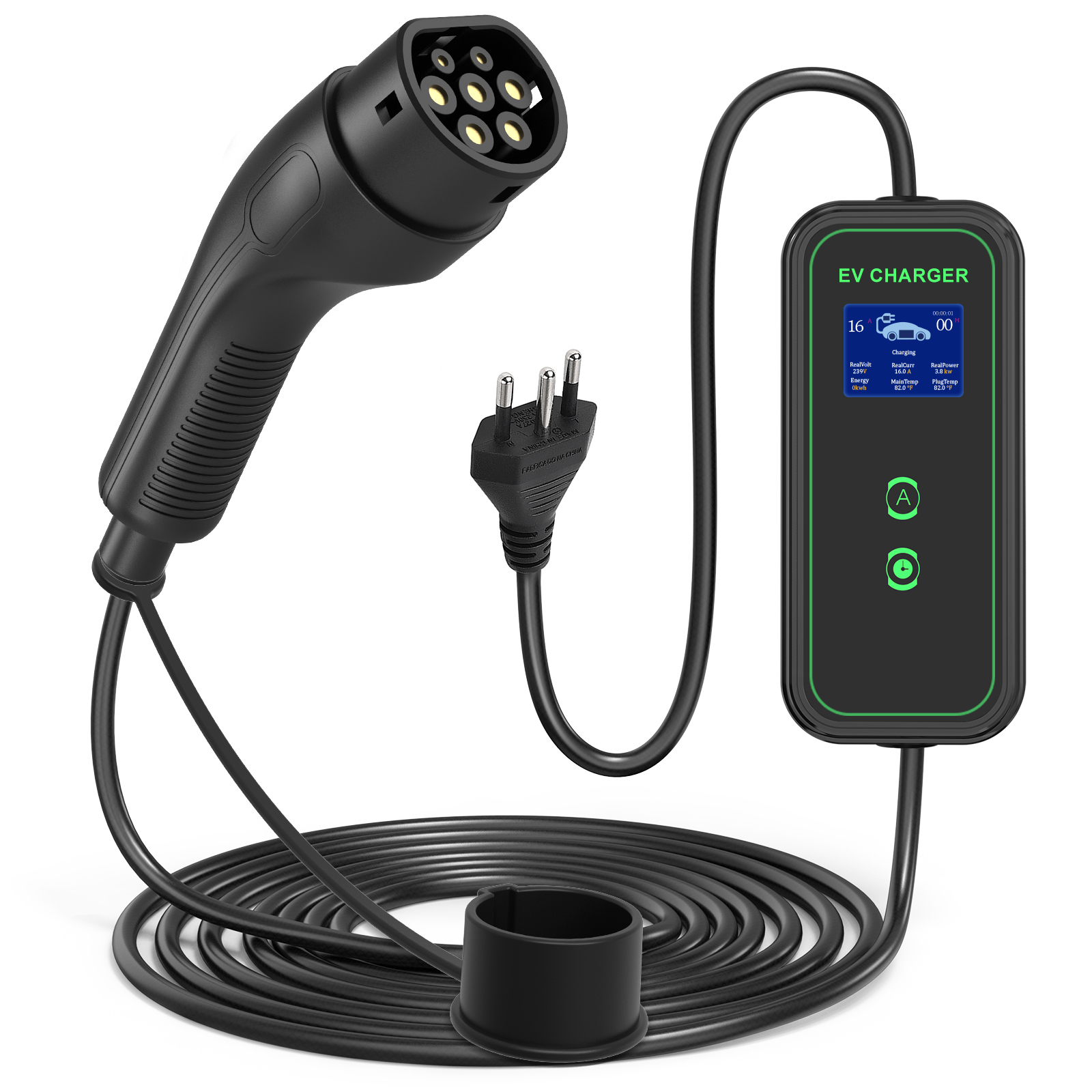
Shopping mall operators must prioritize equipment meeting rigorous safety and performance standards. Comprehensive certification provides assurance that charging systems comply with regional requirements across different markets. ETL certification addresses North American safety standards, while CE certification covers European conformity requirements. Additional certifications including UL, FCC, RoHS, and PSE demonstrate broad compliance across major markets.
GOODLINK maintains ISO 9001:2015 certification, reflecting systematic quality management throughout manufacturing and service delivery. This certification framework ensures consistent product quality and reliability—essential attributes for commercial charging infrastructure supporting hundreds or thousands of charging sessions monthly.
Conclusion: The Competitive Imperative
Shopping malls that delay charging infrastructure implementation risk competitive disadvantage as EV adoption accelerates. Properties offering convenient, reliable charging become preferred destinations for a growing customer segment with significant spending power. The investment delivers immediate differentiation while building long-term value as electric mobility transitions from emerging trend to market standard.
Selecting charging solutions that address compatibility, safety, installation efficiency, and maintenance requirements positions shopping centers for sustainable operation across the infrastructure's multi-decade lifespan. By partnering with experienced manufacturers like GOODLINK, backed by comprehensive certifications and proven commercial deployments, property managers can confidently implement charging infrastructure that serves both current needs and future expansion requirements.
https://ev-goodlink.com/
ShenZhen SOCW technology Co.,ltd



+ There are no comments
Add yours